
Same-day & Next-day Delivery

Quality Guaranteed

Unlock Your Welcome Offers: FREE Delivery | Up to 80% OFF | Free 30-day JoyPlus trial
Download the APP
Fancy dim sum, kimbap, biryani or Korean fried chicken without a long shopping list? With frozen world cuisine, you can easily enjoy international meals and snacks at home. However, products can vary considerably in portion size, preparation, ingredients and storage instructions.
An appealing product photo tells you little about what you will actually receive. So pay particular attention to the following pitfalls:
Before buying, check that you have the right equipment. Frozen dim sum, such as dumplings and bao buns, is usually steamed. According to the product information, delico Cha Sieuw Bao 270g must be steamed from frozen for 8 to 10 minutes. SAN QUAN Custard Bun 360g has a recommended steaming time of 10 to 12 minutes.
Preparation is different for a microwave meal. According to the description, Rengi Kimbap products are prepared in the microwave. A product for the air fryer or oven, such as Rengi Korean Fried Chicken, is better suited to a family that wants to heat several portions at once.
Always follow the instructions on the packaging. “Ready in a few minutes” does not mean that the product can be eaten raw. The delico Dim Sum Assortment, for example, explicitly states that the dough is raw and must be heated thoroughly.
Decide whether you are looking for a snack, lunch or complete meal. A 100-gram portion, such as Bamboo Cuisine Onigiri Salmon Mayo, is practical for eating on the go or as a light meal. A 450-gram pack, such as Freasy Tandoori Chicken Biryani, is more suitable as a main course.
For drinks parties or sharing occasions, Asian frozen products containing multiple pieces are convenient. The 360-gram delico Dim Sum Assortment contains four varieties: prawn dumplings, beef siu mai, pork siu mai and xiao long bao. When looking at multipacks, check both the number of packs and the total weight. This helps you avoid a seemingly attractive price per pack concealing a less favourable price per portion.
Check the label if you have food allergies or dietary preferences. Many frozen dim sum products contain wheat, soya and sesame. According to the product information, the delico Dim Sum Assortment also contains crustaceans and may contain peanuts. Cha Sieuw Bao lists wheat, soya and sesame as allergens.
It is also important to read the ingredients list for Korean frozen products. Kimbap may contain soya, wheat and sesame, among other ingredients. Tteokbokki often contains rice cakes in a sauce with chilli, soya or wheat. Rengi Kimbap Bibimbap Gochujang contains vegetables, tofu, soya and sesame, among other ingredients.
Also check the nutritional values per 100 grams. These make products easier to compare, particularly in terms of salt, sugar, fat, carbohydrates and protein. Nutritional information does not tell you everything about your overall meal, but it does help you compare different frozen meals.
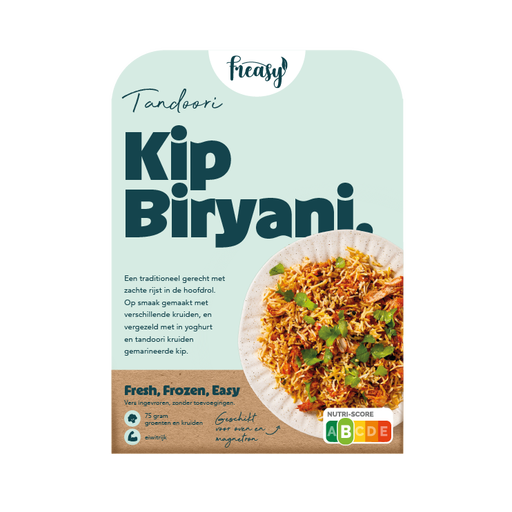
Why it suits this profile: A complete rice meal is an easy introduction to Indian cuisine, without having to buy several separate ingredients.
The pack states the weight of 450 grams, preparation information and allergens. This means you can check the contents and how to use it in advance, rather than relying solely on the photo.
Contains basmati rice, chicken thigh and yoghurt; the product information states that it contains 61% basmati rice and 12% chicken thigh, among other ingredients.
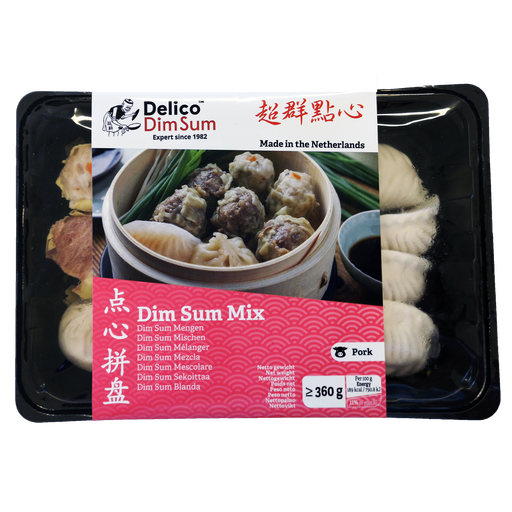
Why it suits this profile: Anyone wanting to serve a selection of Cantonese dim sum gets four varieties in one pack, making it easy to create a varied platter.
The product description gives the filling percentages for each variety: 36% prawn, 48% beef, 55% pork and 30% pork in the soup dumpling.
Four varieties in one pack; individually frozen and designed to be steamed straight from the freezer.
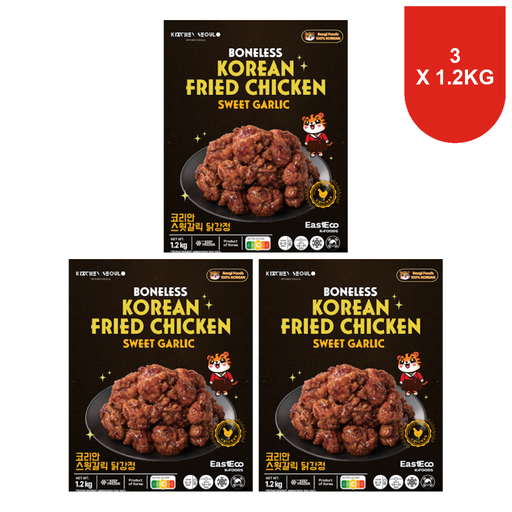
Why it suits this profile: A family or enthusiast who regularly serves Korean fried chicken gets several meals from one family pack.
The preparation method clearly specifies the oven or air fryer. The product information also states that it contains 57% chicken and lists wheat and soya as key allergens.
1.2 kg family pack; already coated in sweet garlic sauce and designed to be reheated.
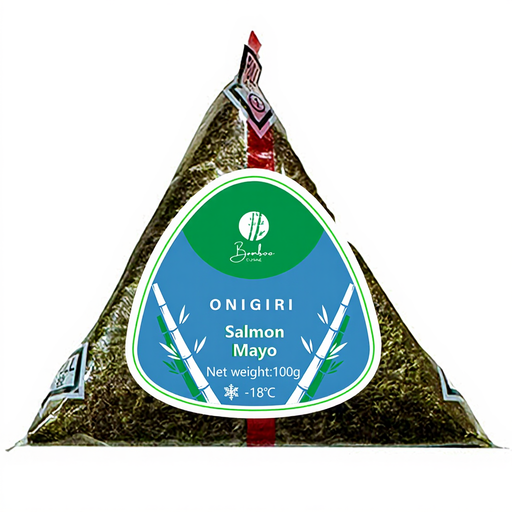
Why it suits this profile: A compact portion is ideal for a quick lunch, snack or occasion when you do not want to prepare a full meal.
The 100-gram portion size is clearly stated. Before buying, however, check the current packaging, allergen information and preparation method.
Japanese-style rice with toasted seaweed, salmon and mayonnaise; suitable as a light meal or snack.
With a few products, you can easily put together a varied meal:
Store frozen products at the temperature stated on the packaging, usually -18 °C or below. According to the product information, a defrosted product should generally be kept chilled and used within the specified period. Do not refreeze it. Check the best-before date and the latest instructions on the label every time you buy.
We have put together a complete, up-to-date list of products that fully meet these strict selection criteria and the applicable European safety regulations.
That depends on your appliance and portion size. According to the product description, kimbap can be prepared in the microwave. Biryani, risotto and pasta are intended as complete meals. Dim sum, onigiri and bao buns are more often suited to lunch, a snack or a sharing occasion.
Keep them unopened at the temperature stated on the packaging and pay attention to the stated best-before date. After defrosting, follow the instructions, store the product in the fridge and consume it within the specified period. Refreezing is not recommended for the products mentioned.
Not automatically. Wheat, soya, sesame, milk, egg and crustaceans are commonly found in Asian frozen products. Always read the current ingredients list and allergen information on the packaging. If in doubt, it is best not to use the product.
