
Vandaag of morgen in huis

Kwaliteit gegarandeerd

Welkomstaanbiedingen ontgrendelen: GRATIS bezorging | Tot 80% korting | Gratis 30 dagen JoyPlus-proefperiode
Download de app
A bag of frozen vegetables or frozen fruit might seem simple to pick. Yet products vary widely in their composition, portion size, preparation method and allergen information. If you only look at the price or an appealing packet, you could end up with a product that doesn’t suit your household or sits unused in the freezer.
This buying guide helps you compare frozen vegetables and frozen fruit with purpose. You’ll learn what to look out for, which common pitfalls to avoid, and which products suit different usage scenarios.
A large bag isn’t automatically better value. Check whether you’ll actually use frozen vegetables 800g on a regular basis. A product with sauce, butter or seasoning can also have a different composition to a bag containing only vegetables.
With frozen fruit, the difference between 250g, 500g and 750g matters. For the occasional smoothie, a smaller pack can help limit waste. Larger households, on the other hand, benefit from a bigger bag if the product is used often.
Terms like “freshly harvested”, “vitamin retention” or “extra healthy” sound appealing, but they don’t always tell you exactly what you’re buying. According to a brand’s own research, a manufacturer might claim that quick freezing helps preserve nutrients. Treat this as a product claim from the brand, not as a general guarantee.
So, look particularly at:
Leafy greens, florets, fruit pieces and mixed bags react differently to heating. A vegetable mix with sauce is convenient as a side dish, but less suitable for a dry stir-fry. Frozen fruit is practical for smoothies, but can turn soft in a fruit salad once defrosted.
For maximum control over your meal, products with one main ingredient are straightforward. G'woon Broccoli Florets 800g consists of broccoli according to the product information. The bag of green beans also contains 100% green beans. You can season and combine such products yourself.
A mixed variety, on the other hand, can save you time. g'woon Italian Vegetables - 450g contains courgette, green beans, broccoli, celery, onion, carrot and red pepper, along with a herby cream component. Always check the allergen information and preparation instructions for products like these.
Individually frozen vegetables are handy when you want to measure out a quantity per meal. Cubes or portions, such as with spinach à la crème, are practical for pasta, mash or a sauce. Do note the additions: G'woon Just Chopped Spinach A La Crème Fine Portions 800g contains spinach and cream sauce, with milk and wheat listed as allergens.
Prepare vegetables according to the label. For the Italian vegetable mix, for example, it states that you heat the vegetables in a wok or frying pan without extra oil and stir-fry for about 4 to 5 minutes after the moisture has evaporated.
Frozen products must remain frozen during storage and transport. The product information for this selection mentions storage at -18 °C or colder or according to the temperature on the packaging. Place the bags in your freezer as soon as possible after receiving them.
Do not defrost a product and then refreeze it. Store a defrosted product in the fridge and follow the time limit on the packaging. On receipt, also check that the packaging is intact and that the contents haven’t frozen into one solid block.
For smoothies, loose berries, strawberries and pineapple pieces are easy to portion out. g'woon Strawberries - 750g contains only strawberries according to the product information. g'woon Blueberries - 750g consists of blueberries. For a mixed flavour, there’s G'Woon Blueberries & Raspberries - 250 g, with a split of 50% blueberries and 50% raspberries.
With fruit, especially check:
Fruit with a single ingredient provides a clear base for yoghurt, porridge or a smoothie. g'woon Pineapple Pieces - 250g consists of pineapple chunks and can also be used in hot dishes.
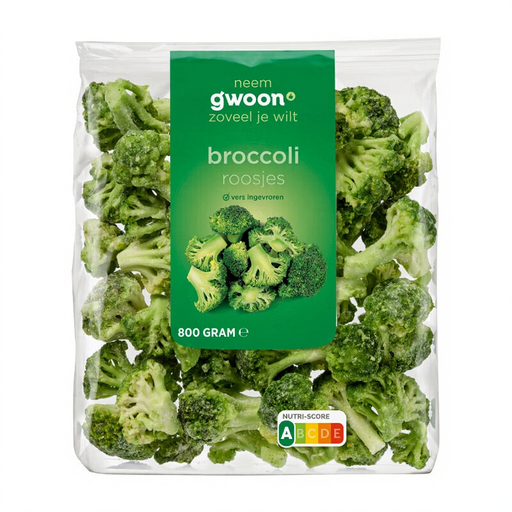
Why it fits this profile: A straightforward base for stir-fries, pasta and side dishes. The 800g pack is suitable for several meals.
The ingredients list states only broccoli. So you’re not paying for sauce or seasoning you might not want to use.
800g, loose broccoli florets and, according to the product information, none of the 14 major EU allergens.
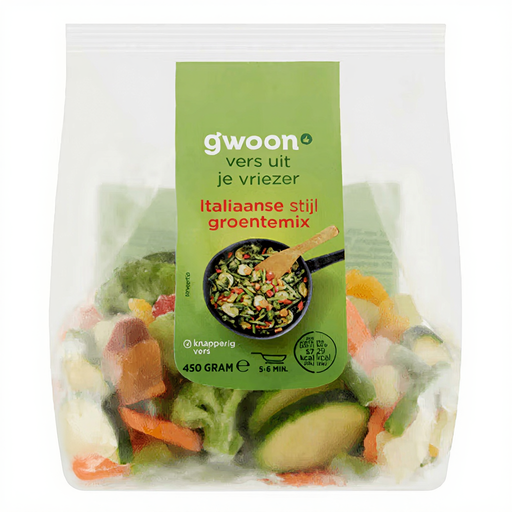
Why it fits this profile: Ideal for anyone who wants a pre-made vegetable mix with a herby cream component, without having to chop multiple vegetables themselves.
The composition and allergens are clearly stated. So you know that celery and the herby cream are part of the product.
450g, multiple vegetable types and a stated preparation time of about 4 to 5 minutes in the pan.
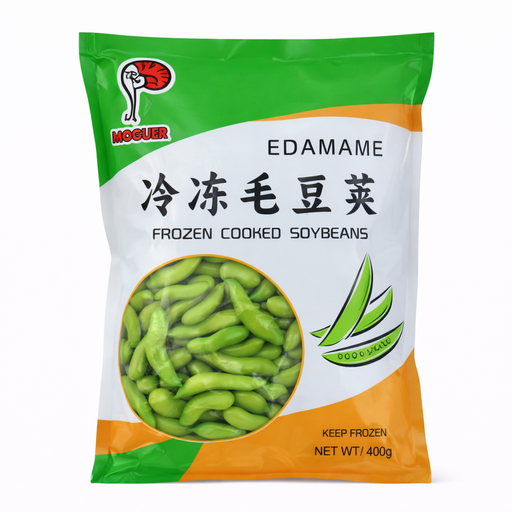
Why it fits this profile: Handy for households that often use edamame in salads, noodle dishes, poke bowls or as a snack.
The edamame is already cooked, so you don’t need a long preparation time. Do bear in mind soya as a listed allergen.
1kg net weight, pre-cooked product and suitable for both hot and cold dishes.
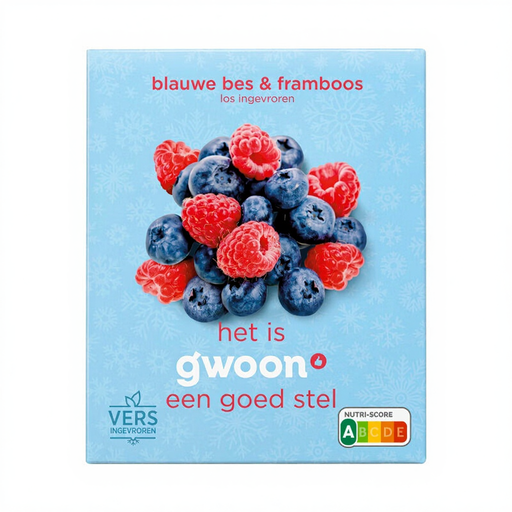
Why it fits this profile: A small mixed pack for anyone who wants to use berries in smoothies, yoghurt or desserts without opening multiple bags.
The composition is simple: 50% blueberries and 50% raspberries, with no extra ingredients mentioned.
250g, two types of berries and, according to the product information, none of the 14 major EU allergens.
We’ve put together a full, up-to-date list of products that fully meet these strict selection criteria and comply with current European safety regulations.
The term “healthy frozen products” doesn’t mean much on its own. The composition determines what’s actually in the bag. Choose vegetables or fruit without added sugar, sauce or lots of salt if you want to build your own meal. Products with cream sauce or butter can be convenient, but they don’t suit every dietary preference.
Store bags flat or upright so they take up less space. Seal an opened bag well to limit quality loss from freezer air. You might want to note the opening date and use the bags that have been in the freezer longest first.
Yes, especially when you want to store portions and reduce food waste. Do check the ingredients and preparation method. A product with sauce is not the same as a bag of loose vegetables.
You usually can, but always follow the instructions on the packaging. Frozen fruit makes a smoothie thicker and colder. You may want to let larger pieces soften slightly before putting them in a blender.
Store them at the stated temperature, typically -18 °C or colder, and follow the shelf-life information on the packaging. Once defrosted, you must keep the product chilled and not refreeze it.
