
Same-day & Next-day Delivery

Quality Guaranteed

Unlock Your Welcome Offers: FREE Delivery | Up to 80% OFF | Free 30-day JoyPlus trial
Download the APP
Frozen vegetables and fruit are handy for busy weekdays, smoothies, snacks and dishes with Asian flavours. However, not every pack will suit the way you use it. A large pack may seem like good value, but could end up sitting unused in your freezer. It’s also easy to overlook cooking instructions, allergen information and the correct storage temperature.
Use this guide to compare product types, pack sizes, convenience and storage before ordering frozen food online.
An 800 g or 1 kg bag is practical for a household that regularly uses the same vegetable. If you only use it occasionally, though, a smaller pack may be a better choice. This is especially true for exotic vegetables, tropical fruit or ingredients with a distinctive flavour, such as durian.
Think about how you’ll use it:
Some products are already cooked, while others need to be heated thoroughly. According to the product information, taro should be cooked straight from frozen and must not be eaten raw. Cassava also needs cooking. A product labelled “cooked”, on the other hand, may only need to be heated thoroughly.
Always check:
Terms such as “premium”, “authentic” or “rich source” don’t tell you much about the contents on their own. Check the ingredients first. A single-ingredient product, such as 100% jackfruit, cassava or broad beans, is easy to assess. For mixed or seasoned products, check the salt, added sugars and allergens too.
Claims about flavour, freshness or nutrient retention, for example, may come from brand information. Don’t treat them as a guarantee. Check the current packaging and nutrition table when you order.
Compare the quantity with your eating habits. A 250 g pack of frozen fruit is enough for a few smoothies or desserts. For a family, 500 g or 1 kg may be more convenient. Also consider the form:
The ingredients list should suit your diet and recipe. Edamame is soya, so it is one of the major allergens. Soya is explicitly listed for Mooijer Soybeans Edamame Cooked. Other selected products, such as jackfruit, cassava and passion fruit pulp, are described in the product information as containing a single ingredient.
Look out for the difference between:
Frozen products generally need to stay frozen until use. Several product listings specify storage at -18 °C or below. Keep the pack tightly sealed and always follow the label. Once defrosted, store the product in the fridge and use it within the specified period. Do not refreeze it.
An uninterrupted cold chain is important during delivery. Product information may state that storage, packaging and transport are temperature-controlled, but check for yourself on arrival that the product is still frozen and the packaging doesn’t appear damaged.
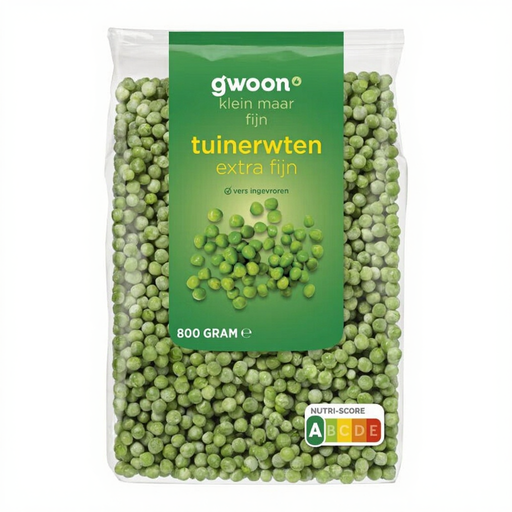
Why it suits this profile: A familiar staple vegetable for mash, soup, rice dishes and quick evening meals.
The ingredients list contains only broad beans. That makes it clear what you’re buying, and means you can add your own herbs or sauce.
800 g, 0 g of added sugar according to the product information, and none of the 14 major EU allergens listed.
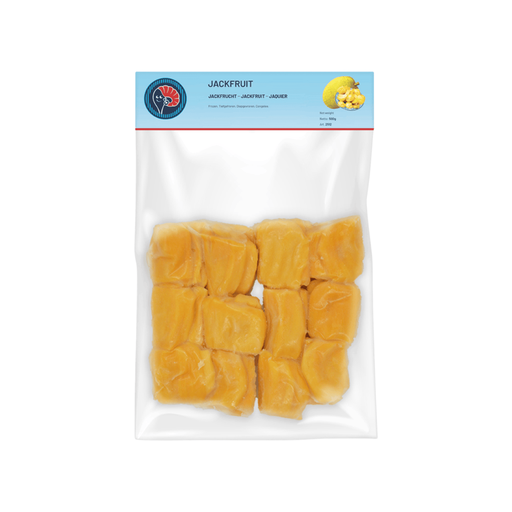
Why it suits this profile: A good choice if you’re looking for tropical fruit for desserts, smoothies or recipes that feature jackfruit.
The product information lists 100% jackfruit in a 500 g pack. So you’re not paying for a sauce or a prepared mix.
100% jackfruit from Vietnam, with 105 kcal per 100 g according to the nutritional information provided.
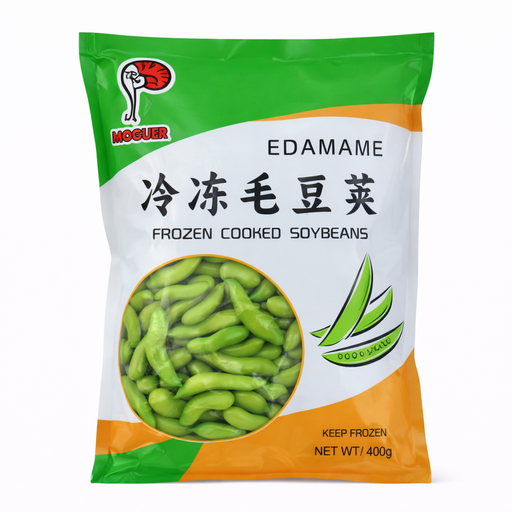
Why it suits this profile: A generous pack for regular use in salads, bowls, soups or snacks.
The product is cooked, so you don’t need to prepare raw edamame. Do note that the ingredients include soya and salt.
1 kg per pack, cooked and suitable as a snack or addition to meals. Soya is clearly identified as an allergen.
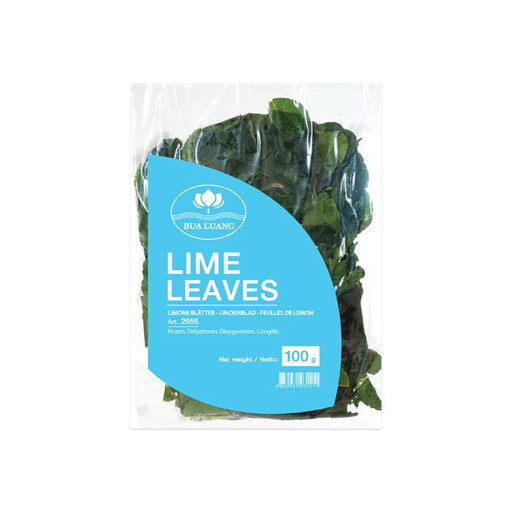
Why it suits this profile: For curries, soups and salads where you want a citrusy Thai flavour.
A small pack means you don’t have to buy a large one for just a few recipes. Use the product from frozen, following the label.
100 g, suitable for Thai soups, curries and salads; according to the product information, none of the 14 major EU allergens are listed.
We’ve put together a complete, up-to-date list of products that meet these strict selection criteria and the applicable European safety regulations.
It depends on the product and how it’s prepared. Frozen vegetables are convenient, keep for a long time and are often easy to portion. Focus on comparing the ingredients, nutritional values and cooking instructions. Frozen spinach, peas and kale are handy for regular use.
Follow the best-before date on the pack and store the product at the stated temperature, often -18 °C or below. Once defrosted, keep it in the fridge and use it within the specified period. According to the product information provided, defrosted products must not be refrozen.
You can with products intended for this purpose, such as berries or passion fruit pulp. Check the instructions on the pack first. Taro, cassava and other products that specifically need to be cooked are not suitable for blending raw into a smoothie.
