
Livraison le jour même et le lendemain

Qualité garantie

Débloquez vos offres de bienvenue: Livraison GRATUITE | Jusqu'à -80 % | 30 jours d'essai gratuits à JoyPlus
Téléchargez l'application
Buying frozen vegetables seems simple, but the range varies widely in packaging, ingredients, portion size and cooking method. A bag of broccoli is not the same as a seasoned veg mix, and bamboo shoots in tins technically aren’t frozen vegetables. If you only look at the brand name or an attractive pack, you could pick a product that doesn’t suit the meal you planned.
Pay special attention to these common pitfalls when comparing:
If you choose frozen spinach, frozen broccoli, cauliflower or peas, check whether the product consists of a single vegetable. With a single-ingredient product, comparison is more straightforward. G'woon Broccoli Florets 800 g, for example, lists broccoli as the ingredient and declares none of the 14 major EU allergens.
It’s different with composite products. Iglo Vegetable Idea Farm Mix contains carrot, cauliflower, broccoli and peas, but also butter, salt, sugar and spices. The product therefore contains milk. That can be relevant for people with an allergy, but also for anyone who wants to add their own oil, herbs or sauce.
With edamame, pay extra attention to soya as an allergen. The plain version and the cooked version also differ in composition: Mooijer Soybeans Edamame Cooked, according to the product information, contains soya and salt.
Compare the net contents:
Also check the format. Free-flow frozen veg is usually easy to portion. Blocks, as with some spinach products, are handy when you use fixed portions. Vegetables that are already seasoned or come with a sauce save on prep time, but give you less control over flavour and ingredients.
Frozen vegetables must stay frozen until use. Follow the temperature on the packaging and prevent unnecessary thawing. After defrosting, follow the stated storage period and do not refreeze.
For products that are already pre-cooked, such as some bamboo shoots, the rule still applies: rinse and heat according to the instructions. Nature’s Best Harvest NBH Pre-Cooked Bamboo Strips, for example, state that you should rinse the product, not eat it raw and heat thoroughly. For wok dishes, curries and soup this is a practical choice, but it isn’t a frozen product: the storage method is different.
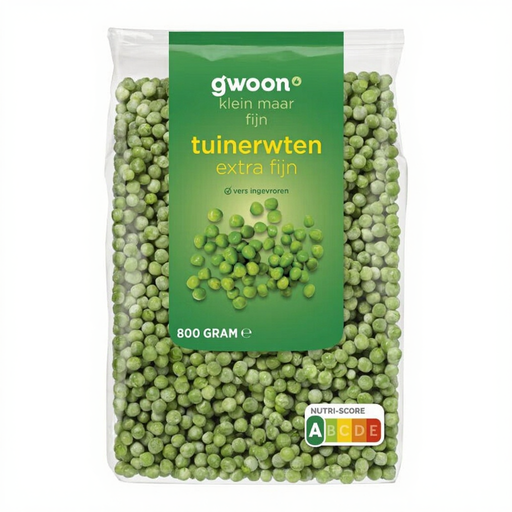
Why this suits the profile: A single-vegetable product in a generous pack for everyday meals, mash, soup or rice dishes.
The ingredients list states only garden peas. You’re not paying for a sauce or an extensive spice mix.
800 g contents, no added sugar according to the product information, and 5.5 g fibre per 100 g.
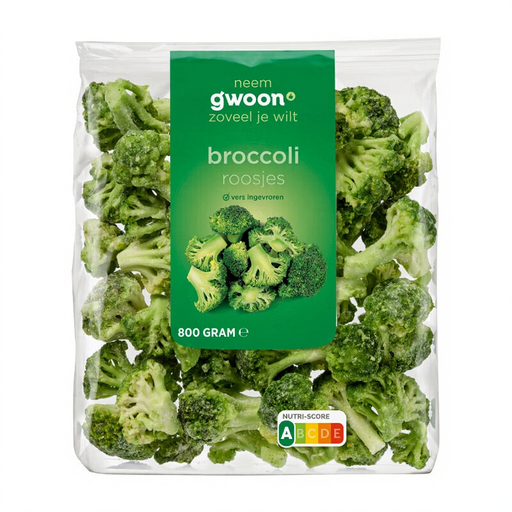
Why this suits the profile: Ideal for anyone who wants a neutral base for pasta, oven bakes, curry or a meal with potatoes.
The product information lists broccoli as the ingredient, with no sauce or seasoning. You decide the preparation and flavour yourself.
800 g broccoli, easy to portion and, according to the listed specifications, free from the 14 major EU allergens.
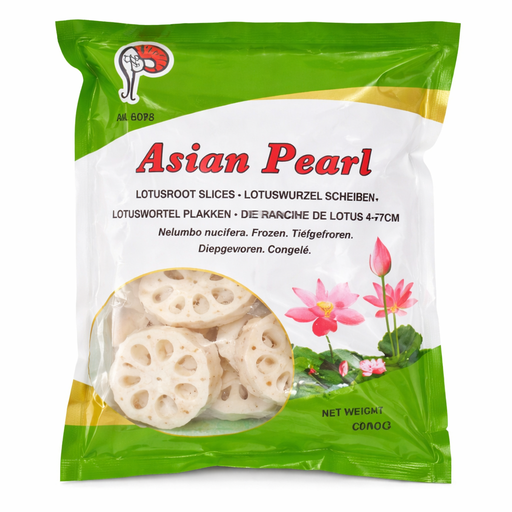
Why this suits the profile: For fans of Asian dishes, hot pot, ramen, stir-fries and crisp side dishes.
The packaging states a slice diameter of 4–7 cm. That helps you judge whether the shape suits your recipe.
500 g sliced lotus root and, according to the product information, none of the 14 major EU allergens.
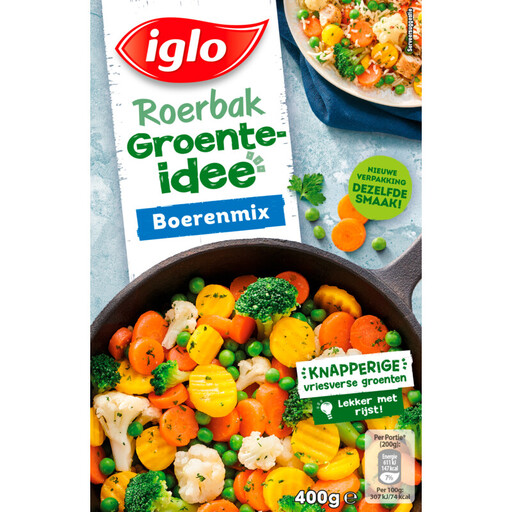
Why this suits the profile: A portionable mix for rice, noodles, potatoes or a quick meal on busy days.
The packaging states two portions and the vegetable ratios. You know what you’re buying and roughly how much you need.
400 g free-flow vegetables; according to the ingredients list, 93% consists of vegetables and the mix contains milk.
We’ve compiled a complete, up-to-date list of products that fully meet these strict selection criteria and comply with current European safety regulations.
For a stir-fry, broccoli, green beans, edamame and a neutral veg mix work well. Add frozen vegetables when the pan is hot, so they don’t release unnecessary moisture.
For soup or pasta, frozen spinach, cauliflower and peas are practical. Spinach in blocks is easy to portion. With à la crème varieties, look out for milk, wheat, salt and fats if you want to control the sauce yourself.
If you want to buy Asian vegetables, alongside frozen products you can opt for bamboo shoots, lotus root or baby pak choi in shelf-stable packaging. Check whether the product is packed in water, brine or another liquid. Rinse tinned vegetables if desired and heat them as per the label.
That varies by product and storage time. According to their own product information, some brands say vegetables are frozen quickly after harvesting to help retain flavour, texture or nutrients. This isn’t a blanket guarantee for every product. So check the ingredients, nutrition table and preparation method.
Always follow the date and temperature on the packaging. Store frozen veg closed and as cold as stated. After defrosting, keep the product refrigerated, use within the stated period and do not refreeze.
Not always. Compare the price per 100 g and factor in trimming waste with fresh vegetables. A bag of frozen broccoli or peas can be practical because you only use the amount you need. With a seasoned veg mix, you may also be paying for sauce or flavourings.
