
Same-day & Next-day Delivery

Quality Guaranteed

Unlock Your Welcome Offers: FREE Delivery | Up to 80% OFF | Free 30-day JoyPlus trial
Download the APP
Fancy dim sum without spending an evening in the kitchen? With frozen prawn dumplings, you can quickly serve up a snack, nibbles or a light meal. Yet many packs look very similar. The differences often come down to the amount of prawns, the cooking method and the ingredients in the filling.
As a Joybuy Product Recommendation Officer, I filter product information down to practical details. This makes it easier to see which frozen prawn dumplings suit your household, budget and preferred cooking method.
A product may be called “shrimp dumplings”, ha kao or har gow, even though the proportion of prawns varies considerably. So check the ingredients list and the percentage stated. According to the product information, the filling of AJINOMOTO Gyoza Prawn contains 27% peeled prawns. FRESHASIA Shrimp Ha Kao 500g states that it contains 37.13% prawns.
Also check the other ingredients in the filling. Some products contain fish, pork fat, vegetables or breadcrumbs. That is not automatically a disadvantage, but it does affect the flavour and texture.
Terms such as “crystal wrapper”, “restaurant-style” and “authentic dim sum” sound appealing, but they are not objective quality standards. According to FRESHASIA’s product description, the translucent exterior refers to the traditional appearance of Cantonese dim sum. In practice, it is better to look at the type of dough, the filling weight and the recommended cooking method.
A translucent dough is usually made with wheat starch and tapioca starch. This differs from the wheat dough used for prawn gyoza. Gyoza generally has a firmer, opaque wrapper and is often pan-fried. Ha kao is usually steamed.
A 1 kg pack can be convenient for a family or a dim sum buffet, but less practical if you live alone. Check whether the dumplings are frozen separately and whether you can reseal the pack properly after opening. Also pay attention to the cold chain during delivery: frozen products should arrive frozen and must be returned to the freezer immediately afterwards.
Do not compare net weight alone. Look at:
For example, Freshasia Shrimp Dumpling 880g states that the filling contains 45% prawns and makes up 55% of the product. The pack also contains ingredients such as pork fat, bamboo shoots and sesame oil. This gives it a different profile from dumplings made mainly with prawns and vegetables.
The cooking method determines which product is right for your kitchen. To steam prawn dumplings, you need a steamer basket or steamer pan. Several ha kao products specify steaming from frozen for approximately 8 to 10 minutes.
Gyoza is more versatile if you like a crispy base. According to the product information, KHY Shrimp Gyoza can be pan-fried, deep-fried or steamed. The instructions include pan-frying for around 2 minutes, adding water and continuing to cook with the pan covered. Always follow the instructions on the current packaging.
Prawns are among the allergens that must be declared. Many Asian dumplings also contain wheat, soya and sesame. Some varieties contain egg or fish as well. Read the ingredients list carefully, especially when cooking for guests.
Store the products at -18 °C or below, according to the packaging. Thawed dumplings must not be refrozen. Usually, take them straight from the freezer and check that the filling is fully cooked and piping hot before serving.
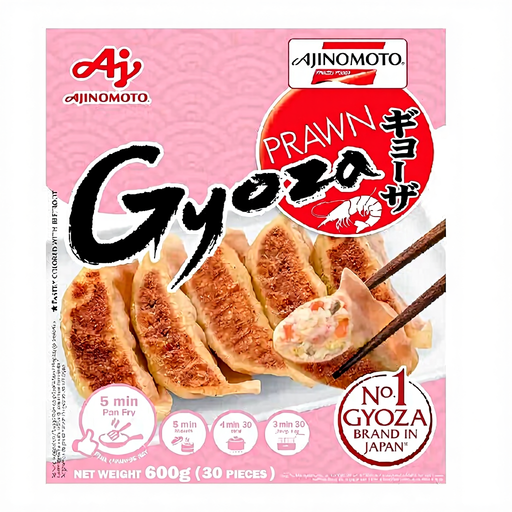
Why it suits this profile: A pack of 30 pieces is easy to manage for a first purchase, a quick meal or a snack to share with several people.
The percentage of prawns is clearly stated: 27% peeled prawns. This allows you to compare the contents based on the product information, rather than just the front of the packaging.
30 pieces, a total weight of 600 g, and suitable as a quick meal or snack. The ingredients list also mentions vegetables such as cabbage and carrot.
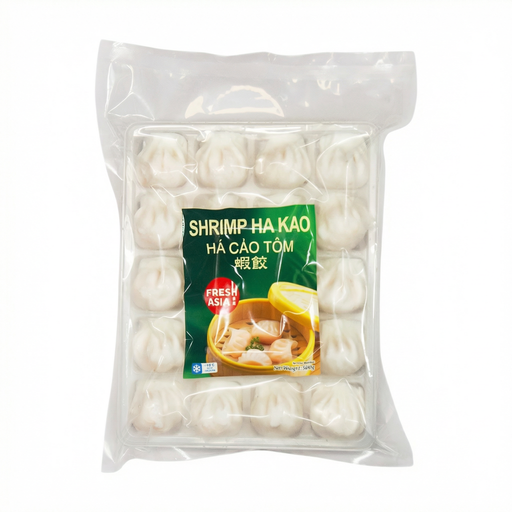
Why it suits this profile: Ideal for fans of steamed dim sum who are specifically looking for ha kao with a translucent dough and prawn filling.
The product information states that it contains 37.13% prawns and gives a specific steaming time of 8–10 minutes from frozen.
500 g pack, translucent ha kao wrapper and serving suggestions with soya sauce, chilli oil or black rice vinegar.
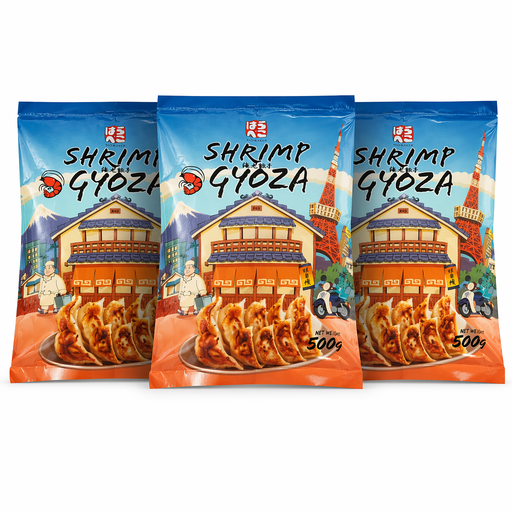
Why it suits this profile: A 1.5 kg supply is ideal for families, regular consumers of Asian dumplings and anyone who wants to switch between several cooking methods.
The cooking instructions are clear for pan-frying, deep-frying and steaming. This means you are not limited to a single cooking method.
3 packs of 500 g, cook without thawing, and a nutritional value of 169 kcal per 100 g according to the product information.
We have put together a complete, up-to-date list of products that fully meet these strict selection criteria and the applicable European safety regulations.
Usually, place the dumplings frozen in the steamer basket. Use perforated baking paper or a thin layer of oil to reduce sticking. Leave space between the pieces, as the dough expands slightly during steaming.
For ha kao, the cooking time is often around 8–10 minutes. Some crystal prawn dumplings, such as Ben’s variety, specify steaming for approximately 7 minutes at 96 °C. A microwave option can be convenient, but the texture of the dough may differ from that achieved by steaming. Always follow the cooking instructions on your pack.
Ha kao or har gow is a steamed dim sum with a usually translucent dough. Prawn gyoza generally has a wheat dough and can be pan-fried, steamed or deep-fried. The exact ingredients vary by brand, so check the ingredients list.
Yes, many products are designed to be cooked without thawing. Place them straight into a preheated steamer basket and follow the recommended cooking time. Afterwards, check that the filling is fully cooked and piping hot.
Store them at -18 °C or below and follow the best-before date on the packaging. After thawing, store them in the fridge according to the label and do not refreeze them. A tightly sealed pack also helps to limit freezer burn and dehydration.
