
Frozen mocha fan who uses ice
You want a cold, blended drink, so your first step is to check whether the blender you’re considering can process loose ice cubes.


If you usually make just one frozen mocha, consider a compact personal blender, but check whether the exact model allows ice cubes. For multiple servings or other recipes, a blender with a jug and a dedicated ice programme may be a better fit, although you’ll need to allow for the space the jug takes up. The Consumentenbond tests crushing ice cubes separately, so wattage alone doesn’t tell you whether this use is permitted.
You want a cold, blended drink, so your first step is to check whether the blender you’re considering can process loose ice cubes.
You usually make one serving and compare the dimensions of the appliance and its parts with the space you have available.
You’re weighing up a small travel cup against the capacity and features of a larger blending jug.
First, check whether the instructions for the exact model allow ice cubes. Then compare its storage requirements, cleaning instructions and capacity with the way you plan to use it.
| What to consider | What to look for | Who is this important for? |
|---|---|---|
| Processing ice | Check the instructions for the exact model to see whether it allows loose ice cubes, and follow its guidance on quantities, liquid and speed. | I want to know first whether the blender can process ice cubes for my frozen mocha. Around 36% of consumers put ice processing first when choosing a blender. |
| Worktop and cupboard space | Measure the height, width and depth of the available space, and allow room for cups, the lid and any other parts. | I have limited space and want to be able to store the appliance with its parts. Around 29% of consumers prioritise the space it takes up. |
| Cleaning after use | Read the cleaning instructions for each part; dishwasher-safe parts don’t necessarily mean the whole appliance is dishwasher-safe. | After making a drink with coffee and milk, I want to know which parts are easy to clean. Around 21% of consumers put ease of cleaning first when choosing. |
| Servings and other uses | Compare the capacity with the number of servings you want to make, and check which cups or accessories come with the model. | I sometimes want to make more than one drink or use the blender for other recipes too. Around 14% of consumers prioritise serving size and versatility. |
The Consumentenbond tests crushing ice cubes separately. So a mention of frozen ingredients doesn’t necessarily mean that the model’s instructions allow you to use loose ice cubes.
Before buying, check the instructions for the exact model and follow the guidance for using ice.
The cup, blending jug and supplied accessories also take up space, both on the worktop and in the cupboard.
Compare the external dimensions and all the parts included with the model against the space you have available.
A statement that some parts are dishwasher-safe doesn’t necessarily apply to every part or every model variant.
Check the cleaning instructions separately for the cup, lid, blades and motor unit.
The VitaPower Serie 2 MMB2111S is a personal blender for anyone who values making one drink and having a compact set-up.
The Blend & Go HR2670/00 combines a compact blender with a drinking cup and lid.
The Perfectmix+ BL811D38 is a blender with a jug and a dedicated ice-crushing programme, according to Tefal.
The Pro 900 is a range of personal blenders; the Dutch NB910S model described here comes with several accessories.
Joybuy product picks related to this article’s blender theme.
 Image unavailable
The listed ice-crushing function and 1.5L jug make this an option if you want to make a frozen mocha with ice and blend larger quantities too.
The product name lists 1300 W, two speeds and four Black Titanium blades.
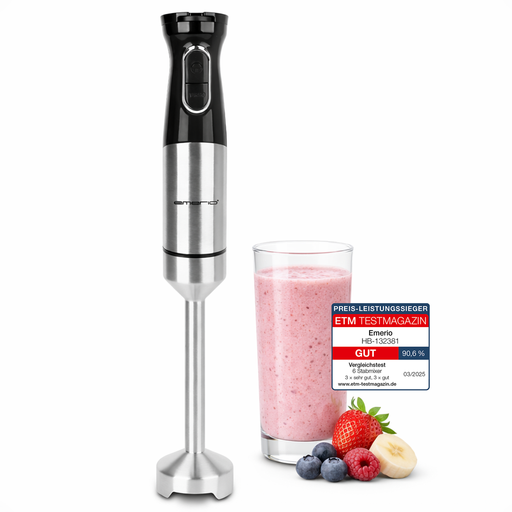 Image unavailable
This hand blender is designed for blending in a suitable cup or bowl. Only use it for a frozen mocha with ice cubes if the instructions allow it.
The product name lists variable speed. You’ll need a separate, suitable cup or bowl to use it.
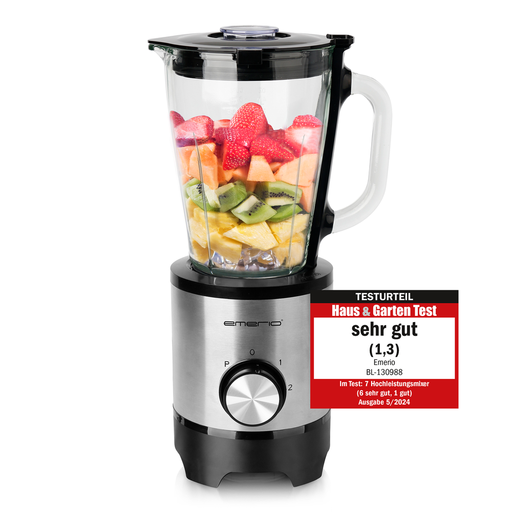 Image unavailable
The listed ice-crushing function and 1.5L jug suit anyone who wants to process ice and make more than one small serving.
The product name specifies a glass jug. Handle it with care; the product information describes the jug as heavy and fragile.
 Image unavailable
The product name mentions ice crushing and a 1.5L jug, making this an option if you want to make a cold drink with ice as well as larger quantities.
The product name lists three speed settings.
 Image unavailable
The product name mentions ice crushing and a capacity of 0.6 Litre. This could suit anyone who wants to make one drink and has limited storage space.
The product name lists 350 W. Check the instructions for this model before using it with ice.
No. Check the instructions for the exact model. The Consumentenbond tests ice crushing separately and follows the speed recommended in the manual; the stated wattage doesn’t replace those usage instructions.
Keep dairy products chilled, use clean surfaces and utensils, and take the milk out of the fridge just before you need it. The Voedingscentrum recommends 4 °C for fresh chilled milk products.
There is no fixed statutory two-year guarantee period in the Netherlands. According to the Dutch government, you should be able to contact the retailer if something goes wrong; what you can expect from a product depends, among other things, on the product and the information provided. A manufacturer’s guarantee is in addition to this.
For a standard online purchase, you generally have a statutory cooling-off period of up to 14 days after delivery. The ACM notes that statutory exceptions may apply; also check the returns information provided with your purchase.
Check the product markings and the instructions for the specific blender. The Dutch government states that electrical appliances placed on the market in the EU must carry a CE marking; that marking alone doesn’t tell you whether the appliance can process loose ice cubes.