
Same-day & Next-day Delivery

Quality Guaranteed

Unlock Your Welcome Offers: FREE Delivery | Up to 80% OFF | Free 30-day JoyPlus trial
Download the APP
A quick meal from the freezer can be a lifesaver after a long day at work, for a busy family, or when you fancy whipping up some Asian dishes on the spur of the moment. However, not all frozen meals are equally practical. A low price might mean a small portion, while flashy packaging tells you little about cooking time or allergens.
With this buying guide, you can compare products based on verifiable information: portion size, cooking method, ingredients, storage instructions and nutritional values. This way, you can make a more informed choice between a quick frozen meal, a ready meal, dumplings or baby food.
A product might be quick to prepare in the microwave, but take longer in a pan or steamer basket. With dumplings, thorough heating is often essential. So, always check:
The instructions on the packaging always take precedence over general information on a website.
A bag weighing 600 or 800 grams may contain several portions, whereas a meal of 350 or 450 grams is intended as a single serving. Don't just look at the weight – check the number of portions stated. Remember, a snack, a side dish and a full meal are all used at different times.
Asian frozen meals often contain wheat, gluten, soya, sesame, fish, shellfish or peanuts. Sauces can also contain milk or egg. Always read the ingredients list and allergen information with every purchase, even if you've bought the product before.
For frozen products, the general rule is: store them at the temperature stated on the packaging, keep them frozen until use, and never refreeze a product that has been defrosted. For baby food, the rules may differ after opening.
For a single-person meal, products with a clear portion indication are easiest. The Iglo Stir-Fry Sensation meals at 450g, for example, are described as one portion. The Teriyaki, South Indian Curry and Paella variants combine rice, vegetables and a source of protein, but differ in their composition.
For a family or for stocking up the freezer, frozen dumplings, gyoza and siu mai can be more convenient. You simply cook the amount you need. Just bear in mind the cooking method: steaming, boiling, frying and microwaving don't give the same result.
A microwave meal is practical for the office, a student room, or an evening when you want to minimise washing up. A product for the pan can give you more control over the texture, but requires a bit more attention.
Examples from the range:
Always follow the instructions on the packaging, as appliance wattages can vary.
When comparing a ready meal, look at the ingredients list and nutritional values per 100g. For rice meals with chicken, pay attention to the ratio of rice, vegetables, sauce and chicken. The Teriyaki variant lists, among other things, 54% vegetable mix, 26% cooked basmati rice and 10% cooked chicken breast. The South Indian Curry variant contains rice, curry sauce, vegetables and chicken breast, according to the product description.
This information isn't a quality judgement, but it helps you compare different products on a like-for-like basis. Brand claims such as “preserves vitamins” or “no added artificial colours” should be read as product information from the brand; always check the label for the most up-to-date details.
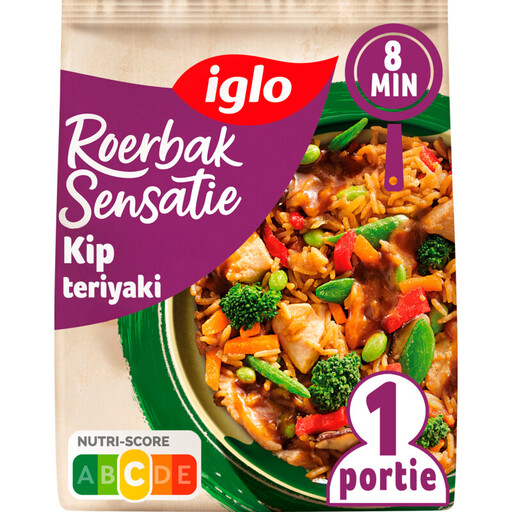
Why this fits the profile: A clear single-serving meal with rice, vegetables and chicken that can be prepared in around 8 minutes according to the product description.
The packaging states both the weight and that it's one portion, and provides cooking options for pan and microwave.
450 g per pack, 245 g of vegetables according to the product information, and a recognisable rice meal with chicken.
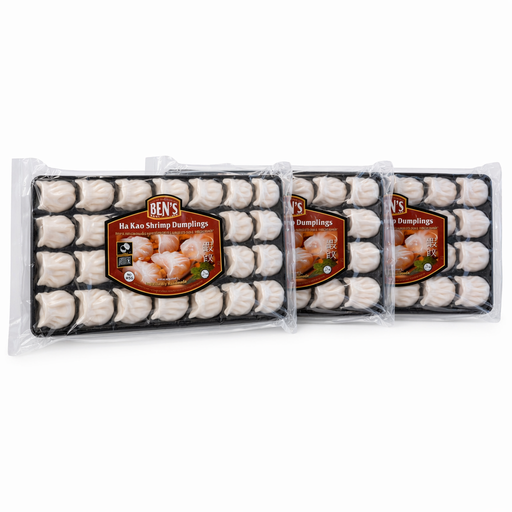
Why this fits the profile: Ideal for dim sum lovers who want to control portion sizes and choose between steaming or microwaving.
The product information states the quantity of 32 pieces per pack and gives specific cooking times.
Prawn filling at 17.2% according to the ingredients list; contains prawn, fish, soya, sesame and wheat, among others.
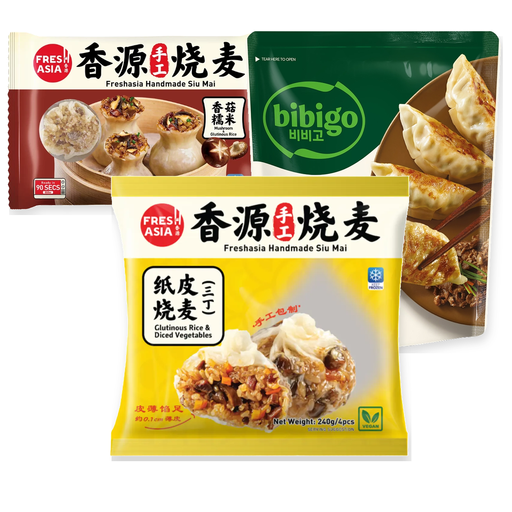
Why this fits the profile: A combination pack for those who regularly serve dim sum, gyoza and siu mai and want to try different fillings.
The product information distinguishes between the components and states a separate cooking method for each variant.
Steam siu mai straight from the freezer; allergens such as wheat, soya and sesame are listed in the product information.
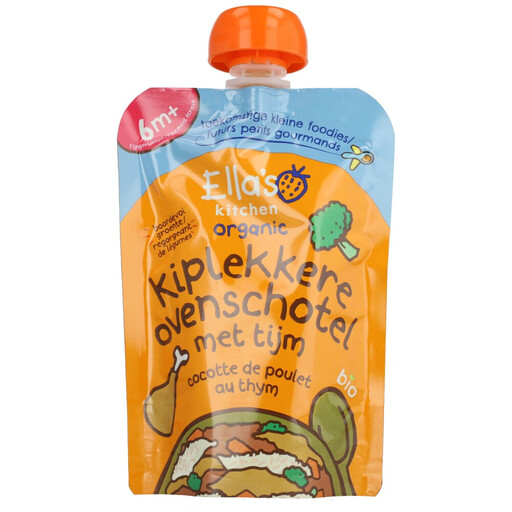
Why this fits the profile: A compact baby meal for on the go or for stocking up, with an age recommendation from 6 months in the product information.
The age indication, ingredients, storage method and instructions after opening are clearly included in the product information.
130 g, with organic ingredients according to the product description and no declared allergens in the main ingredients list.
Not every product in this category is actually a frozen item. The Yopokki Ricecake Cup Red Bean 120 g is, according to the product information, an ambient snack that should be stored in a cool, dry place. This tteokbokki cup is therefore best suited as a quick Asian snack, not as a frozen meal.
For a classic option, you could also look at frozen lasagne, such as the Iglo lasagne bolognese at 350g. If you want to bulk out a meal, Mora Chicken Satay Spicy can be combined with rice, bread or another Oriental dish. When putting together composite meals, always check the allergens again, especially for peanut, soya, milk and wheat.
We've put together a full, up-to-date list of products that fully meet these strict selection criteria and comply with current European safety regulations.
Follow the best-before date and storage instructions on the packaging. Store the product at the stated freezer temperature and avoid unnecessary defrosting. After defrosting, follow the instructions on the label and do not refreeze the product.
Some are, others aren't. Products like Iglo meals and certain dumplings have microwave instructions, whereas siu mai often need to be cooked in a steamer basket. Check the wattage, covering advice and cooking time before you start.
Check the age indication, ingredients, allergens, portion size and storage instructions after opening. Heat baby food evenly, stir well and check the temperature before feeding. The information on the packaging is the most important guide; if you're unsure about introducing foods or feeding, consult a doctor or a nutrition professional.
