
Vandaag of morgen in huis

Kwaliteit gegarandeerd

Welkomstaanbiedingen ontgrendelen: GRATIS bezorging | Tot 80% korting | Gratis 30 dagen JoyPlus-proefperiode
Download de app
A bag of frozen gyoza may seem straightforward to choose. However, Japanese dumplings, Chinese dumplings, ha kau prawn dumplings and Korean varieties can differ considerably in their fillings, size, preparation methods and allergens. If you only look at the photo or an appealing price per kilo, you may end up with a product that is not right for the dish you want to make.
The most common pitfalls:
The filling determines not only the flavour but also how you can use the dumplings.
The term “gyoza dumplings” is used broadly online. So focus mainly on the ingredients and preparation method, rather than just the product name.
For a fair price comparison, look at the price per 100 grams and, where stated, the number of pieces. A 300-gram pack is practical for one or two people, while packs weighing 800 grams to 1 kilogram are better suited to families, guests or stocking up the freezer.
Also check the proportion of the main filling. Freshasia Shrimp Dumpling, for example, states that it contains 55% filling, of which shrimp accounts for 45% of the filling. BML Shrimp Gyoza states that it contains 34.90% shrimp. Percentages like these make it easier to compare products objectively.
Frozen dumplings are usually prepared without defrosting. Defrosting can soften the wrapper and make the dumpling more difficult to handle. Always follow the instructions on the packaging, as cooking times vary by brand and size.
When cooking gyoza in a pan, this method often works well: fry briefly in oil, add a little water, cover and then continue cooking without the lid until the water has evaporated. When steaming gyoza, the dumplings are generally cooked for a few minutes over boiling water.
Check the label for:
If you have an allergy or intolerance, the most recent packaging takes precedence. Product information can change.
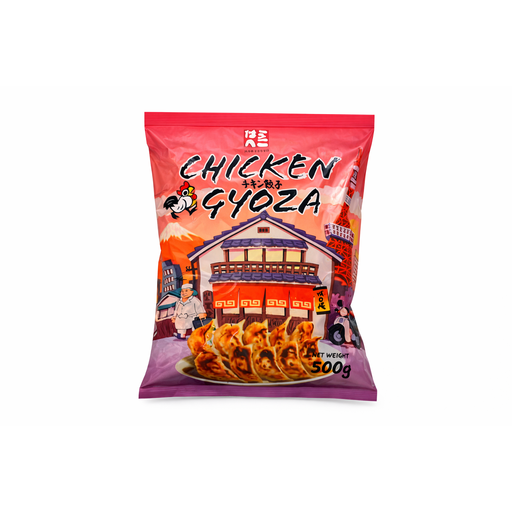
Why it suits this profile: A manageable pack for anyone ordering gyoza for the first time and looking for a versatile chicken variety. The dumplings can be pan-fried, deep-fried or steamed.
The product information states 500 grams, chicken and vegetables, as well as clear instructions for three preparation methods. This means you do not have to rely on the product photo.
147 kcal per 100 grams according to the product information; cook from frozen and suitable for pan-frying, deep-frying and steaming.
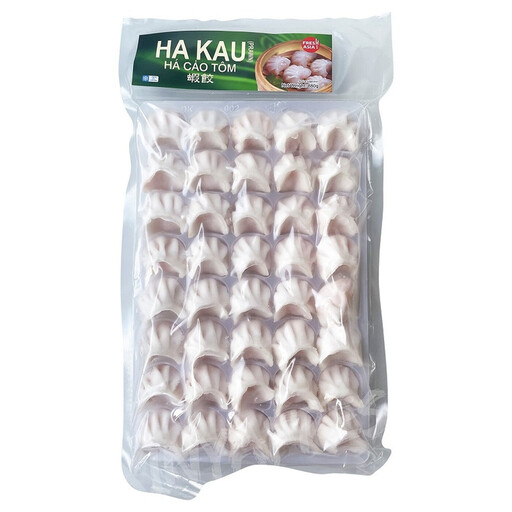
Why it suits this profile: A fitting choice for dim sum lovers who appreciate a thin, translucent wrapper and a generous prawn filling. The product description positions these dumplings as suitable for steaming at home.
The filling and allergens are specified: shrimp, wheat and sesame. This makes the choice clearer than a general description such as “seafood dumpling”.
880 grams of product; according to the product information, 55% filling and a wrapper made from wheat and tapioca starch.
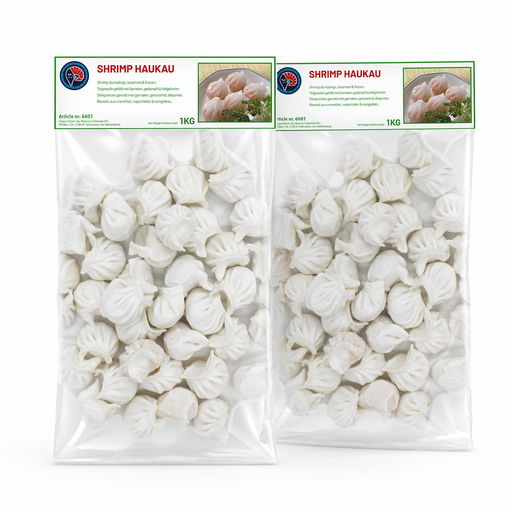
Why it suits this profile: The twin 1-kilogram pack is practical for larger households, dinner parties or anyone who regularly wants to steam ha kau.
The packaging states IQF, 2 x 1 kilogram and a specific storage temperature of -18 °C or below. This makes it easier to plan your frozen-stock levels.
Frozen dumplings that can be taken out portion by portion; designed for steaming; product information lists prawns, soya and sesame as relevant ingredients/allergens.
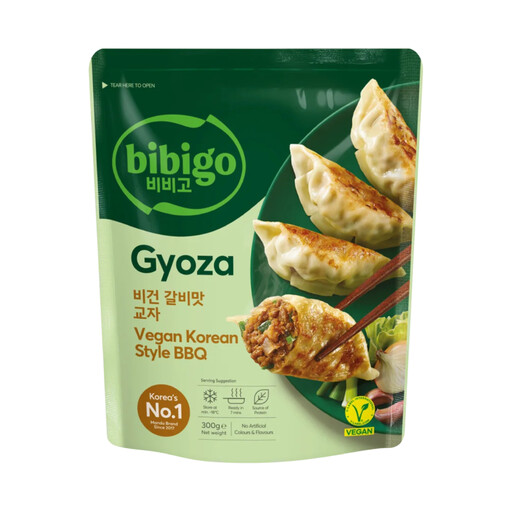
Why it suits this profile: According to the product name, this variety is vegan and has a Korean barbecue style. It can be prepared in a pan or steamer basket.
The ingredients list includes vegetables, wheat, soya and sesame. If you need to avoid certain foods strictly, check these details again on the packaging.
300 grams; according to the preparation instructions, ready in approximately 7 to 8 minutes, depending on the method chosen.
We have put together a complete, up-to-date list of products that fully meet these strict selection criteria and the applicable European safety regulations.
Pan-frying gyoza gives you a crispy base. Use the method on the packaging; for KHY Chicken Gyoza, this includes frying for 2 minutes, adding water, cooking covered and then allowing the water to evaporate.
Steaming gyoza is particularly suitable for ha kau and crystal shrimp dumplings. The wrapper remains softer, allowing the prawn filling to take centre stage. Mooijer Ha Kau states that the dumplings should be steamed for 8 to 10 minutes from frozen, while other products specify shorter cooking times.
Some gyoza can be deep-fried, but this is not suitable for every variety. Use the temperature and cooking time stated on the label. Do not refreeze dumplings after defrosting, and keep the freezer at the temperature specified by the manufacturer.
For many products, yes. Place them in the pan while frozen and follow the instructions on the packaging. They are often fried briefly first, then cooked with water and a lid. Not every dumpling has the same cooking time.
The relevant best-before date is shown on the packaging. Store the product frozen at the stated temperature. After defrosting, keep it refrigerated and use it within the specified period. Do not refreeze it.
Gyoza are Japanese dumplings with a thin wrapper and often a meat and vegetable filling. Ha kau are Chinese prawn dumplings with a translucent wrapper and are usually steamed. The shape, filling and preparation method can vary from brand to brand.
