
Same-day & Next-day Delivery

Quality Guaranteed

Unlock Your Welcome Offers: FREE Delivery | Up to 80% OFF | Free 30-day JoyPlus trial
Download the APP
Looking to buy gyoza for a quick meal, a snack or to stock up for several people? At first glance, the choice seems simple: chicken, pork, prawns, beef, duck or vegetables. But there are a few pitfalls that could leave you with a pack that doesn’t suit your household, freezer or preferred cooking method.
With frozen gyoza, it’s not just about the flavour. Check the weight, portion size, allergens, ingredients and cooking instructions, too. Marketing terms such as “Japanese dumplings” or “authentic flavour” don’t tell you much about what’s inside. The packaging and verifiable product specifications are more useful guides.
A pack of 30 may look generous, but the weight of each dumpling can vary. So, check the net weight as well as the number of dumplings. A 600 g pack isn’t the same as a 500 g bag, even if both seem suitable for several portions.
For food service, catering or a large family, a pack of 10 x 600 g may be more practical. For a first order, 400, 500 or 600 g is usually easier to manage.
Many gyoza contain wheat, gluten, soya or sesame. Prawn and shrimp gyoza also contain crustaceans. Vegetarian gyoza aren’t automatically free from soya, gluten or sesame, either. Check the ingredients list before ordering, especially if you’re cooking for several people.
Look out for conflicting or incomplete product information, too. If in doubt, it’s best to follow the information on the packaging.
Frozen gyoza usually don’t need to be thawed first. Thawing can affect the texture of the dough and make it harder to achieve a crispy base. Always check whether your chosen variety is suitable for pan-frying, steaming, deep-frying or boiling.
Frozen products need to stay frozen during storage and delivery. The product information for the items featured states that they are kept in a chilled or temperature-controlled supply chain. Once your gyoza arrive, put them in the freezer as soon as possible and follow the storage temperature shown on the packaging.
Packs of 500 to 600 g are handy for a quick meal or side dish. The product information for some 600 g packs gives a portion of around six pieces, or approximately 120 g, but the actual number in each bag may vary. So, check both the weight and the number of pieces.
Multipacks are worth considering for larger households and food service. A box of 10 x 600 g means fewer orders, but you’ll need enough freezer space.
Choosing chicken gyoza, pork gyoza, prawn gyoza or vegetarian gyoza affects more than just the flavour: it also determines the allergens and nutritional values. Here are some examples from the range:
For example, Ajinomoto’s product information lists 27% peeled prawns in its prawn variety. The spinach variety is described as having a vegetable filling and spinach powder. These are product specifications, not a guarantee of a particular taste.
A popular way to cook gyoza dumplings is to fry them in a little oil, then add water and cook briefly with the lid on. For example, the instructions for KHY Chicken Gyoza say to fry for about two minutes, add water, cook covered for two minutes, then let the remaining water evaporate.
Other options include:
Always follow the instructions on the label. Cooking times and temperatures can vary by brand and size.
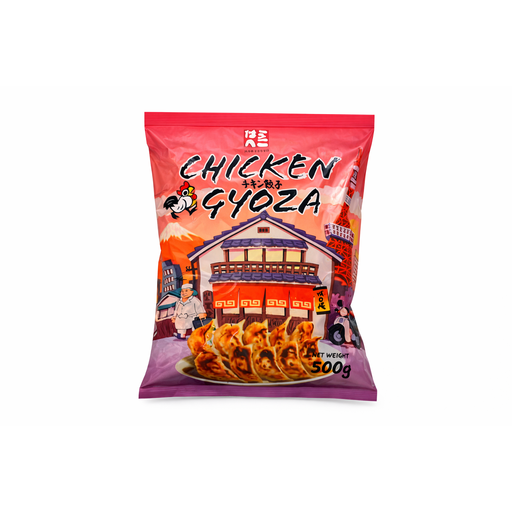
Why it suits this type of shopper: A manageable pack for anyone trying gyoza for the first time or looking for a smaller amount to keep in the freezer. According to the product information, the filling contains chicken and vegetables.
The net weight is clearly stated, and the cooking instructions cover frying, deep-frying and steaming. Be sure to check the allergens: wheat and soya are listed.
500 g pack; chicken and vegetable filling; three cooking methods listed.
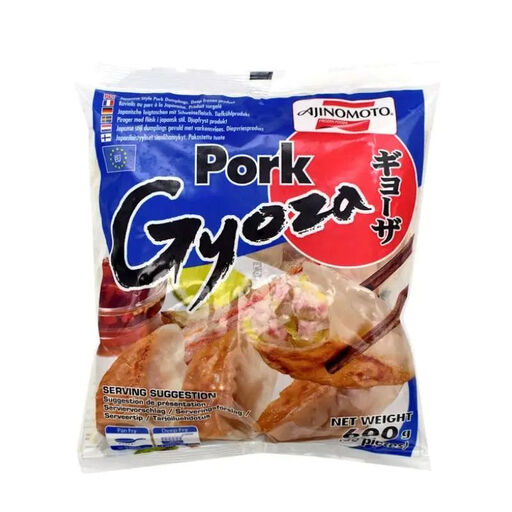
Why it suits this type of shopper: A branded option with 30 pieces, suitable for a meal shared with several people or to keep in the freezer for different occasions.
The number of pieces is clearly stated. The ingredients list gives the pork content as 19% and identifies allergens such as gluten, wheat and soya.
30 pieces; pork and vegetables; suitable for frozen storage.
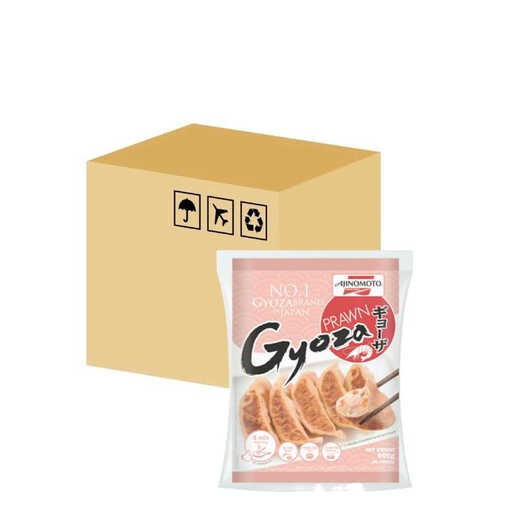
Why it suits this type of shopper: A bulk pack for anyone who regularly serves prawn gyoza, whether at home with the family, in a workplace kitchen or for catering.
The box contains 10 packs of 600 g. The product information lists 27% peeled prawns. Crustaceans and wheat are identified as allergens.
10 x 600 g; 27% prawns listed; suitable for larger quantities.
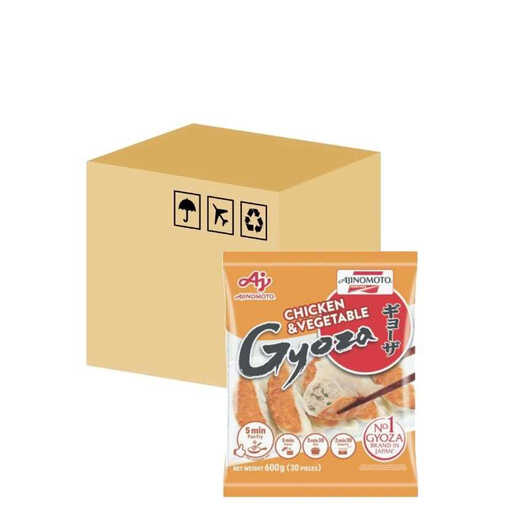
Why it suits this type of shopper: A good fit for restaurants, caterers, large families or anyone who regularly cooks chicken gyoza.
The bulk pack makes the total quantity clear at a glance: 10 packs of 600 g. The product information lists frying, steaming and boiling as cooking options.
10 x 600 g; chicken and vegetable filling; suitable for frequent use.
We’ve put together a complete, up-to-date list of products that meet these strict selection criteria and the applicable European safety regulations.
For pan-frying, heat a little oil and place the gyoza in the pan while still frozen. Then add a little water and cover the pan. Once the water has evaporated, you can fry the dumplings briefly to give them a firmer base. Don’t use high heat if the dough is browning quickly while the filling is still not fully heated through.
According to the product instructions listed, you don’t need to thaw gyoza before steaming or deep-frying. Seal opened packs tightly and don’t refreeze gyoza once they have thawed.
It depends on how you’re serving them. A few pieces per person are often enough for a snack or side dish. For a main meal, allow a larger portion and serve with rice, soup or vegetables. Check the number of pieces and the weight on the pack rather than relying on the product name alone.
Often, yes. The cooking instructions for the products above describe pan-frying, steaming or deep-frying without thawing first. Always follow the label for your chosen product, as cooking times and temperatures can vary.
Keep gyoza frozen at the temperature stated on the packaging. The exact best-before date is shown on the product itself. Once thawed, store the dumplings in the fridge and use them within the stated time. Don’t refreeze them afterwards.
