
Vandaag of morgen in huis

Kwaliteit gegarandeerd

Welkomstaanbiedingen ontgrendelen: GRATIS bezorging | Tot 80% korting | Gratis 30 dagen JoyPlus-proefperiode
Download de app
Frozen gyoza dumplings are a handy option for a quick meal, snack or side dish. However, the bags can vary quite a bit in filling, size, cooking method and portion size. What’s more, a low price per pack doesn’t always reflect the price per portion.
If you’re looking to buy gyoza online, it’s worth checking the ingredients, weight and cooking instructions first. That way, you can avoid choosing a pack that doesn’t suit your dietary preferences, household size or available cooking time.
“Gyoza” mainly refers to the shape and style of the dough parcel. The filling can be pork, chicken, beef, vegetables, kimchi or a combination of these. Chinese dumplings and Korean gyoza also use different herbs and flavour profiles.
So, always check the percentage of the main ingredient. For example, Ajinomoto Pork Gyoza states 19% pork and 31% vegetables in the product information. FRESHASIA Beef & Onion Dumplings lists 23% beef and 11% onion. These are verifiable facts that tell you more than terms like “richly filled” or “traditional”.
A 600g pack might be practical for a family, but less suitable if you live alone or want to try different flavours. Look at:
A 2 x 30-piece pack of Ajinomoto can be handy for several meals. A 300g bag, like bibigo Kimchi Chicken Gyoza, is better suited to a smaller stock or a meal with several side dishes.
Frozen dumplings usually don’t need to be defrosted first. Defrosting can make the dough softer and harder to handle. Always check the pack, as cooking times vary by product.
For example:
The filling must be fully cooked through. With raw frozen products, a crispy outside isn’t enough if the centre is still cold.
First, choose a flavour that suits your meal:
Also watch out for allergens. Many dumplings contain wheat, gluten, soya and sesame. Some varieties also contain egg or shellfish. For example, the allergen information for FRESHASIA Pork, Shiitake Mushroom & Black Fungus Dumplings also lists dried shrimp. So, always read the current pack before buying and cooking.
If speed is your priority, choose a product with clear instructions and a short cooking time. bibigo Kimchi Chicken Gyoza and bibigo Beef Bulgogi Gyoza can be cooked in a pan in around 7 minutes. For crispy fried dumplings, a non-stick pan is practical.
For a softer texture, steamed dumplings work well with a light meal. Chinese dumplings like FRESHASIA Pork & Chinese Leaf Dumplings can be boiled, steamed or pan-fried according to the product information. This means you can serve the same pack in different ways.
Keep the cold chain as intact as possible. Product information for several items states they are stored and transported while frozen. Put them in a freezer that can maintain the temperature stated on the pack as soon as possible after delivery.
Defrosted dumplings should generally not be refrozen. Prepare opened packs according to the instructions and use the best-before information on the label. When your order arrives, also check that the pack is intact and the product still feels frozen.
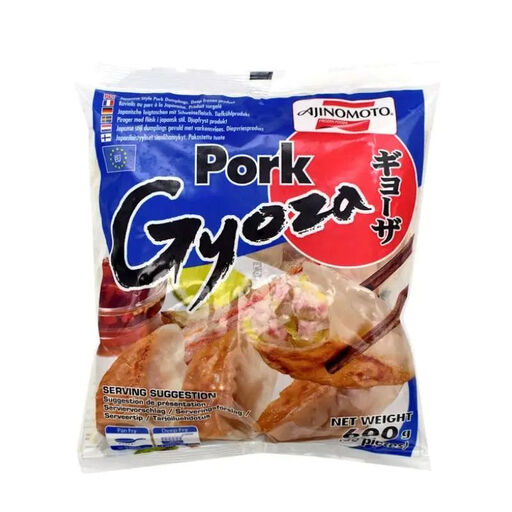
Why this fits the profile: The 30-piece pack is a manageable introduction to Japanese gyoza and works well for a quick meal with rice or salad.
The product information clearly states the filling, ingredients, allergens and storage instructions, so you don’t have to rely on the product name alone.
30 pieces; pork and vegetable filling; can be cooked from frozen.
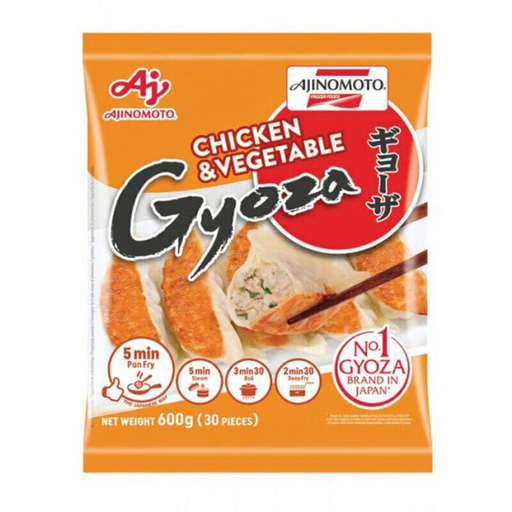
Why this fits the profile: The large pack offers flexibility for several cooking methods, such as frying, steaming or boiling, and suits those who serve gyoza regularly.
The product description lists chicken, cabbage and other vegetables, plus a weight of 600 g. This means you can better match the contents to a family meal.
600 g; chicken and vegetable filling; can be used as a main dish, side dish or added to soup.
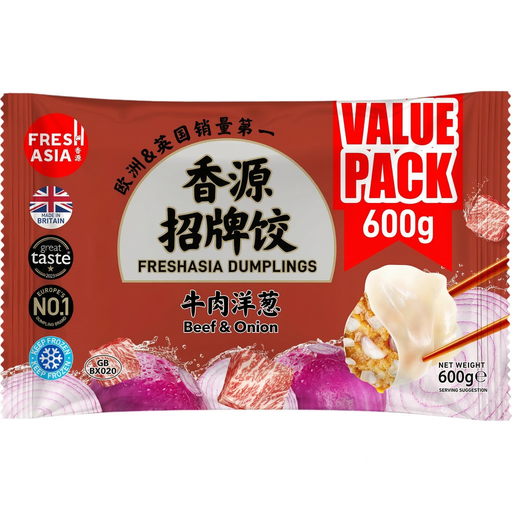
Why this fits the profile: The 600g pack is practical for larger portions and offers a choice of boiling, steaming or pan-frying when you cook dumplings more often.
The product information states 23% beef and 11% onion and gives specific cooking times: boil for 5–7 minutes and steam for 8–10 minutes.
600g; beef and onion filling; three cooking methods listed; store at the stated freezer temperature.
We’ve put together a full, up-to-date list of products that fully meet these strict selection criteria and comply with current European safety regulations.
For fried dumplings, heat a thin layer of oil, place the frozen gyoza flat-side down in the pan and fry the bottom until golden brown. Then add a small amount of water and cover the pan. Let the water evaporate and check that the filling is fully cooked through.
For steamed dumplings, use a steamer basket with enough space between the pieces. You can line the basket to help prevent sticking. Serve with soy sauce, rice vinegar, sesame oil or a dipping sauce of your choice. If you have allergies, always check the ingredients of the sauce separately.
Usually not. Most products are designed to be cooked, steamed or fried straight from the freezer. Defrosting can make the dough more delicate. Always follow the cooking instructions on the pack.
The exact shelf life is on the pack. Store them at the stated temperature and keep the pack well sealed. Once defrosted, dumplings should generally not be refrozen.
Gyoza usually refers to a Japanese style, often with a thin dough and a cooking method where the bottom is fried until crispy. Chinese dumplings come in many forms and can be boiled, steamed or fried. The differences are mainly in the dough, filling, seasonings and cooking method. So, don’t just look at the name – check the ingredients list and instructions too.
