
Same-day & Next-day Delivery

Quality Guaranteed

Unlock Your Welcome Offers: FREE Delivery | Up to 80% OFF | Free 30-day JoyPlus trial
Download the APP
Frozen gyoza and dumplings are a handy option for a quick Asian meal, snack or side dish. However, products vary considerably in filling, size, cooking method and packaging. A nice product photo doesn't always tell you how much filling is inside or which allergens to expect.
So pay particular attention to three common pitfalls:
First, choose the flavour direction that suits your household. Options include chicken gyoza, prawn gyoza, pork dumplings, beef varieties and vegan gyoza.
Khy Chicken Gyoza contains chicken, cabbage, onion, leek, garlic and ginger, among other ingredients. The product contains wheat and soya. According to the product information, bibigo Korean BBQ Gyoza is vegan and contains cabbage, onion, spring onion, wheat gluten and soya sauce, among other ingredients. Always check the current packaging, especially if you have a food allergy.
Don't just compare the price per pack, but also the price per 100 grams and the number of pieces. Ben's Crystal Shrimp Dumplings contain 800 grams, divided into 32 pieces of 25 grams each. This makes it easier to plan portions.
A 300 gram pack, like some bibigo varieties, works well for a small meal or as an addition to noodles and vegetables. For a family or freezer stock, packs of 500 grams to 1 kg are more practical. Also consider your available freezer space and whether the bag can be resealed properly after opening.
For a crispy exterior, you'll typically choose pan-fried dumplings. With gyoza, a combination of pan-frying and brief steaming with water works well: first brown the bottom, then add a splash of water and cover the pan with a lid to finish cooking.
For a soft wrapper, steamed dumplings are ideal. According to the product information, Ben's Crystal Shrimp Dumplings are steamed for around 7 minutes at 96 °C. Mooijer Ha Kau Shrimp Dumplings have a steaming time of around 8 to 10 minutes. Ha kau prawn dumplings are therefore a logical choice if you use a steamer basket.
Always follow the instructions on the packaging. For the products mentioned, frozen dumplings are cooked straight from the freezer; thawing is usually not necessary. According to the product information provided, a once-thawed product should not be refrozen.
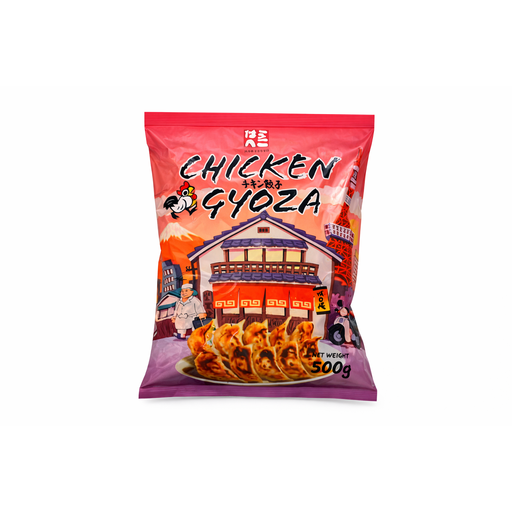
Why this fits the profile: A straightforward pack for anyone wanting to try chicken gyoza first without committing to a bulk buy.
The product states a weight of 500 g and clear cooking options, so you can estimate the portion and preparation method in advance.
147 kcal per 100 g according to the product information; suitable for pan-frying, deep-frying and steaming without defrosting first.
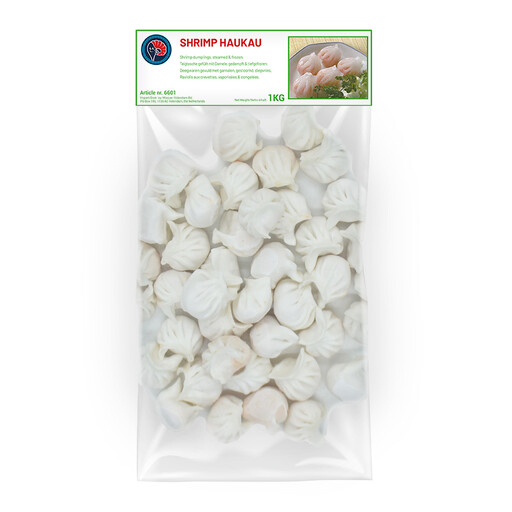
Why this fits the profile: The 1 kg IQF pack is ideal for ha kau enthusiasts who regularly prepare multiple portions.
The weight and IQF packaging are clearly stated, so you can better match your stock to your usage.
153 kcal per 100 g according to the product information; intended for steaming and supplied as a 1 kg pack.
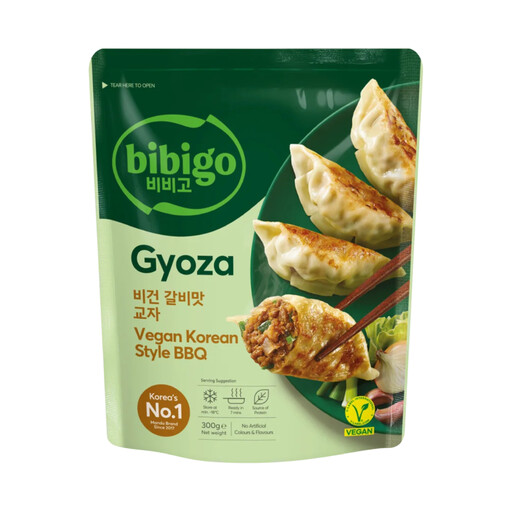
Why this fits the profile: A targeted choice for anyone looking for vegan gyoza with a Korean flavour profile and a compact pack size.
The product information states the vegan style and provides separate instructions for steaming and pan-frying.
Steaming takes around 8 minutes according to the product information; pan-frying takes around 7 minutes.
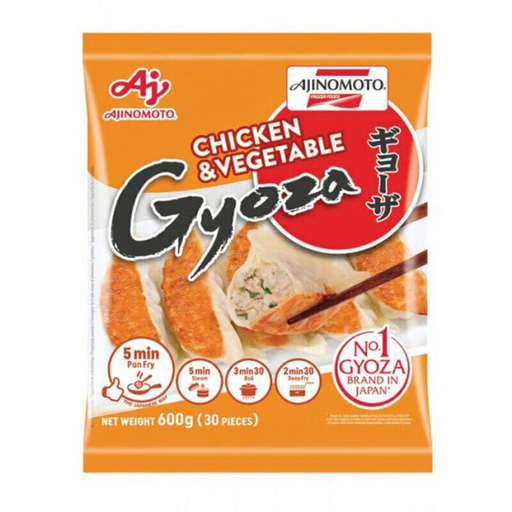
Why this fits the profile: The 600 g pack is suitable for multiple diners or for combining gyoza with rice, salad or stir-fried vegetables.
The ingredients list mentions chicken, cabbage, onion, spring onion and soya sauce, so you can check the composition in advance.
600 g net weight; according to the product description, suitable for pan-frying, steaming and boiling.
We've put together a full, up-to-date list of products that fully meet these strict selection criteria and comply with current European safety regulations.
Yes, with many products there is no need to defrost. Add the frozen gyoza directly to the pan and follow the cooking instructions. Use enough heat to brown the outside, but add water if the filling also needs to cook through evenly.
The exact shelf life is stated on the packaging and can vary by product. Store them at the indicated temperature and keep the packaging well sealed. After thawing, keep the product refrigerated and consume it within the stated time.
Japanese gyoza often have a relatively thin wrapper and are typically pan-fried first and then briefly steamed. Chinese dumplings cover a broader range of products, including boiled, steamed and fried varieties. The cooking method therefore differs per product, regardless of the name on the packaging.
