
Same-day & Next-day Delivery

Quality Guaranteed

Unlock Your Welcome Offers: FREE Delivery | Up to 80% OFF | Free 30-day JoyPlus trial
Download the APP
Frozen gyoza are handy for a quick meal, snack or side dish. You can keep them in the freezer and usually cook them straight from frozen. However, packs can vary considerably in their filling, weight, cooking method and allergens. If you choose based only on the picture or an attractive price, you could end up with a product that doesn’t suit your household or the cooking methods available to you.
This buying guide will help you compare frozen gyoza, from chicken and pork gyoza to prawn gyoza, hakau prawn dumplings and vegetable gyoza.
A 300 g bag may seem like good value, but a 600 g or 1.5 kg pack could work out cheaper per 100 g. So check:
A larger pack isn’t automatically better value if you can’t store leftovers properly. Take extra care when planning meals with products that must not be refrozen after thawing.
Gyoza are usually dumplings made with a dough wrapper and a filling such as chicken, pork, beef, vegetables or prawns. Hakau, also written as ha kau, are steamed prawn dumplings, often with a glossier or more translucent wrapper.
The cooking methods differ. According to the product information, KHY Shrimp Gyoza can be pan-fried, deep-fried or steamed. The packaging for Mooijer Ha Kau Shrimp Dumpling says to steam it for around 8 to 10 minutes. So cooking in an air fryer or frying pan isn’t necessarily suitable for every product.
Words such as ‘authentic’, ‘handmade-style’ or ‘premium’ don’t tell you much without a clear ingredients list and cooking instructions. It’s better to check:
Claims about flavour or product performance come from the brand or seller. Treat them as product information, rather than independently verified facts.
The filling affects not only the flavour, but also which allergens the product contains. According to its ingredients list, KHY Chicken Gyoza contains chicken, cabbage, onion, leek, garlic and ginger, among other ingredients. The product contains wheat and soya. The packaging for FRESHASIA Pork & Chive Dumpling lists 25% pork and 15% chives, as well as wheat, egg, soya and sesame.
For a milder option, you could try chicken gyoza or a vegetable variety. If you’re after a more robust, savoury filling, choose pork gyoza, beef gyoza or a kimchi variety. For prawn gyoza and other Asian dumplings, check the label for shellfish and, sometimes, fish.
For a quick lunch or small snack, 300 to 500 g may be enough. A 600 g value pack is better suited to a family or a meal where dumplings are the main event. For larger households or frequent use, packs such as KHY Chicken Gyoza 3 x 500 g or Asian Pearl Crystal Shrimp Dumplings 2 x 1 kg are worth considering.
If you buy a large bag, make sure you have enough room in your freezer. Store the product at the temperature stated on the packaging, often around -18 °C or below. Once thawed, follow the product instructions and don’t refreeze it.
Most frozen dumplings don’t need to be thawed first. However, cooking methods vary:
Heat the dumplings thoroughly, following the product instructions. Appliances such as air fryers may give a different result from a frying pan or steamer basket.
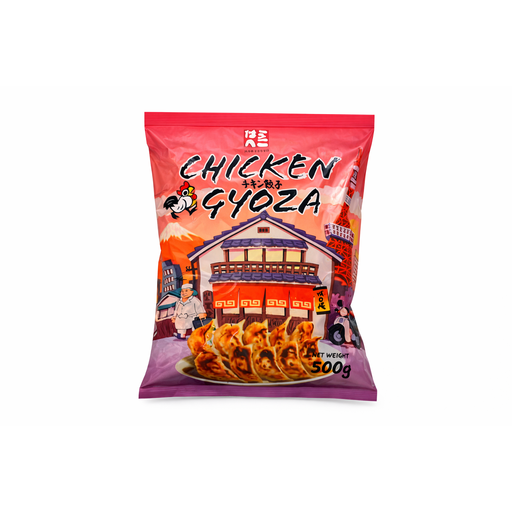
Why it suits this profile: A manageable pack for anyone trying gyoza for the first time. According to the product information, the dumplings can be pan-fried, deep-fried or steamed.
The weight is clearly stated and the cooking options are described in detail. Do check the allergens, though: it contains wheat and soya.
500 g, chicken and vegetable filling, suitable for three cooking methods and 147 kcal per 100 g according to the product information provided.
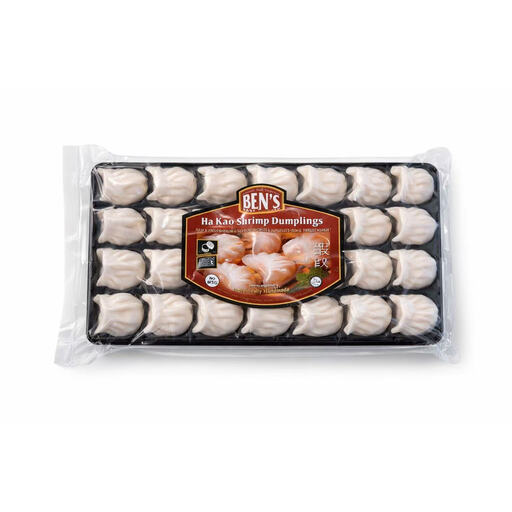
Why it suits this profile: A good choice for fans of dim sum and prawn dumplings looking for a larger pack. It contains 32 pieces weighing 25 g each.
Both the number of pieces and the weight are specified. This makes it easier to plan portions than with a pack that doesn’t state the number of pieces.
800 g, 32 pieces, steam at around 96 °C or cook in the microwave according to the product information.
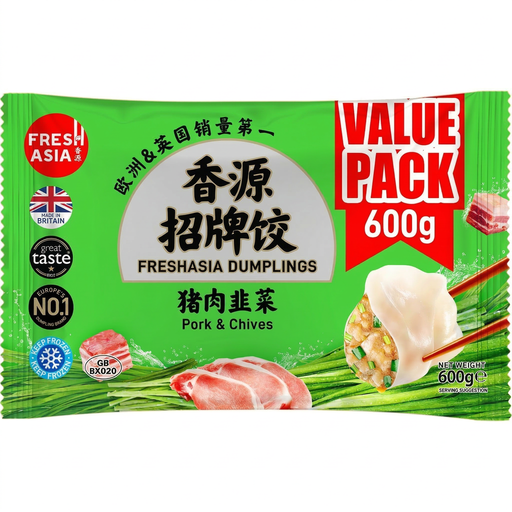
Why it suits this profile: A 600 g pack for families, dinner parties or anyone who regularly cooks Asian dumplings.
The product information states the percentages of pork and chives, as well as all the listed allergens. This makes it easier to assess what’s in the product.
600 g, 25% pork, 15% chives and cook from frozen for 6 to 8 minutes.
We’ve put together a complete, up-to-date list of products that meet these strict selection criteria and the applicable European safety requirements.
Take the dumplings out of the freezer only once you’ve prepared your frying pan, steamer or saucepan. Thawing can make the dough softer and more likely to tear, so follow the instructions on the packaging.
For pan-frying, it’s practical to use a combination of oil, a short fry and then steaming with water. Don’t keep turning the dumplings over. When steaming, leave enough space between them so they don’t stick together. Serve with soya sauce, rice vinegar, sesame oil or a homemade dipping sauce, depending on the ingredients and your taste.
Keep gyoza at the temperature stated on the packaging at all times, usually -18 °C or below. The exact best-before date is shown on the pack. After thawing, keep the product chilled and use it within the period stated. Don’t refreeze thawed dumplings.
Usually not. Many frozen dumplings are designed to be cooked, pan-fried or steamed straight from frozen. Always check the cooking instructions for the specific brand, as times and temperatures vary from product to product.
Chicken gyoza, vegetable gyoza and some pork or beef varieties are handy for a pan-cooked meal. For dim sum, try hakau prawn dumplings or crystal shrimp dumplings. If you’re looking to order gyoza online, it’s a good idea to check the weight, frozen delivery arrangements, allergens and cooking method beforehand.
