
Same-day & Next-day Delivery

Quality Guaranteed

Unlock Your Welcome Offers: FREE Delivery | Up to 80% OFF | Free 30-day JoyPlus trial
Download the APP
Frozen gyoza are a handy option for a quick meal, lunch or snack. You can take them straight from the freezer and they’re usually ready in just a few minutes. However, Asian dumplings vary considerably in filling, size, allergens and cooking method. So a packet labelled gyoza doesn’t automatically tell you everything you need to know.
The most common mistakes come down to three things:
Don’t just look at the product name – check the ingredients list too. In many Japanese and Chinese dumplings, the filling consists of meat or prawns, cabbage, onion, garlic, ginger and seasonings. The dough usually contains wheat or gluten.
Prawn products may also contain shellfish, fish, soya and sesame. This applies, for example, to various crystal shrimp dumplings and ha kau products. If you have allergies, it’s a good idea to check the product packaging and the current product page. Ingredients can change.
Also pay attention to the percentage of the main ingredient. For instance, KHY Shrimp Gyoza states 34.90% prawn in the filling, while Mooijer Ha Kau Shrimp Dumpling lists 25% prawn and 8% fish. These are verifiable differences that help you compare.
A pack of 30 pieces is practical for a family or for several meals. A 300 g or 400 g pack is better if you want to try them first or if the gyoza are being served as a side dish. For a large household or regular eaters, value packs can be more appealing.
Note the difference between piece weight and total weight. Ben’s Crystal Shrimp Dumplings come in an 800 g pack and state 32 pieces of 25 g each. The pack of three 800 g packs is designed for stocking up. KHY Chicken Gyoza is available in 500 g and 3 × 500 g packs.
Many frozen dumplings don’t need to be defrosted. Defrosting can make the dough softer and the dumpling harder to handle. Always follow the instructions on the packet.
For pan-fried gyoza, a combination of frying and steaming often works well:
KHY Chicken Gyoza and KHY Shrimp Gyoza recommend a cooking schedule of about two minutes of frying, two minutes covered and around one minute without the lid. For bibigo products, the cooking time in the pan is around seven minutes. Ha kau prawn dumplings are usually steamed only – for example, eight to ten minutes for Mooijer Ha Kau Shrimp Dumpling.
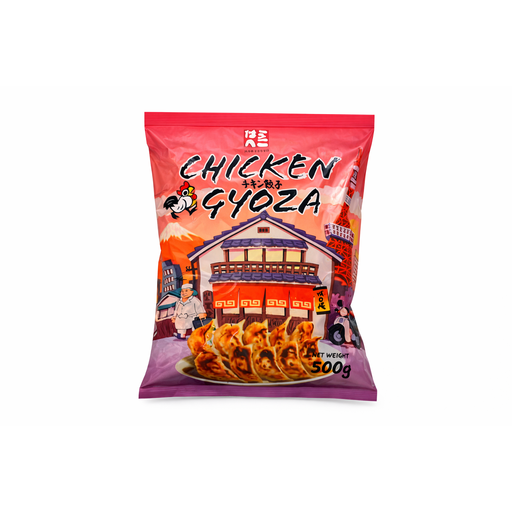
Why this fits the profile: A 500 g pack is manageable for anyone buying chicken gyoza for the first time who doesn’t need a large stock.
The product information lists ingredients, allergens and three cooking options: frying, deep-frying and steaming.
The filling is chicken and vegetables; the product contains 147 kcal per 100 g according to the product information and can be cooked straight from the freezer.
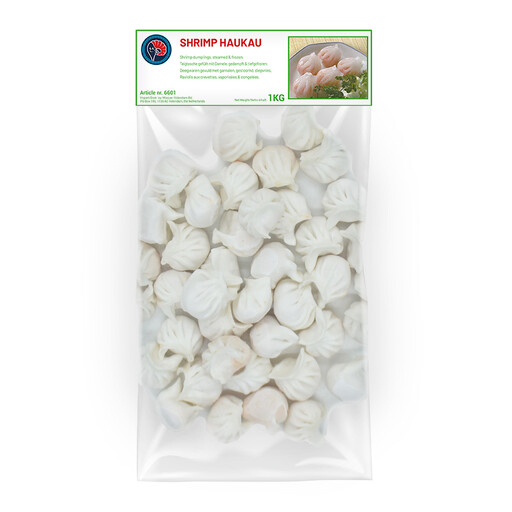
Why this fits the profile: Ideal for fans of steamed prawn dumplings who want a large IQF pack to use across several occasions.
The product is individually quick-frozen, so you can take portions from a 1 kg pack.
153 kcal and 5.6 g of protein per 100 g according to the stated nutritional information; suitable as a steamed snack or side dish.
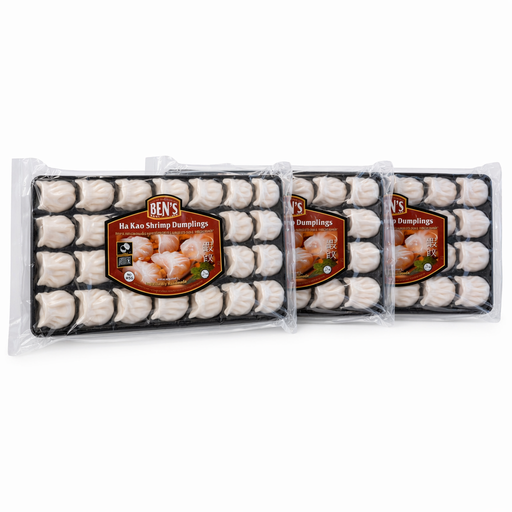
Why this fits the profile: This format is aimed at households that serve dumplings regularly or want to build up a larger freezer stock.
The set consists of three separate 800 g packs, so you don’t have to store one large opened pack.
Each pack contains 800 g and around 32 pieces; the instructions mention steaming or cooking in the microwave.
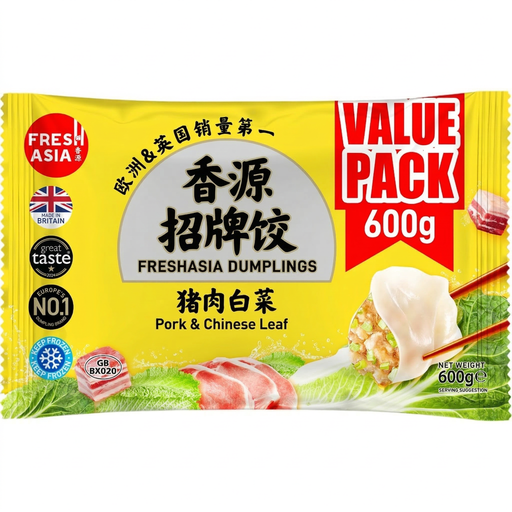
Why this fits the profile: A practical choice for anyone wanting to prepare pork gyoza or Chinese dumplings as a meal with dipping sauce.
The product information states 30% pork and 15% cabbage, and gives a specific cooking time of six to eight minutes.
600 g per pack; suitable for cooking, steaming or pan-frying straight from the freezer.
We’ve put together a full, up-to-date list of products that fully meet these strict selection criteria and comply with current European safety regulations.
Store the products at the temperature stated on the packaging, usually -18 °C or lower. Keep them frozen until use. Once defrosted, they must be kept refrigerated and used within the stated time. Do not refreeze defrosted gyoza.
Fry, steam, deep-fry or boil the dumplings according to the instructions. Raw frozen dumplings must be fully cooked through before eating. For products containing meat or shellfish, check that the filling is thoroughly cooked. The stated cooking time may vary depending on the pan, quantity and appliance.
Do not defrost them in most cases. Heat a small amount of oil, add the frozen gyoza and fry them briefly. Then add water and cover the pan. The steaming stage cooks the filling while the dough is less likely to split. Always follow the specific instructions on the packet.
Gyoza typically refers to Japanese dumplings with a thin wrapper, often filled with meat and vegetables. Chinese dumplings are a broader category and can be boiled, steamed or fried. Ha kau prawn dumplings usually have a translucent wrapper and are mainly steamed. Names give you a general idea, but the ingredients and cooking instructions determine exactly what you’re buying.
As long as the packaging remains unopened and has remained continuously frozen, the date on the label applies. After defrosting, they must be kept refrigerated according to the packaging and consumed within the stated period. Before ordering, also check the storage instructions and make sure you have enough space in your freezer at home.
