
Same-day & Next-day Delivery

Quality Guaranteed

Unlock Your Welcome Offers: FREE Delivery | Up to 80% OFF | Free 30-day JoyPlus trial
Download the APP
Buying frozen fruit seems simple: choose a flavour, add it to your basket and store it in the freezer. But there are a few pitfalls that could leave you paying too much or stuck with impractical packaging. With frozen fruit in particular, pack size, ingredients and storage matter more than eye-catching marketing claims.
This buying guide will help you compare frozen fruit objectively. You’ll find practical tips on frozen berries, frozen mango, tropical frozen fruit and exotic options such as durian.
A 750-gram bag may look appealing, but it’s only practical if you use the fruit regularly. For the occasional smoothie or dessert, a 250-gram pack can help reduce waste. Check the price per 100 grams and consider how much room you have in your freezer.
A product name such as tropical frozen fruit doesn’t always describe exactly what’s inside. Check the ingredients list. Some products contain just one type of fruit, while others are a mix. Look out for added sugar, syrup or other ingredients too. The fruit type or mix is clearly listed on the product pages for the items in this selection.
According to the product information, the selected frozen products are stored, packed and transported under chilled conditions. This helps them arrive frozen, but you’ll need to be prepared at home too. Make sure you have enough room in your freezer and put your order away as soon as possible after it arrives.
For pure fruit, the ingredients list should be short. For example, g'woon Strawberries - 750g lists strawberries as its only ingredient. According to the product information, the raspberry, blueberry and pineapple products in this selection also contain only the fruit stated.
For mixed products, the proportions matter. According to the product description, G’Woon Blueberries & Raspberries - 250 g contains 50% blueberries and 50% raspberries. If you have allergies, always check the current packaging. A product page may state that none of the 14 major EU allergens are present, but the label is the definitive source.
Choose the pack size to suit your routine:
For smoothies, you can often use the fruit straight from the freezer. For a dessert, compote or topping, it may be easier to let it thaw partially.
The product information advises keeping frozen fruit in the freezer at the temperature stated on the packaging. Once thawed, the fruit should be stored in the fridge and used within the stated period. Don’t refreeze it after thawing.
A label such as “freshly frozen” doesn’t mean the product will keep indefinitely. Always check the best-before information on the packaging. For example, passionfruit pulp has a stated storage temperature of -18 °C; follow the label instructions for this too.
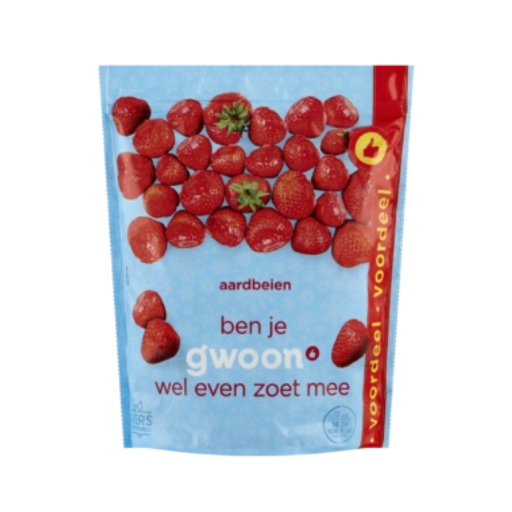
Why it suits this shopper: The 750-gram pack is ideal if you regularly use strawberries in smoothies, breakfast or desserts. The product information lists strawberries as the only ingredient.
The fruit type and ingredients are clearly stated, so you don’t have to rely on the name or packaging alone.
750-gram pack; according to the product information, strawberries are the only ingredient.
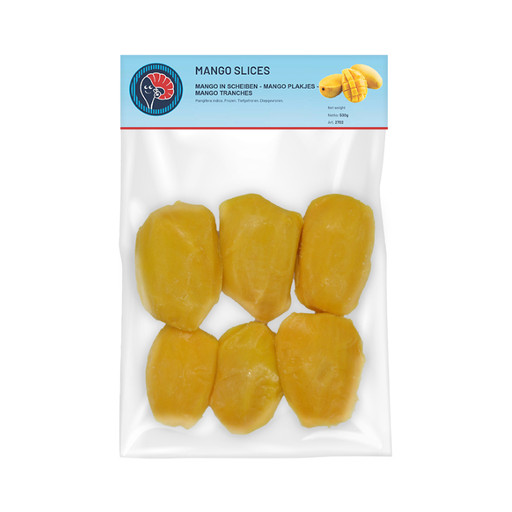
Why it suits this shopper: The pre-cut mango pieces are a handy choice if you want to enjoy tropical flavours without having to peel and cut fresh fruit yourself.
The pieces are already cut, so you’re not paying for peel you can’t use or spending time preparing the fruit. You can also portion out what you need for each recipe.
500-gram pack; sliced mango for smoothies, desserts and yoghurt.
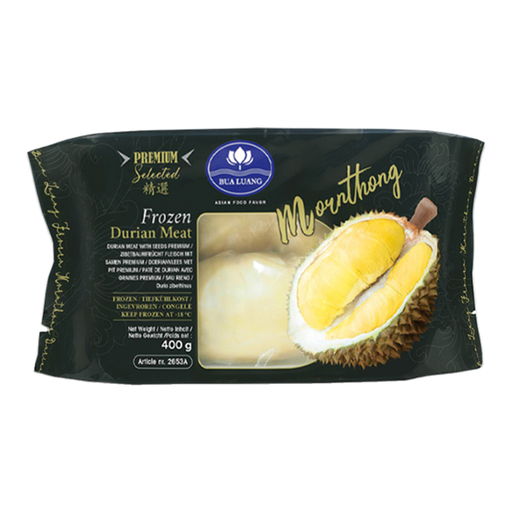
Why it suits this shopper: This pack is aimed at durian fans who specifically want this fruit for desserts, shakes or other recipes.
The ingredients list states 100% durian. Do check the product information for details about whether it contains seeds, and follow the storage advice.
400-gram pack; 100% durian according to the product description.
We’ve put together a complete, up-to-date list of products that meet these strict selection criteria and the applicable European safety regulations.
For breakfast, blueberries, raspberries or a berry mix are easy to add to yoghurt, porridge or quark. If you’d like to try a few smaller packs, you could choose g’woon Raspberries Fresh Frozen - 250g, g’woon Blueberries - 250g or g’woon Summer Fruit Frozen - 250g.
Mango, strawberries and tropical fruit mixes are easy to use in smoothies. Keep an eye on the overall liquid content: frozen fruit can make a smoothie thicker than fresh fruit would. Add milk, yoghurt or a plant-based drink a little at a time.
For desserts, cherries, passionfruit pulp, coconut flesh or jackfruit are worth considering. With exotic fruits such as durian, jackfruit and passionfruit, it’s particularly important to check the ingredients, serving size and storage instructions.
Yes, many frozen fruit products are handy for smoothies because you can blend them straight from the freezer. Do check the preparation instructions and use a blender suitable for hard, frozen ingredients. If necessary, let large pieces soften slightly first.
The storage life is stated on the packaging. Keep the product at the freezer temperature shown and make sure the bag is tightly sealed. Once thawed, the fruit should be stored in the fridge and used within the stated period. Refreezing is not recommended.
That depends on the price per 100 grams, the pack size and how much you use. A larger bag may be better value if you use fruit regularly, while smaller packs let you try different types. Always compare the pack size, ingredients and storage advice before ordering.
