
Vandaag of morgen in huis

Kwaliteit gegarandeerd

Welkomstaanbiedingen ontgrendelen: GRATIS bezorging | Tot 80% korting | Gratis 30 dagen JoyPlus-proefperiode
Download de app
Frozen fish is handy for families, home cooks and anyone who doesn’t want to go to the shops several times a week. Simply keep a pack in the freezer and you’ll always have something ready for pasta, rice, curry, oven-baked dishes or a meal with potatoes and vegetables.
However, an appealing product photo doesn’t tell you everything. A large pack, for example, may contain a relatively high proportion of ice, while a fillet described as “boneless” should still be checked carefully. Use these points to compare frozen fish based on practical, verifiable details.
Check whether the stated weight is the net weight of the fish. Some products have a protective ice glaze to help protect the fillet during storage. For example, the 540-gram Vismarine Tilapia Fillets are described as being coated with a 10% ice glaze. This is useful information when comparing the price per portion.
Other products are made up of several individual portions, such as four 100-gram cod loin portions. This can be more practical than one large block, as you can take out only what you need.
Skinless and boneless fish is handy for quick preparation, but always check the product description and packaging. The Atlantic Cod Loins are listed as skinless and boneless in the product specifications, while the Mekong Catfish Steaks are explicitly sold with bones. Even carefully filleted fish may occasionally contain small bones.
If you’re serving children, older people or guests who aren’t used to eating fish, it’s a good idea to check it again after defrosting and cooking.
Pure fish products often list only the fish species in the ingredients. Other products may contain water, salt, oil, flour, herbs or sauces. This affects the flavour, preparation and nutritional value.
Fish is one of the 14 major EU allergens. Some products may also contain ingredients such as wheat, gluten or soya. Freshasia Seasoned Tilapia Fillets contain tilapia and soya and are seasoned for hotpot, while the product information provided for Vismarine Pangasius Fillet lists only pangasius and none of the 14 specified allergens. Always check the label, especially if you have allergies or food intolerances.
The fish species affects its texture and flavour, as well as the best way to cook it.
Compare the amount in each pack with how you plan to use it. A pack of 250 to 540 grams is suitable for a few meals or a small household. Packs of 800 grams or several kilos may offer better value for families and frequent users, but they take up more freezer space.
Individually wrapped portions are handy if you don’t want to cook everything at once. Also check whether the fish is raw, smoked, grilled, seasoned or already coated in sauce. This affects the cooking and defrosting times.
Check the species name, country of origin and any certification. For products with an ASC certification, the information refers to farmed seafood certified to the ASC standard. For example, NordicSeafood Pangasius Fillet 3 x 525 grams is described as farmed in Vietnam and ASC-certified.
Don’t use sustainability claims as your only purchase criterion. Also check the ingredients, catch or farming information, packaging and preparation method. Claims about origin and responsible production may be based on information provided by the brand or supplier, so always read the current packaging and product page.
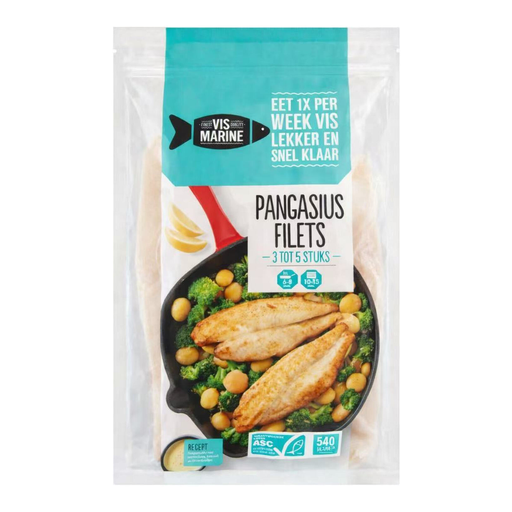
Why it suits this shopper: A mild fish fillet for everyday meals, such as rice, pasta or a simple oven-baked dish.
The product information lists the 540-gram weight, ingredients and nutritional values per 100 grams. This lets you check what’s in the pack rather than relying on the front of the packaging alone.
According to the product information, it contains 15.5 grams of protein and 76 kcal per 100 grams. The ingredients list names pangasius as the ingredient.
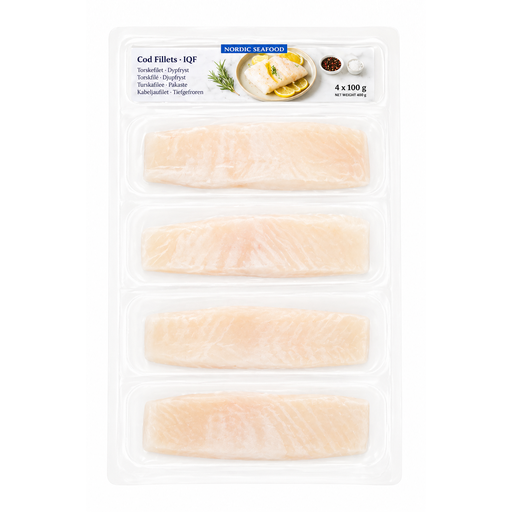
Why it suits this shopper: Thick 100-gram portions for a special meal or dinner party where portion control matters.
The product description lists four individually wrapped portions and a skinless, boneless cut. Still, always check for any bones that may have been left behind.
400 grams in total, sourced from Greenland according to the product specifications. The information lists 17.6 grams of protein per 100 grams.
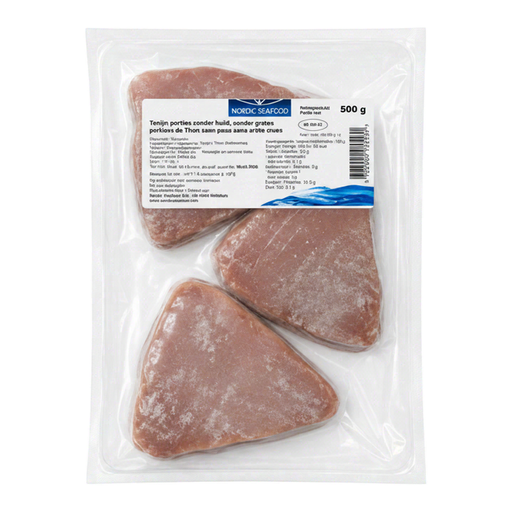
Why it suits this shopper: A 500-gram pack for home cooks who regularly prepare larger portions or enjoy mixing things up with rice and salads.
The product name specifies the yellowfin species and total weight. According to the product information, the ingredients list consists of tuna; check the cooking instructions on the packaging.
A 500-gram pack with fish clearly listed as an allergen. Suitable for a range of hot and cold dishes.
Keep frozen fish in the freezer until you’re ready to use it. Store it at the temperature stated on the packaging, usually -18 °C or below. Defrost fish in the fridge when the cooking method allows. Once defrosted, keep the fish chilled and use it within the time stated on the label. Don’t refreeze defrosted fish.
Pat defrosted fillets dry before frying. This reduces excess moisture in the pan and helps the fish cook more evenly. Different instructions may apply to seasoned or pre-prepared products, so always follow the packaging and check that the fish is cooked all the way through.
It depends on the species, pack size, net weight and whether there’s an ice glaze. Frozen fish can be good value because you can keep portions for longer and are less likely to throw away unused fish. So compare the price per 100 grams of fish, not just the price of the pack.
The use-by or best-before date is shown on the packaging and applies when the fish has been kept properly frozen at all times. Damaged packaging, temperature fluctuations or a partially defrosted product can affect its quality. If in doubt, follow the manufacturer’s storage advice.
Check the fish species, origin, net weight, ingredients, allergens, portion size and storage instructions. Also check the delivery information. A monitored cold chain helps ensure the product arrives frozen, but put it in the freezer as soon as possible after delivery.
We’ve put together a complete, up-to-date list of products that meet these strict selection criteria and the applicable European safety regulations.
