
Vandaag of morgen in huis

Kwaliteit gegarandeerd

Welkomstaanbiedingen ontgrendelen: GRATIS bezorging | Tot 80% korting | Gratis 30 dagen JoyPlus-proefperiode
Download de app
A bag of frozen dumplings is handy for a quick meal, but not every product suits the same cooking method or eating preference. If you rely only on the picture or the word “authentic”, you could end up with a small portion, unclear allergen information, or dumplings that fall apart during cooking.
As a Joybuy Product Recommendation Officer, I always start with verifiable details: contents, cooking method, filling, storage instructions and allergens. That way, you can compare Chinese dumplings, Japanese gyoza and frozen dim sum on practical points rather than marketing claims.
A 500 g pack can contain small dumplings or larger ones. Some products list the number of pieces, others only the total weight. So check whether the pack is suitable for one person, a family, or an evening with several dishes.
A bulk pack, such as 3 x 500 g, is especially useful if you regularly eat chicken gyoza or prawn dumplings. For a one-off tasting, a selection of 300 to 360 g is often more manageable.
Gyoza can often be pan-fried, steamed or deep-fried. Siu mai, ha kau and bao buns are usually steamed. Hotpot products are typically cooked in broth and have a different texture.
Look out for the instruction “cook from frozen”. Thawing can make the wrapper soggy or cause the dough to split. Always follow the instructions on the pack and never eat products with raw dough or raw filling uncooked.
Wheat flour, gluten, soya, sesame, shellfish, fish, egg and milk are common in Asian frozen products. Soy sauce, for example, often contains both soya and wheat. With mixed packs, such as dim sum assortment boxes, you need to check the ingredients of each variety.
Compare the product page with the physical label when it arrives. The label contains the most up-to-date information on allergens, shelf life and storage temperature.
Don’t just look at the name “prawn dumplings” or “pork dumplings” – check the ingredients list too. With the delico Dim Sum Assortment, for example, the har gow contains 36% prawn, the beef siu mai 48% beef and the pork siu mai 55% pork. Percentages like these give you more certainty than a general flavour description.
With gyoza, vegetables can make up a significant part of the filling. The Khy Chicken Gyoza contains cabbage, chicken, onion, leek, garlic and ginger, among other ingredients. That suits anyone looking for a milder combination of chicken and vegetables.
For steaming dumplings, you’ll need a steamer basket or a steaming pan. Place the dumplings on baking paper or a lightly greased surface to stop them sticking. For most products, allow around 5 to 15 minutes, depending on size and type.
Pan-fried gyoza are usually cooked with oil and a splash of water under a lid. This gives the base a crispy, golden crust while the steam cooks the wrapper through. Bao buns and siu mai generally only need steaming. Always check the centre and make sure the filling is piping hot.
Most products must be stored at -18 °C or below. Keep frozen dumplings out of the freezer for as short a time as possible when unpacking. According to the product information for various frozen items, they are stored, packed and transported chilled to support frozen delivery.
Once thawed, keep the product refrigerated as stated on the label and do not refreeze. Check the best-before date on the pack, as this can vary from delivery to delivery.
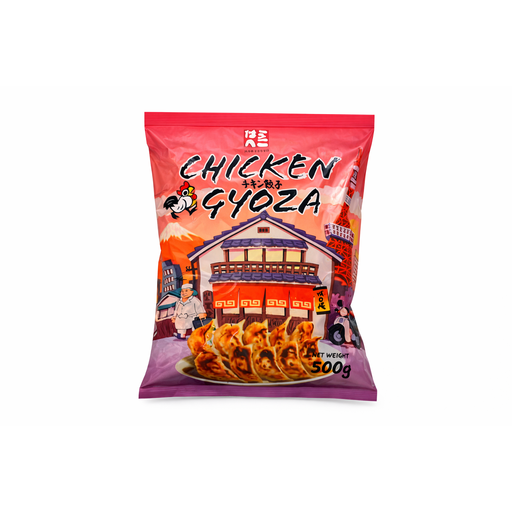
Why this fits the profile: A 500 g pack is a practical way to try chicken gyoza without committing to a large multi-pack straight away.
The product information lists three cooking methods: pan-fry, deep-fry and steam. The allergens wheat and soya are clearly stated.
147 kcal and 7.16 g of protein per 100 g according to the product information; cook from frozen with no need to thaw.
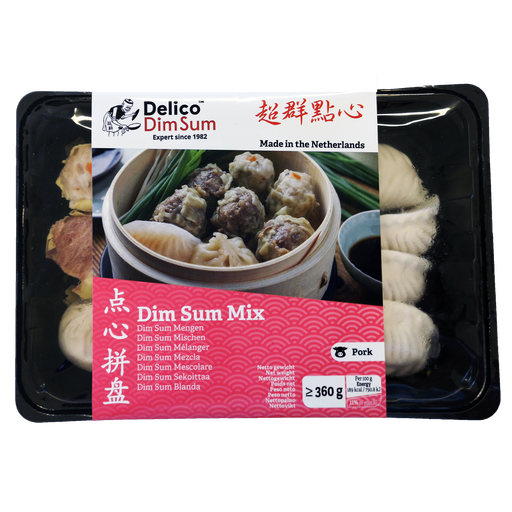
Why this fits the profile: Ideal for a varied dim sum meal with har gow, siu mai and xiao long bao all in one box.
The composition and percentages are specified for each variety. This means you can see in advance which fillings and allergens are in the box.
Four types of dim sum; steam straight from the freezer; 360 g per pack.
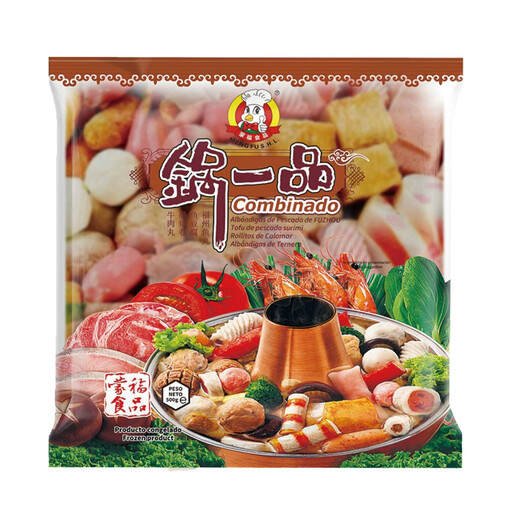
Why this fits the profile: For households that regularly make hotpot, soup or broth-based meals and want to combine different textures.
The pack contains four types of hotpot balls and lists allergens including fish, molluscs, egg, soya, wheat and sesame.
500 g; four varieties; cook from frozen in 5 to 7 minutes.
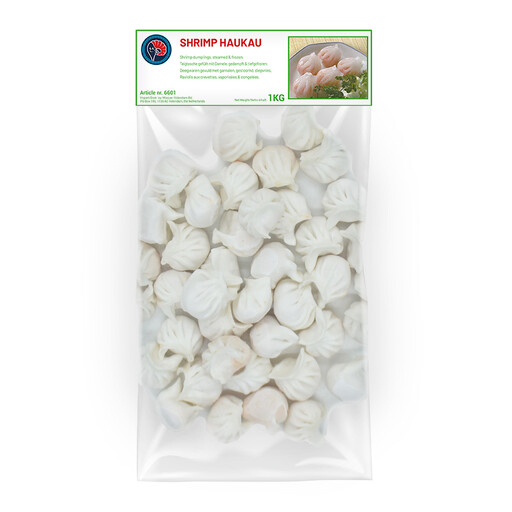
Why this fits the profile: A generous pack for anyone who regularly serves ha kau as part of a dim sum spread.
The 1 kg size is clear from the start. The cooking instructions specify steaming from frozen.
1 kg IQF pack; 153 kcal per 100 g; suitable for steaming.
We’ve put together a full, up-to-date list of products that fully meet these strict selection criteria and comply with current European safety regulations.
Keep them frozen and follow the pack instructions. When steaming, leave enough space between the dumplings. For gyoza, a combination of a quick pan-fry, adding water and cooking covered often works well. Don’t turn or move the dumplings until the wrapper is firm.
Store them at -18 °C or below until the date on the pack. Once thawed, they must be kept refrigerated according to the label and eaten within the stated period. Do not refreeze thawed dumplings.
That depends on the weight, the number of pieces and the filling. Making your own takes more time and ingredients; frozen dumplings mainly offer convenience and a longer stock in the freezer. So compare the price per 100 g and the quantity per pack, not just the price of the bag.
