
Vandaag of morgen in huis

Kwaliteit gegarandeerd

Welkomstaanbiedingen ontgrendelen: GRATIS bezorging | Tot 80% korting | Gratis 30 dagen JoyPlus-proefperiode
Download de app
Frozen dumplings are a handy option for a quick meal, but not every bag suits every kitchen or dietary preference. If you only look at the picture or a low price, you could end up with a pack that's too small, a filling that doesn't suit the family, or dumplings with allergens you've overlooked.
With these checkpoints, you can compare Chinese dumplings, gyoza and mandu in a practical way. That way, you'll know which variety works best for a weekday meal, a snack, or a bigger stock-up for the freezer.
Dumplings can look vegetarian thanks to a green packet, yet still contain egg, soya or other animal ingredients. Always check the ingredients list. With vegetarian dumplings, it's important to distinguish between vegetarian and vegan.
Also look at the percentage of key ingredients. For example, Sanquan's Chinese chive and egg dumplings state a minimum filling content of 45%. Freshasia Pork & Chive Dumpling lists 25% pork and 15% chives. Details like these give you more certainty than vague terms like "generously filled".
Not every dumpling is designed for the same pan or air fryer. Some products are suitable for boiling, steaming and pan-frying, while others are also explicitly suitable for deep-frying or the air fryer. A thin wrapper can split open if cooked incorrectly; too little moisture can result in a hard exterior.
So check the instructions on the product page and packaging before you buy. Most varieties can be cooked straight from frozen. Defrosting is often unnecessary and can alter the texture of the dough.
Many dumplings contain wheat, gluten, soya and sesame. Some varieties also include egg, celery, shellfish or lamb. Always check the allergen information, even if you've bought the same brand before.
Frozen products should generally be stored at -18 °C or lower. According to the product information, thawed dumplings must not be refrozen. When your order arrives, it's also wise to check that the packaging is still properly frozen.
Start by choosing based on the type of meal:
As well as the name, check the full ingredients list. A vegetable variety may contain soya, egg or sesame, for example.
A pack of 300 to 450 grams can be handy for one meal or as a side dish. A pack of 595 to 600 grams is better suited to multiple eaters, meal prepping or a family stock-up. Some gyoza state the number of pieces, such as the bibigo Chicken & 5 Vegetables Gyoza with 30 pieces per pack.
Don't just compare the price per bag – also look at the price per 100 grams and how many people you're feeding. A value pack is only practical if you can use the contents within the storage period.
Follow the cooking instructions on the packaging. Most methods boil down to:
Do not eat dumplings raw. Thorough cooking is especially important with chicken, pork, egg or shellfish. The times given are guidelines; the packaging of your chosen product is the final authority.
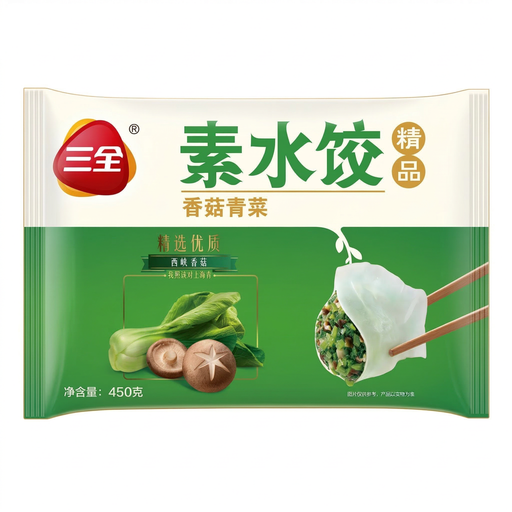
Why this fits the profile: A straightforward 450g pack with mushroom and green vegetables. Ideal for anyone trying vegetarian dumplings for the first time.
The product information clearly states the filling and cooking methods. However, do check the allergens: gluten, soya and sesame.
450g; suitable for boiling, steaming or pan-frying; contains 22.7% Chinese cabbage and 9.09% mushroom according to the product information.
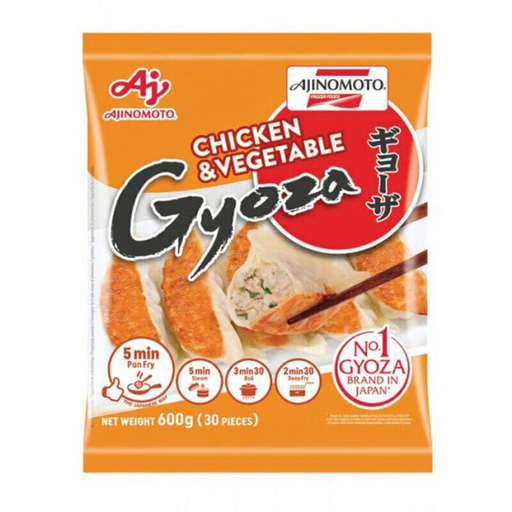
Why this fits the profile: A generous pack with chicken, cabbage, onion, garlic and spring onion for anyone wanting to serve Japanese gyoza as a main or side dish.
The product page lists multiple cooking methods and states the allergens. This means you can check in advance whether it suits your kitchen.
600g; suitable for boiling, steaming and pan-frying; approximately 7g protein per 100g according to the nutritional information.
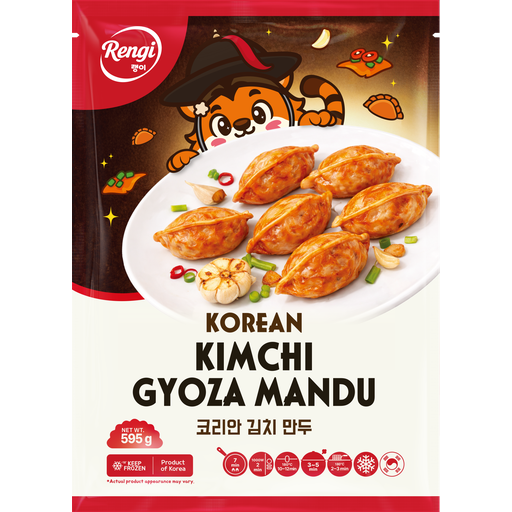
Why this fits the profile: For fans of Korean flavours and multiple cooking options, including steaming, pan-frying, boiling, deep-frying and air-frying.
The product description lists five cooking methods and a storage temperature of -18 °C. The kimchi filling is clearly stated; do check for gluten, soya and sesame.
595g; Korean mandu with 17.43% kimchi; can be cooked in a pan, steamer, saucepan, deep fryer or air fryer.
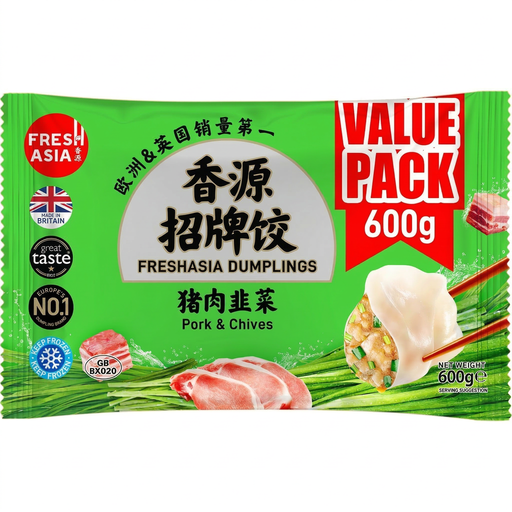
Why this fits the profile: A larger pack for families or households that want to cook Chinese dumplings more often without buying a small bag each time.
The ingredients and quantities are listed: 25% pork and 15% chives. The instructions state cooking from frozen.
600g; suitable for boiling, steaming and pan-frying; product information lists wheat, soya, egg and sesame as allergens.
We've put together a full, up-to-date list of products that fully meet these strict selection criteria and comply with current European safety regulations.
Use a large pan of boiling water when cooking dumplings. Add them gently and stir briefly so they don't stick to the bottom. When pan-frying, a lid helps to cook the top through after the bottom has turned golden.
For a complete meal, you can pair dumplings with bok choy, cucumber, edamame, noodles or a light broth. A simple dipping sauce of soy sauce, rice vinegar and sesame oil works with many varieties, but first check whether the dumplings already contain salt or seasonings.
Usually not. Many product instructions recommend cooking, steaming or pan-frying dumplings straight from the freezer. Always follow the cooking method on the packaging. Once thawed, the product should not be refrozen according to the stated storage advice.
Store them at the temperature stated on the packaging, often -18 °C or lower, and keep an eye on the best-before date. After opening, it's wise to seal the pack well and use the contents within a reasonable time. The date on the product is the final guide.
Don't just look at words like "vegetable" or "groente". Check the ingredients and allergens. Some vegetarian dumplings contain egg, while other products based on vegetables, soya or wheat are offered as vegan. When in doubt, the product information on the packaging is decisive.
