
Vandaag of morgen in huis

Kwaliteit gegarandeerd

Welkomstaanbiedingen ontgrendelen: GRATIS bezorging | Tot 80% korting | Gratis 30 dagen JoyPlus-proefperiode
Download de app
Frozen dumplings are a handy option for a quick meal, party snack or dim sum moment at home. Yet gyoza, Chinese dumplings and ha kau differ significantly in filling, size, cooking method and allergens. A flashy packet tells you very little about what you're actually buying.
The most common mistakes come down to three pitfalls:
Ingredients are listed in descending order by weight. So don't just check the product name — check the quantitative declaration too. With Freshasia Shrimp Dumpling 880g, the filling is stated as 45% prawns, along with pork fat, starch and sesame oil. That's a different story from simply calling them "shrimp dumplings".
Ajinomoto Gyoza Prawn (30 Pieces) 600g lists 27% peeled prawn. BML Shrimp Gyoza - 400 g states 34.90% prawn in the composition. These percentages help you compare products more fairly.
For meat fillings, also look at the ratio of meat to vegetables. The Ajinomoto pork variety contains 19% pork and 31% vegetables according to the product description. The beef version contains 24% beef and 32% vegetables.
The wrapper determines whether you can steam, pan-fry or boil a dumpling without it falling apart. A thin, starch-based wrapper is typical for ha kau or crystal dumplings. These are usually steamed.
Freshasia Shrimp Dumpling has a translucent casing made from wheat starch, tapioca starch and potato starch, according to the product information. For Ben's Crystal Shrimp Dumplings - 800 g, steaming at 96 °C for around seven minutes is recommended. The pack contains 32 pieces weighing 25 g each.
Gyoza usually have a firmer wheat dough. They are suitable for pan-frying, steaming or boiling, depending on the instructions on the packet. Always follow the manufacturer's cooking method for frozen dumplings, and don't defrost them beforehand unless advised to do so.
Compare the net weight and the number of pieces. A 300 g pack may work as a snack or side dish, while 800 g or 1 kg is more practical for several people. Individually frozen products are handy when you want to cook a small portion at a time.
Products labelled "cold from start to finish" are stored, packed and transported chilled, according to the product description. Check that the packaging is still frozen when it arrives. Store frozen dumplings at the temperature stated on the label, usually -18 °C or lower, and never refreeze a defrosted product.
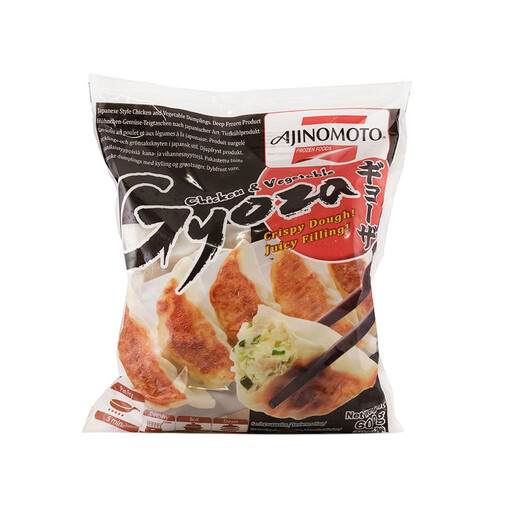
Why it fits this profile: A versatile pack for anyone trying gyoza for the first time who wants to experiment with different methods: steaming, pan-frying, boiling or deep-frying.
The product information states 600 g and provides clear nutritional and ingredient details. Always check the current cooking instructions on the pack.
600 g pack; chicken and vegetable filling; multiple cooking options according to the product description.
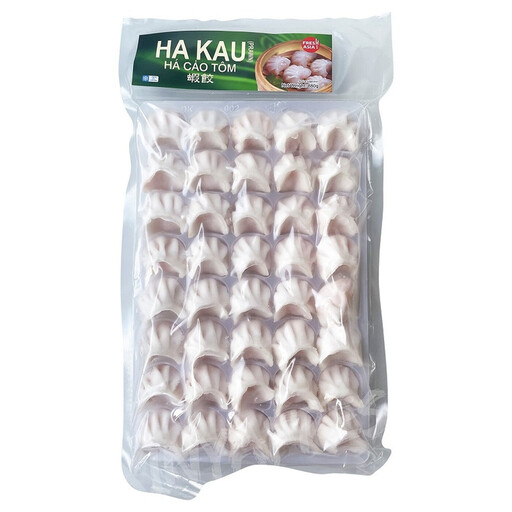
Why it fits this profile: For prawn dumpling lovers who want a larger pack and a translucent, crystal-style wrapper.
The ingredients list states the prawn percentage and the allergens present, including crustaceans, wheat and sesame.
880 g; filling with 45% prawns according to the product information; designed for steaming.
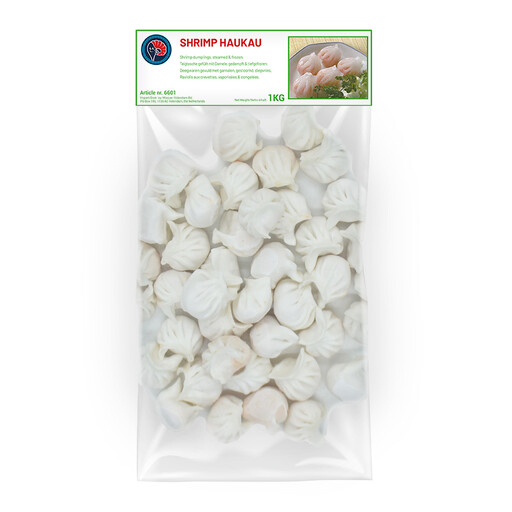
Why it fits this profile: A practical choice for households that regularly serve ha kau or crystal dumplings and want to keep a larger stock.
This is an IQF 1 kg pack, so you can take portions from the freezer without defrosting the whole bag.
1 kg content; suitable for steaming; nutritional information states 153 kcal per 100 g.
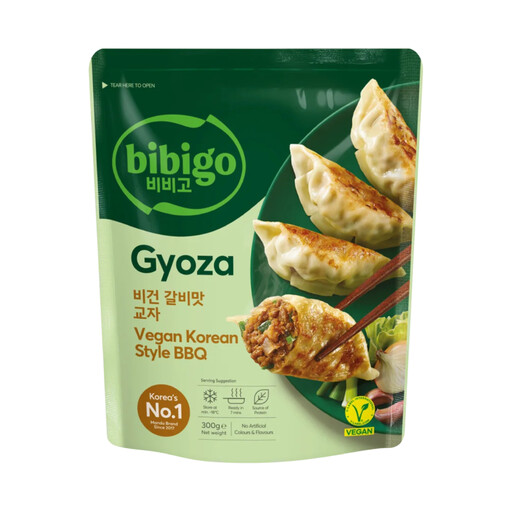
Why it fits this profile: For anyone looking for a plant-based Korean-style option who wants to cook gyoza in a pan or steamer.
The product description states a plant-based Korean barbecue style. Always check the current ingredients list and allergens on the pack.
300 g pack; can be cooked in around seven to eight minutes according to the product description; contains vegetables and wheat gluten among other ingredients.
We've put together a full, up-to-date list of products that fully meet these strict selection criteria and comply with current European safety regulations.
Usually, yes. Many products are designed to be steamed, pan-fried or deep-fried straight from frozen. Defrosting can make the wrapper soggy and cause the dumpling to split. Always check the cooking instructions for the specific product.
Store them unopened and continuously frozen until the best-before date on the pack. Once defrosted, they must be kept chilled and consumed within the stated time. Do not refreeze them.
Common allergens include wheat or gluten, soya, sesame, crustaceans and fish. Prawn dumplings and ha kau in particular may contain fish as well as prawn. Always read the full allergen declaration, even when you're specifically looking for shrimp dumplings or vegetarian gyoza.
