
Same-day & Next-day Delivery

Quality Guaranteed

Unlock Your Welcome Offers: FREE Delivery | Up to 80% OFF | Free 30-day JoyPlus trial
Download the APP
Frozen dumplings are convenient for a quick meal, snack or dim sum occasion. You keep them in the freezer and usually cook them straight from frozen. Even so, a pack can be disappointing in practice. The number of pieces, filling, cooking method and allergens can vary considerably.
This guide helps you compare frozen dumplings using verifiable product information. That way, you can make a more informed choice between gyoza, Asian dumplings, ha kau and other varieties.
An 800-gram bag may contain 32 small dumplings, while another 600-gram pack contains larger ones. So do not look only at the total weight. Also check the number of pieces, the weight per piece and your preferred portion size.
Smaller dumplings are practical for a snack or side dish. For a meal with noodles, rice or vegetables, a larger pack may offer better value. A multipack, such as 3 × 500 grams or 3 × 800 grams, is particularly suitable for households that eat dumplings regularly and have enough freezer space.
The prawn content can vary considerably between prawn dumplings. For example, Freshasia Shrimp Dumpling states that the filling contains 45% prawns. In other products, prawns are combined with fish, pork fat, vegetables or starch.
So read the ingredients list and quantitative ingredient declaration. Also pay attention to the product name:
Marketing terms such as “authentic” or “restaurant-style” are no substitute for specific information about ingredients, weight and preparation. According to the brands’ and suppliers’ own product information, the ingredients and cooking method may vary between varieties.
Not every dumpling is suitable for the same cooking method. A product designed for steaming may split in a dry frying pan or stick to the bottom. Before ordering, check whether you want to steam, fry, boil, deep-fry or microwave the dumplings.
Also look out for the instruction “do not defrost”. Many frozen dumplings are cooked straight from the freezer. Defrosting can soften the dough and make the product more difficult to handle.
Check whether the filling suits your preferences and household. Many products contain wheat, gluten, soya and sesame. Prawn dumplings and ha kau also contain crustaceans; some varieties contain fish as well.
For example:
Always check the current packaging when allergies or intolerances are a concern. Recipes and labels may change.
For occasional use, a 300- to 500-gram pack is easy to manage. For families or a dim sum table, packs of 800 grams to 1 kilogram may be more convenient. Some products are individually quick frozen, indicated as IQF. This can be useful if you only want to cook part of the bag at a time.
Compare the price per 100 grams rather than just the price per pack. A multipack is not automatically better value if you have to throw some away because of limited freezer space or a short storage life after opening.
Always follow the instructions on the packaging. Here are some examples from the product information:
These timings are product-specific. Check that the filling is fully cooked and piping hot before serving.
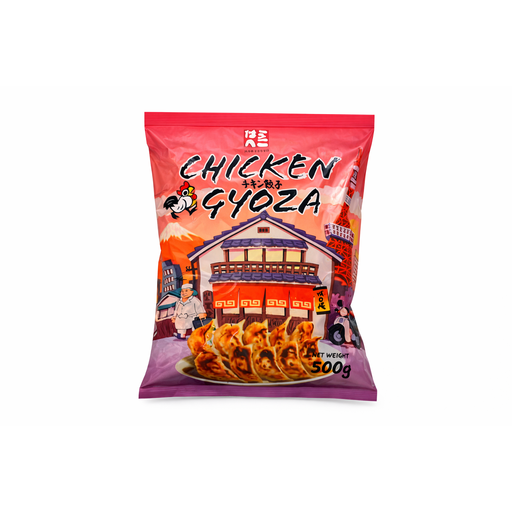
Why it suits this profile: A manageable pack for anyone trying chicken gyoza for the first time. The product information lists pan-frying, deep-frying and steaming as preparation options.
The weight is clearly stated as 500 grams, and the cooking instructions are provided for each method. You do not have to rely solely on a general product claim.
Chicken and vegetable filling; suitable for pan-frying, deep-frying and steaming; cook straight from frozen.
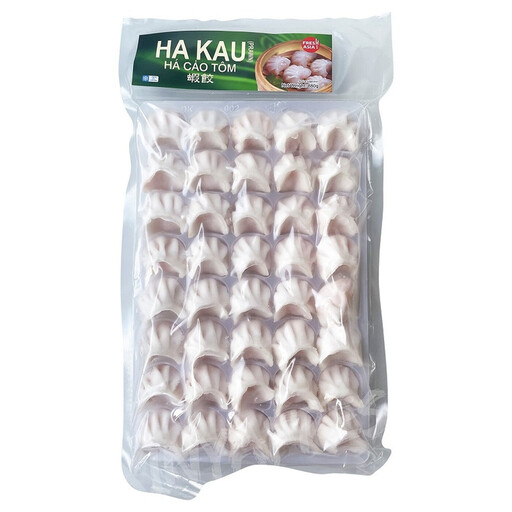
Why it suits this profile: Designed for lovers of steamed crystal shrimp dumplings with a transparent wrapper. The product description states that the filling makes up 55% of the product, of which 45% is prawns.
The composition states the proportion of the filling and prawns. This makes it easier to compare the pack with other prawn dumplings.
880 grams; transparent wrapper according to the product description; designed for steaming.
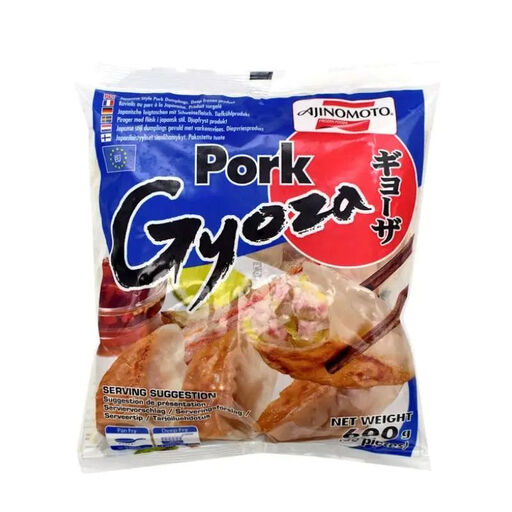
Why it suits this profile: The pack states that it contains 30 pieces. This makes it easier to plan for several people or stock up the freezer.
The number of pieces is stated explicitly in the product name. The ingredients include 19% pork and 31% vegetables.
30 pieces per pack; pork and vegetable filling; Japanese gyoza style according to the product description.
We have put together a complete, up-to-date list of products that fully meet these strict selection criteria and the applicable European safety regulations.
Keep frozen dumplings frozen until you are ready to cook them, and store them at the temperature stated on the packaging. A product that has been defrosted must be kept chilled and used within the stated time. Do not refreeze defrosted dumplings.
When steaming, use a basket or insert that prevents the dumplings from sticking to one another. For pan-frying, briefly fry the dumplings first, then add water and cover the pan. This works well for varieties with a wheat wrapper. Allow the water to evaporate afterwards so that the underside can brown.
Yes, many products are designed to be cooked straight from frozen. This includes various gyoza and ha kau varieties. Always follow the specific instructions on the packaging and check that the filling is fully cooked.
The cooking time varies according to the size and product. The product information given states approximately 5 minutes for Khy Chicken Gyoza, 7 minutes for Ben’s Crystal Shrimp Dumplings and 8–10 minutes for Mooijer Ha Kau. Use these timings as product guidelines, not as a general rule for every dumpling.
A multipack can reduce the price per 100 grams if you eat dumplings regularly. A smaller pack, on the other hand, reduces the risk of waste and takes up less freezer space. Compare the weight, number of pieces, price per 100 grams and how often you eat dumplings before placing your order.
