
Same-day & Next-day Delivery

Quality Guaranteed

Unlock Your Welcome Offers: FREE Delivery | Up to 80% OFF | Free 30-day JoyPlus trial
Download the APP
Frozen dumplings are ideal for a quick meal, lunch or Asian-style snack. Take them out of the freezer, choose a frying pan, steamer basket or saucepan, and you need very little preparation. However, gyoza, mandu and Chinese dumplings can vary considerably in terms of filling, size, allergens and cooking method.
Packaging featuring words such as “authentic”, “premium” or “extra crispy” does not always tell you what matters for your needs. Always check the ingredients list, weight and instructions. This helps you avoid buying a vegetarian variety that is not vegan, or ordering a large multipack that will not fit in your freezer.
Vegetarian dumplings may contain egg, milk ingredients or margarine. For example, Synear Premium Chive & Egg Dumpling contains egg and also lists wheat, soya and sesame as allergens. A product containing vegetables is therefore not automatically suitable for vegans.
When choosing vegan dumplings, check not only the front of the packaging but also the full ingredients list. Look out for egg, dairy, animal stock and less familiar ingredients. The bibigo Korean BBQ Gyoza is listed as vegan in the product information and contains cabbage, onion, spring onion, wheat gluten and soya sauce, among other ingredients. However, the product does contain wheat and soya.
Not every frozen dumpling is suitable for the same cooking method. Some varieties are intended for boiling, steaming or frying. According to the product information, the Synear Mushroom & Mixed Vegetable Crispy Fried Dumpling is specifically designed to be cooked in a frying pan. Its crispy base is created by adding water and then continuing to fry the dumplings.
If you boil this type of dumpling, you may miss out on its intended texture. Check whether the packaging says “pan-fry”, “steam” or “boil”, and follow the instructions for the specific product.
A 300, 400, 450, 500 or 600-gram pack does not tell you how many dumplings you will get. Size varies between brands and styles. Rengi Gyoza Mandu, for example, contains larger Korean mandu with a generous filling, while some gyoza are smaller and easier to serve as a snack.
Compare the net weight, size and intended use. For one meal, a 400 to 600-gram pack is practical. For restaurants, catering or a large household, Ajinomoto’s bulk packs may be a more attractive option.
Start by choosing the flavour profile you want:
Always check the current packaging if you have allergies. Many products contain wheat, soya and sesame. Some varieties also contain egg, peanuts, shellfish or fish.
Frozen dumplings are usually cooked straight from the freezer. Defrosting can make the dough sticky or cause it to tear, unless the packaging specifically instructs you to do so.
Dumplings are generally raw frozen products. Heat them thoroughly before eating and keep them frozen at approximately -18 °C or below. Do not refreeze a defrosted product.
For students and small households, 300 to 450 grams is often a manageable amount. A 500 or 600-gram pack is better suited to a family or a meal with several side dishes. Restaurant operators and high-volume buyers can consider Ajinomoto packs containing multiple 600-gram bags.
Do not compare only the price of the box; also check the price per 100 grams. In addition, check whether delivery takes place chilled or frozen and whether you have enough freezer space.
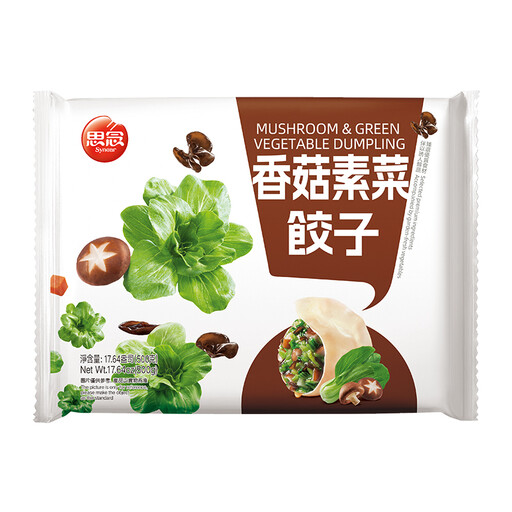
Why it suits this profile: A 500-gram pack provides a practical quantity for several portions. These dumplings are suitable for boiling, steaming and frying.
The product information clearly lists the cooking options and the wheat and sesame allergens, so you do not have to rely solely on the product image.
500 grams; suitable for three cooking methods; vegetarian filling with shiitake and vegetables.
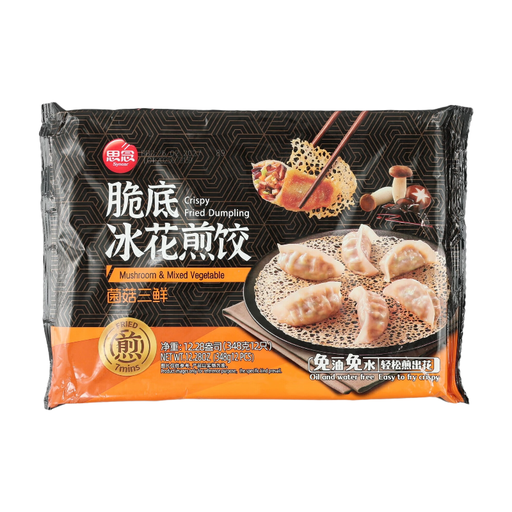
Why it suits this profile: This variety is designed for pan-frying and is ideal for anyone who values a crispy base and a consistent cooking routine.
The instructions explain that defrosting is not necessary and describe step by step how to create the crispy base.
348 grams; mushrooms and vegetables; cooking method that creates a crispy “lace” base.
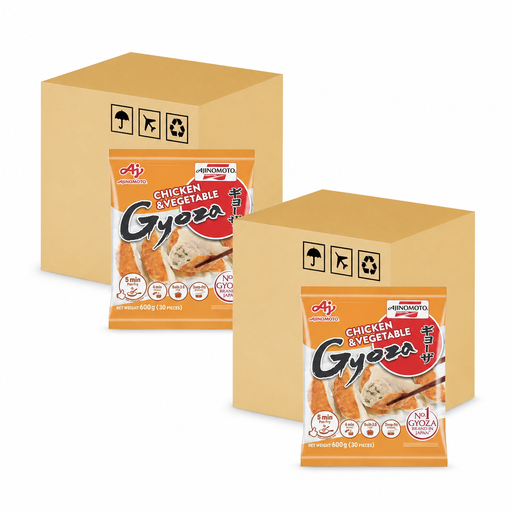
Why it suits this profile: This bulk pack is aimed at restaurants, caterers, large families and households that serve gyoza regularly.
The number of packs and the weight are clearly stated: ten 600-gram bags. This allows you to plan your stock and freezer space in advance.
Bulk pack; chicken and vegetable filling; suitable for frying, steaming and boiling.
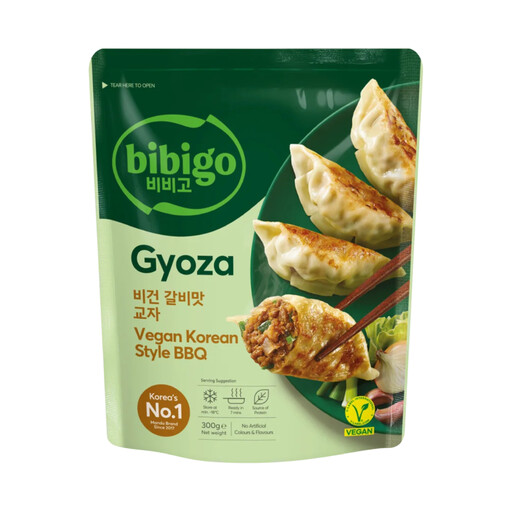
Why it suits this profile: The product information states that it uses a vegan recipe and comes in a compact size for a quick meal or snack.
The ingredients are available for you to check yourself. Bear in mind that wheat, soya and sesame are allergens, and check the packaging when you buy.
300 grams; vegan according to the product information; can be steamed or pan-fried from frozen.
We have put together a complete, up-to-date list of products that fully meet these strict selection criteria and the applicable European safety regulations.
Usually not. Many products are boiled, steamed or fried straight from the freezer. Only defrost them when the packaging says to do so. This generally helps the dough stay intact.
Cooking time depends on the size and filling. Many varieties need around 6 to 8 minutes after being added to boiling water. Always check the packaging and make sure the filling is piping hot throughout.
Store them at -18 °C or below and follow the best-before date on the packaging. An opened or defrosted product should generally not be refrozen. Seal the packaging securely to help prevent dehydration and freezer burn.
