
Same-day & Next-day Delivery

Quality Guaranteed

Unlock Your Welcome Offers: FREE Delivery | Up to 80% OFF | Free 30-day JoyPlus trial
Download the APP
Frozen dumplings are ideal for a quick meal, snack or drinks party. However, gyoza, Chinese dumplings, wontons and ha kau dumplings can differ considerably in their filling, size, preparation method and packaging. An appealing product photo tells you little about how much filling there is or how the product should be prepared.
When buying frozen dumplings, pay particular attention to these three common pitfalls:
Ingredients are listed in descending order by weight. If pork, chicken or prawns appear first, they generally make up an important part of the filling. Also look out for additions such as cabbage, chives, sweetcorn, shiitake or spring onion. This will help you assess the flavour and how you can use the dumplings.
If you have a food allergy, always check the packaging. Many Asian dumplings contain wheat or gluten, soya and sesame. Prawn dumplings and ha kau also often contain crustaceans; some varieties contain fish or oyster sauce too. The product page and packaging are the definitive sources, as recipes and labels may change.
A pack of 30 pieces is practical for a family or drinks party, while a 300 to 400 g bag may be suitable for one or two people. For regular use, packs of 500 g to 1 kg are often more convenient.
When checking frozen dumplings, look at:
An IQF pack, meaning individually quick frozen, can be useful if you want to prepare only part of the bag at a time. This means you do not have to use the entire pack in one go.
Japanese gyoza usually have thin dough and are often pan-fried first, then steamed with a little water. Chinese dumplings can be boiled, steamed or fried. Ha kau dumplings have translucent dough and are particularly suited to a bamboo steamer. Wontons are often boiled in stock or used in soup.
Always follow the instructions on the label. Many products do not need to be defrosted. Defrosting can make the dough sticky and affect its texture. Once defrosted, frozen products should generally not be refrozen, according to the product information.
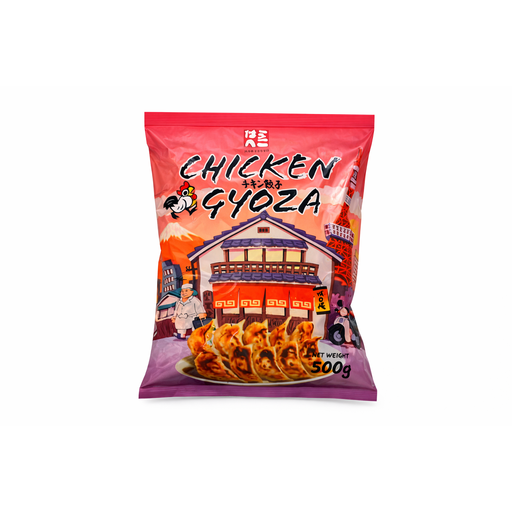
Why it suits this profile: A manageable pack for anyone trying chicken gyoza for the first time. The gyoza can be pan-fried, deep-fried or steamed without being defrosted first.
The preparation instructions give specific times for pan-frying, deep-frying and steaming. This means you do not have to guess how to cook a frozen product.
500 g, chicken and vegetable filling, 147 kcal and 7.16 g protein per 100 g according to the product information. Contains wheat and soya.
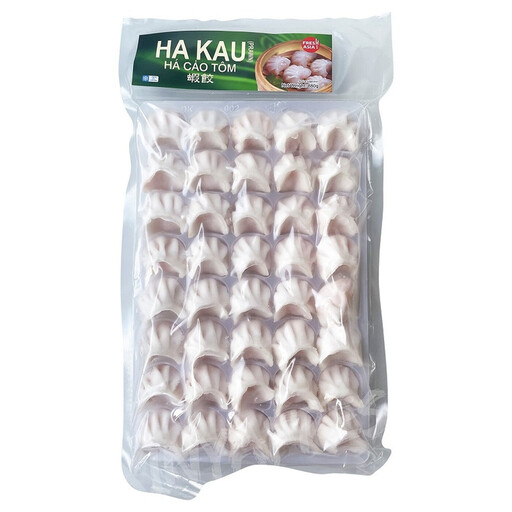
Why it suits this profile: For dim sum lovers who are looking for thin, translucent dough and a clearly defined prawn filling.
The product information states that the filling makes up 55% of the product, including 45% prawns, and specifies steaming as the preparation method. This makes the choice easy to verify.
880 g pack, 155 kcal and 8 g protein per 100 g. Contains crustaceans, wheat and sesame.
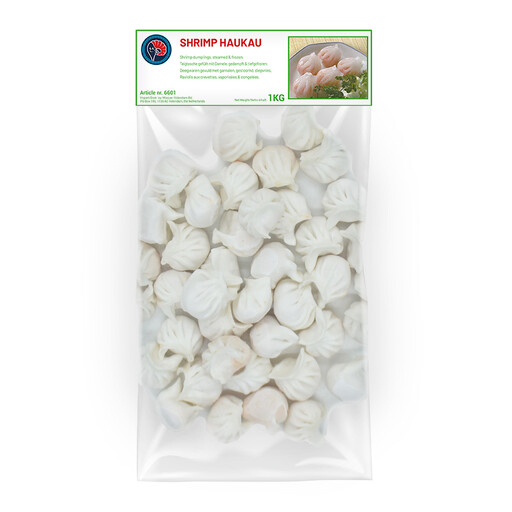
Why it suits this profile: A large IQF pack for families, drinks parties or anyone who regularly wants to serve steamed ha kau.
The individually frozen format makes it easy to prepare only the amount you need. The product information also clearly states that steaming is the recommended method.
1 kg pack, sourced from Vietnam, with a prawn filling according to the product description. Contains crustaceans, gluten, sesame and soya.
We have put together a complete, up-to-date list of products that fully meet these strict selection criteria and the applicable European safety regulations.
For many frozen dumplings, the rule is simple: cook them straight from the freezer. A practical method for gyoza is:
Exact timings vary by brand and size. Cook chicken gyoza, pork gyoza and wontons thoroughly according to the label. For steamed products such as ha kau, a bamboo steamer or steaming rack is more suitable than a frying pan. When deep-frying, use the temperature and cooking time stated on the packaging, and take care around splashing oil.
Usually not. Many gyoza, wontons and Chinese dumplings can be boiled, steamed or fried straight from the freezer. Always check the preparation instructions. Defrosted dumplings may stick together and generally should not be refrozen.
Store them at the temperature stated on the packaging, often -18 °C or below, and follow the stated best-before date. Once defrosted, they should be kept chilled and used within the specified period. The packaging contains the most up-to-date information.
Gyoza usually refers to the Japanese variety with thin dough, often filled with meat and vegetables. Chinese dumplings are a broader category with various shapes and preparation methods. Ha kau is a dim sum variety with translucent dough and a prawn filling. Wontons often have a smaller, thinner wrapper and are commonly served in soup.
