
Vandaag of morgen in huis

Kwaliteit gegarandeerd

Welkomstaanbiedingen ontgrendelen: GRATIS bezorging | Tot 80% korting | Gratis 30 dagen JoyPlus-proefperiode
Download de app
Frozen dumplings are ideal for a quick meal, dim sum or snack. Simply move them from the freezer straight into the frying pan, steamer basket or saucepan. However, products can vary more than the packaging suggests. A thin wrapper, generous filling and suitable cooking method all help determine the result on your plate.
Pay particular attention to these three common pitfalls:
First, check the percentage of meat, prawns or vegetables. Freshasia Whole Prawn Egg Dumpling contains 22% prawns and 20% egg, among other ingredients. According to the product description, the prawns are used whole. The percentage may be lower in a pork variety: Ajinomoto Gyoza Pork Dumplings, for example, contains 19% pork as well as 31% vegetables.
These differences matter if you have specific preferences:
A product name or image is no substitute for the ingredients list. If you have allergies, always check the most recent packaging.
Many Chinese dumplings and gyoza contain wheat, soya and sesame. Prawn dumplings also contain crustaceans; some varieties contain fish or egg as well. Freshasia Shrimp Dumpling 880g, for example, lists crustaceans, wheat and sesame as allergens. Sanquan Chinese Chive & Egg Dumplings list wheat, egg and soya. The product is also made on a line that processes sesame and peanuts.
Look out for these common allergens:
If you have an allergy or intolerance, the product packaging takes precedence. Recipes may change.
Most frozen dumplings do not need to be defrosted. Defrosting can make the dough sticky or cause it to split. Always follow the instructions on the packaging.
Steaming dumplings
Place the dumplings in a steamer basket with space between them, optionally on perforated baking paper. Many ha kau varieties are ready in 7 to 10 minutes. The wrapper often becomes translucent when the product is thoroughly heated.
Boiling dumplings
Bring a large saucepan of water to the boil and add the dumplings while still frozen. Stir gently to prevent them sticking together. Vegetable dumplings and some pork dumplings are generally ready in 5 to 8 minutes, depending on their size and the packaging instructions.
Frying dumplings
Gyoza and firmer Chinese dumplings can be fried in oil. Once browned, add a little water and cover the pan. This makes the base crisp while the dough and filling cook through in the steam. Make sure the filling is fully cooked and piping hot; do not eat frozen products raw.
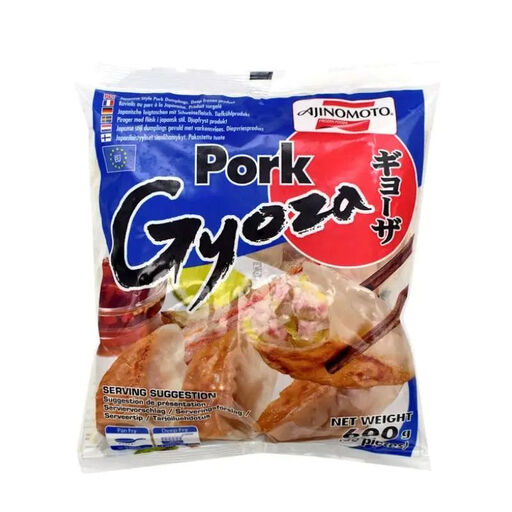
Why it suits this profile: A pack of 30 is practical for trying gyoza for the first time, enjoying a quick lunch or serving a meal for several people. The combination of vegetables and 19% pork suits the familiar Japanese style.
The product information states the number of pieces, the pork content and the available cooking methods. This makes it easier to assess the price and portion size.
30 pieces; filling with 31% vegetables and 19% pork; suitable for frying, boiling or steaming.
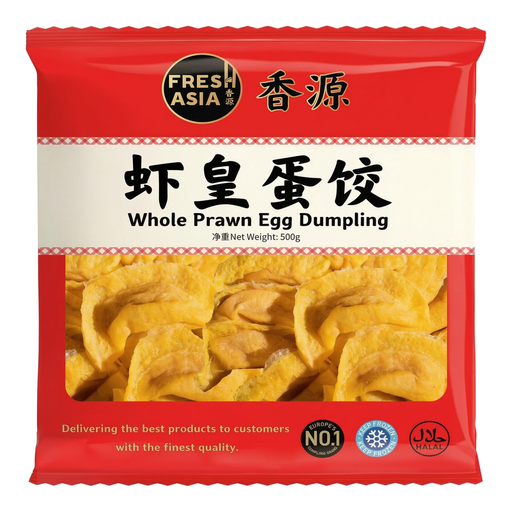
Why it suits this profile: This ha kau combines whole prawns with a thin egg-based wrapper. It is a great choice for a dim sum meal where the filling and presentation take centre stage.
The description names specific ingredients and states that it contains 22% prawns, rather than making only a general flavour claim. The allergens crustaceans, egg, soya, sesame and wheat are listed.
500 g; whole prawns according to the product description; steam from frozen for 8 to 10 minutes.
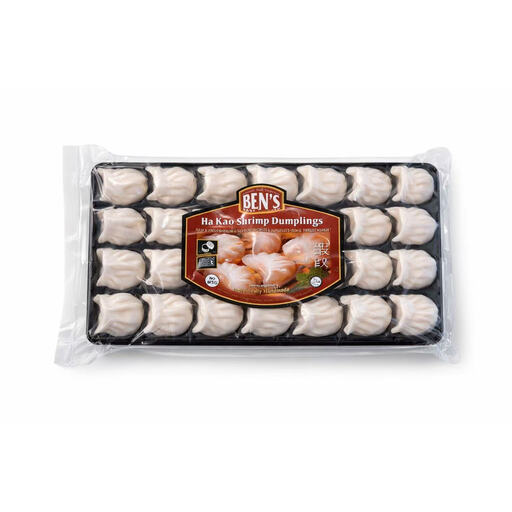
Why it suits this profile: With 32 pieces weighing 25 g each, this pack is suitable for regular dumpling fans, families or those planning several Asian meals.
Both the weight and the number of pieces are specified. There are also two clear options: steaming at 96 °C for approximately 7 minutes or heating in the microwave at 650 W.
800 g; 32 portions of 25 g; prawns, fish, yam bean and bamboo shoots listed among the ingredients.
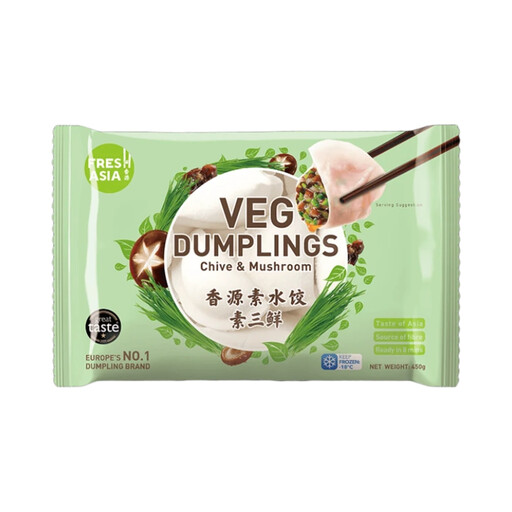
Why it suits this profile: These vegetable dumplings contain cabbage, spring onion, black fungus and mushrooms. They work well as a light meal, side dish or snack.
The vegetable ingredients and allergens are clearly listed. Please note that the product contains wheat, peanuts and sesame, so it is not suitable for every allergen-free kitchen.
450 g; three named types of vegetables plus mushrooms; suitable for boiling, frying and steaming.
We have put together a complete, up-to-date list of products that fully meet these strict selection criteria and the applicable European safety regulations.
Store frozen dumplings at the temperature stated on the packaging, often -18 °C or below. Seal an opened bag securely before returning it to the freezer. According to the product information, defrosted products must not be refrozen. Cook them immediately after opening or follow the storage instructions on the label.
Use a steamer basket when you want to preserve a soft wrapper. For a crispy base, gyoza or firmer Chinese dumplings are suitable for cooking in a frying pan. Do not add too much water when frying: a thin layer is usually enough to cook the dumplings without making them soggy.
Yes, many dumplings can be added directly to boiling water from frozen. Stir gently to prevent them sticking together. The exact cooking time varies according to the size and filling, so check the packaging. Dumplings are ready when they are piping hot and the filling is fully cooked.
Store them until the indicated best-before date at the specified freezing temperature. After defrosting, keep them chilled and use them within the stated period. Do not refreeze defrosted dumplings.
Compare the price per 100 grams and check the number of pieces. A 600 or 800 gram value pack can be practical for families or regular dumpling fans, while a 400 to 500 gram pack takes up less space and is suitable for trying a flavour first. Also consider the cooking method and any waste caused by an opened pack.
