
Same-day & Next-day Delivery

Quality Guaranteed

Unlock Your Welcome Offers: FREE Delivery | Up to 80% OFF | Free 30-day JoyPlus trial
Download the APP
Frozen dumplings are a convenient choice for a quick meal, snack or dim sum occasion. You store them in the freezer and usually cook them straight from frozen. However, not all dumplings are created equal. The filling, packaging, allergens and cooking method determine whether a product is right for your household.
If you focus solely on an appealing product photo or phrases such as “restaurant-style”, you may be in for a surprise. Below, you’ll find the key points to check before ordering Chinese dumplings, Japanese gyoza, ha kau or other Asian dumplings.
A 1 kg bag may seem appealing, but also check the number of pieces and the weight per dumpling. According to the product information, Ben’s Crystal Shrimp Dumplings come in an 800 g pack containing 32 pieces of 25 g each. That makes portion planning easier. Other packs may only state the total weight.
For smaller households, a 300 to 500 g pack may be more practical. Larger packs are a better fit if you prepare dumplings regularly or eat with several people. Also check whether the dumplings are individually quick frozen, so you don’t have to thaw the entire pack.
The proportion of shrimp can vary considerably between products. Freshasia Shrimp Dumpling 880 g lists a filling content of 55%, of which 45% is shrimp. Ben’s Crystal Shrimp Dumplings contain 17.2% shrimp, along with ingredients including fish, yam bean and bamboo shoot. According to the label, Mooijer Ha Kau contains 25% shrimp and 8% fish.
That’s why it’s important to read the ingredients list and allergen information. Look out for crustaceans, fish, soy, sesame and wheat/gluten. A transparent wrapper or thin dough does not automatically make a dumpling more suitable for your dietary preferences.
Gyoza are often suitable for pan-frying, while ha kau and other crystal shrimp dumplings are generally steamed. A product intended solely for steaming may produce a different result in a frying pan than chicken gyoza with a firmer dough.
Check whether the product can be cooked straight from frozen. KHY Chicken Gyoza, for example, lists pan-frying, deep-frying and steaming without prior thawing. According to the product information, Ben’s Crystal Shrimp Dumplings are suitable for steaming or microwave preparation. Always follow the cooking instructions on the current packaging.
Start by choosing the flavour profile you prefer:
If you have allergies, always check the label. Recipes and packaging information may change.
For a quick lunch or snack, 300 to 500 g may be enough. Multipacks are more convenient for families, parties or a dim sum table. Asian Pearl Crystal Shrimp Dumplings are available in a 1 kg pack and as a set of 2 x 1 kg. Mooijer Ha Kau is available in 500 g and 2 x 500 g packs.
Also consider your freezer capacity. Store frozen dumplings at the temperature stated on the packaging, generally -18 °C or below. According to the product information, thawed products should be refrigerated and must not be refrozen.
For pan-frying dumplings, use a frying pan with oil and a small amount of water. With KHY Gyoza, the method involves briefly frying the dumplings, covering the pan and cooking them with water, then continuing to fry until the water has evaporated. For steaming dumplings, you’ll need a steamer basket, steamer pan or steaming insert.
Ha kau, hakau shrimp dumplings and many dim sum varieties generally retain their shape when steamed. Use perforated baking paper or a lightly greased steaming insert to help prevent sticking. Cook the dumplings fully according to the label; cooking times vary depending on the size and filling.
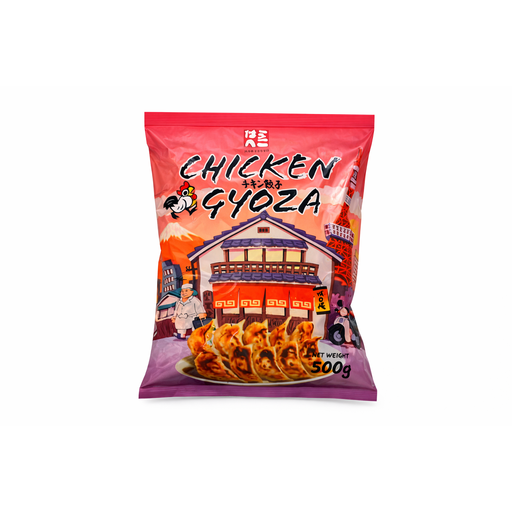
Why it’s a good fit: A manageable pack for anyone who wants to prepare chicken gyoza quickly at home without buying several kilos at once.
The cooking instructions specify pan-frying, deep-frying and steaming from frozen. There’s no need to thaw the dumplings first.
500 g pack; 147 kcal and 7.16 g protein per 100 g according to the product information.
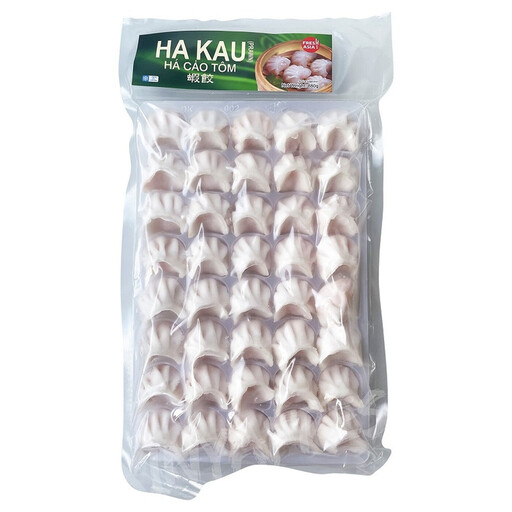
Why it’s a good fit: A sophisticated choice for creating a dim sum experience at home with shrimp dumplings and a translucent wrapper.
The product information explicitly lists steaming as the cooking method and states that the filling content is 55%, of which 45% is shrimp.
880 g contents; 8 g protein and 1.2 g salt per 100 g according to the stated nutrition information.
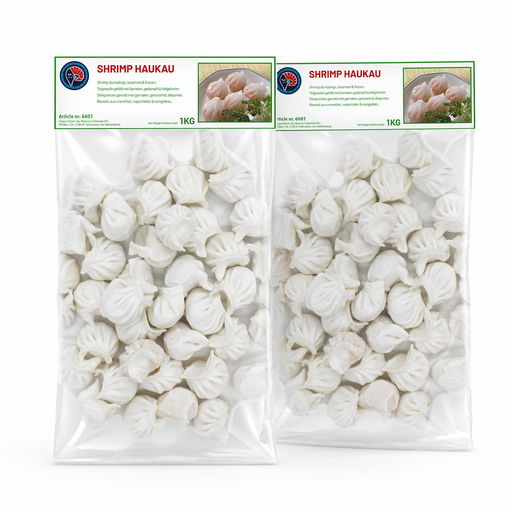
Why it’s a good fit: Two 1 kg bags are ideal for families, dinner parties or anyone who regularly serves ha kau.
The product information refers to IQF packaging. When the order arrives, still check that the products have remained frozen.
Per 100 g: 153 kcal, 5.6 g protein and 1.1 g salt according to the product information; designed for steaming.
Explore a current selection of Asian dumplings with a range of fillings, pack sizes and cooking methods.
Don’t automatically thaw dumplings before cooking. The dough may soften and stick together. Also check that the filling is fully cooked before serving.
You can with many types of gyoza. First fry them in oil, then cook them with water under a lid. Follow the instructions for the specific brand, as cooking times and the amount of water required vary between products.
Store unopened dumplings at the temperature stated on the packaging and observe the indicated best-before date. After thawing, keep them refrigerated and use them within the specified period. Refreezing is not recommended.
Gyoza are generally Japanese dumplings with a thin dough wrapper and are often pan-fried or steamed. Ha kau, also known as hakau, are Chinese dim sum dumplings with a typically translucent wrapper and shrimp filling. The exact ingredients and cooking method vary by brand.
