
Same-day & Next-day Delivery

Quality Guaranteed

Unlock Your Welcome Offers: FREE Delivery | Up to 80% OFF | Free 30-day JoyPlus trial
Download the APP
Frozen dumplings are ideal for a quick meal, a dim sum lunch or a pan-fried snack. However, Chinese dumplings, gyoza, ha kau and mandu can differ considerably in terms of filling, size, allergens and preparation. An appealing photo or claim such as “authentic flavour” does not tell you everything.
The most common disappointing purchases come down to three pitfalls:
By checking the label, portion size and cooking method carefully, you can make a more informed choice from the range of Asian frozen foods.
Start by checking the ingredients list. Pay attention to the percentage of the main ingredient. According to the product information, the Freshasia Whole Prawn Egg Dumpling 500g contains 22% prawns and 20% egg. This ha kau also contains fish, soya, sesame and wheat as ingredients or allergens.
Prawn dumplings may also contain other ingredients. For example, the Mooijer Ha Kau Shrimp Dumpling - 500 g lists 25% prawns, 8% fish, bamboo shoots, wheat, soya and sesame. For anyone with an allergy, the information on the packaging is the definitive source, as recipes and product details can change.
If you prefer meat, you could choose chicken gyoza or pork dumplings. According to the listed ingredients, Khy Chicken Gyoza - 500 g contains wheat flour, cabbage, chicken, onion, leek, soya protein, garlic and ginger, among other ingredients. With pork dumplings such as the MENGFU Pork and Celery Raviolis 400g, you should also look out for celery, fish and soya alongside wheat.
Not every dumpling produces the same result in the same pan. Check whether steaming, frying or boiling is recommended.
Do not automatically defrost dumplings beforehand. Several products are specifically designed to be cooked straight from the freezer. Follow the instructions on the packaging and never eat raw frozen dumplings.
A 400 to 500 g pack is generally suitable for a smaller meal, a party snack or an accompaniment to noodles and vegetables. For a family or household that eats dumplings more regularly, a multipack may be more practical. Khy Chicken Gyoza is also available as 3 x 500 g, while Mooijer Ha Kau Shrimp Dumpling is offered as 2 x 500 g.
As well as the total weight, consider how the product is packaged. Individual packs are useful if you do not want to prepare everything at once. Store frozen products at the temperature stated on the packaging, generally -18 °C or below, and do not refreeze a defrosted product.
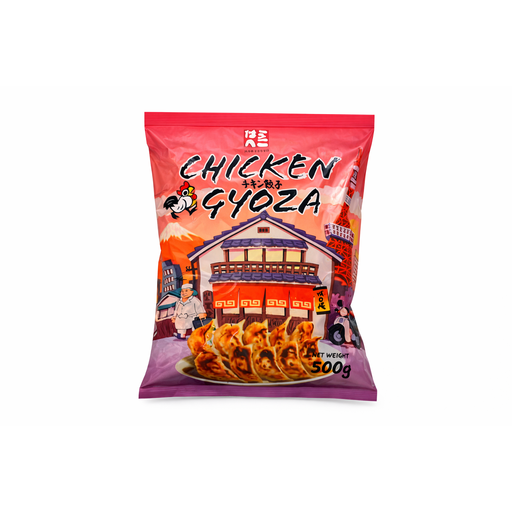
Why it suits this profile: Clear packaging information and three straightforward cooking methods make this a practical introduction to chicken gyoza.
The instructions give specific times for pan-frying, steaming and deep-frying, so there is no need to guess.
500 g; 147 kcal per 100 g according to the product information; suitable for cooking without defrosting.
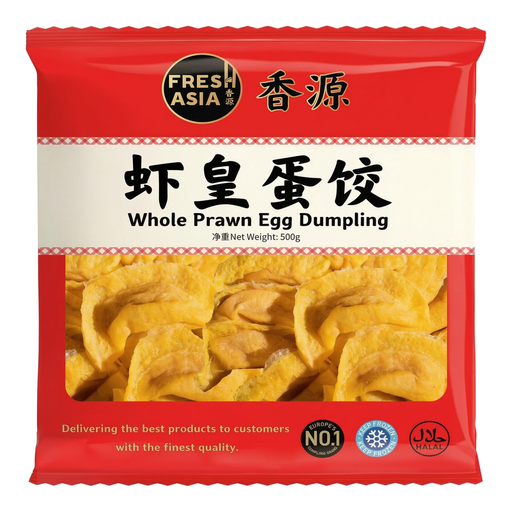
Why it suits this profile: If you are looking for a primarily steamed dim sum experience, the product description states that this dumpling contains whole prawns and an egg-based wrapper.
The cooking instructions are specific: steam from frozen for 8 to 10 minutes.
500 g; 22% prawns and 20% egg according to the ingredients list; can also be used in soup.
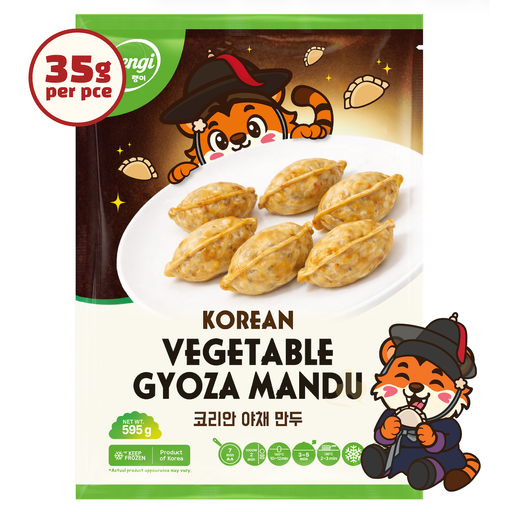
Why it suits this profile: According to the product information, this Korean vegetable mandu contains onion, leek, cabbage, tofu, soya protein and shiitake, among other ingredients.
The ingredients list clearly sets out the plant-based filling. If you have an allergy, always check the current packaging.
595 g; suitable for steaming, boiling, pan-frying, deep-frying and air frying according to the product description.
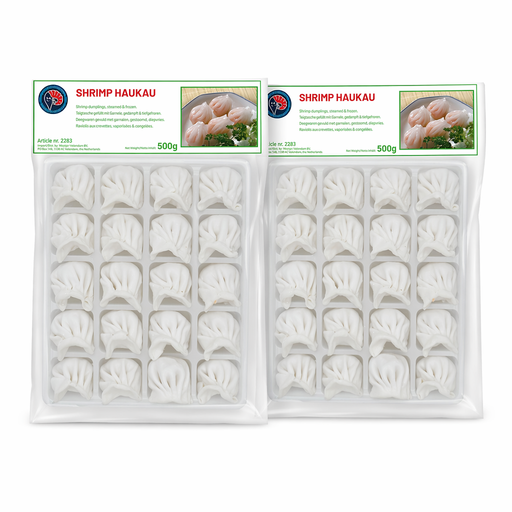
Why it suits this profile: The twin pack is ideal for families, dim sum enthusiasts and households that like to keep a supply in the freezer.
With two 500 g packs, you can store one and prepare the other straight away.
Total: 1 kg; recommended steaming time of 8 to 10 minutes; 25% prawns according to the product information.
We have put together a complete, up-to-date list of products that fully meet these strict selection criteria and the applicable European safety regulations.
Yes, many frozen dumplings can be cooked straight from the freezer. Boil them in plenty of boiling water and follow the cooking time on the packaging. For various products, this is approximately 5 to 7 minutes. Check that the filling is fully cooked and piping hot before serving.
Heat a little oil, fry the frozen dumplings until the underside is browned, then add a little water. Cover the pan so that the dumplings continue cooking through the steam. Remove the lid once the water has evaporated. This method works particularly well for gyoza, but exact cooking times vary from product to product.
Store them continuously at the temperature stated on the packaging, usually -18 °C or below, and use them before the stated date. After defrosting, follow the instructions on the label and do not refreeze the product. Keeping the packaging sealed also helps to prevent freezer burn and loss of quality.
