
Same-day & Next-day Delivery

Quality Guaranteed

Unlock Your Welcome Offers: FREE Delivery | Up to 80% OFF | Free 30-day JoyPlus trial
Download the APP
Whether you're craving a quick meal after a long day at work or want to serve a platter of Asian appetisers at a party, frozen dumplings are a lifesaver. However, the selection is vast, and not every bag from the freezer aisle is a winner. Many packages promise an authentic taste, but the reality is sometimes a disappointing, doughy bite. As a Joybuy Product Recommendation Officer, I'll help you recognise the common pitfalls so you can make the right choice with confidence.
Before you proceed to ordering dumplings, it's wise to know what to look for. There are a few persistent issues that can spoil your purchase:
By paying attention to a few key specifications, you can easily bypass these problems and find a product that truly delivers on its promise.
To avoid disappointment, there are a few objective criteria you can check before adding a product to your basket. These specifications say more than any marketing claim.
A good dumpling has a generous, flavourful filling. The key to assessing this is the ingredient list. Manufacturers are required to state the percentages of the main ingredients. Look for clear indications like Pork (22%) or Chicken (26%). A higher percentage generally indicates a fuller flavour and better texture. This applies to both Chinese dumplings and Japanese dumplings (gyoza), although the ratios may differ.
The dough is just as important as the filling. It determines the texture and which cooking method the dumpling is best suited for.
Japanese dumplings typically have a thinner wrapper, which makes them ideal for pan-frying. The bottom becomes crispy, while the top remains soft from steaming.A reliable brand is transparent about what's in its product. Instead of "vegetables," look for specific ingredients like "cabbage," "spring onion," or "chives." This also applies to vegetarian gyoza; a mix of shiitake, tofu, and specific vegetables is more promising than a generic "vegetable mix." Brands like Ajinomoto gyoza and Bibigo are often known for their clear specifications. For those looking for chicken dumplings, it's good to see if chicken skin is also used, which affects the juiciness and fat content.
Based on these objective criteria, we have selected a number of products that suit different needs and preferences.
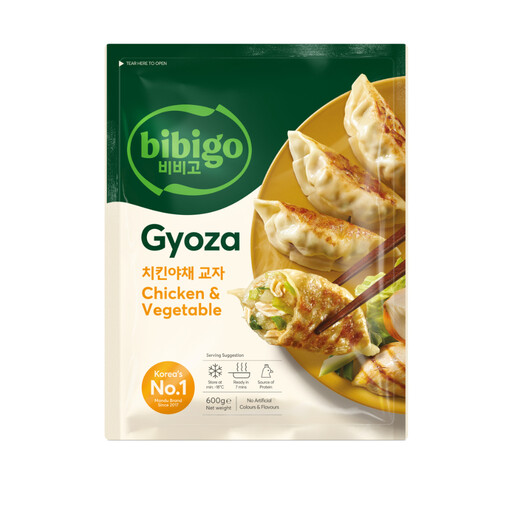
Why This Fits Their Persona: For those who need a quick, reliable, and flavourful meal. Bibigo is a well-known brand that offers consistency. These gyoza are ready in minutes and are versatile to use.
The ingredient list is specific, with Chicken (26%) and Cabbage (21%), which avoids the pitfall of vague ingredients and a poor filling-to-dough ratio.
Quick to prepare (pan-fry, steam, or boil). The thin gyoza wrappers are ideal for pan-frying to achieve a crispy bottom.
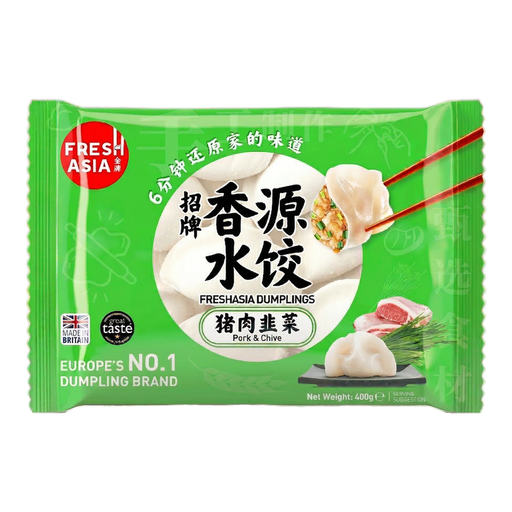
Why This Fits Their Persona: For those seeking a classic, homemade taste. The combination of pork and chives is a traditional favourite in Chinese cuisine.
The product description highlights "thin wrappers and a generous filling," which addresses the filling-to-dough imbalance. The percentages (Pork 22%, Chives 14%) confirm this.
Authentic flavour combination. Suitable for boiling, steaming, and pan-frying, allowing you to customise the texture to your preference.
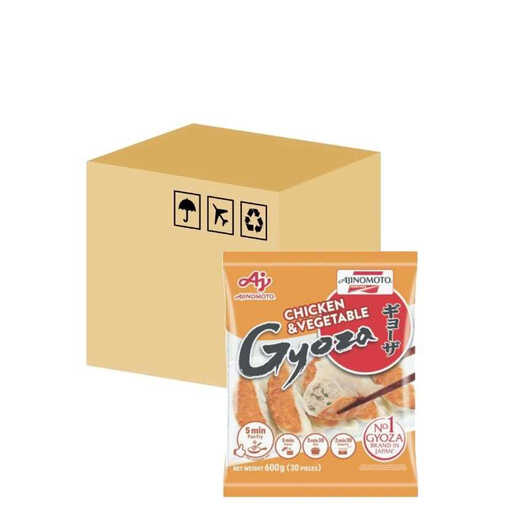
Why This Fits Their Persona: Ideal for restaurants, caterers, or large families looking for an efficient and cost-effective solution. This `wholesale dumplings` pack ensures you always have a supply on hand.
By buying in bulk from a reputable brand like Ajinomoto, you ensure consistent quality and flavour, avoiding the risk of a large batch of a subpar product.
Cost-effective due to the bulk packaging (10 x 600g). The gyoza are versatile and can be pan-fried, steamed, or boiled, offering flexibility in the kitchen.
We have compiled a complete, up-to-date list of products that fully meet these strict selection criteria and current regulations.
The ideal cooking method depends on the type of dumpling and your personal preference.
Although the terms are often used interchangeably, there are slight differences. Gyoza are the Japanese version. They usually have a thinner wrapper, a finer filling (often with pork, cabbage, and garlic), and are traditionally pan-fried and steamed. Chinese dumplings (jiaozi) are a much broader category with countless regional variations in filling, shape, and dough thickness. They can be boiled, steamed, or pan-fried.
Absolutely. The key to a flavourful vegetarian gyoza or dumpling is a filling with umami-rich ingredients. Look for products that contain ingredients like shiitake mushrooms, tofu skins (yuba), or flavourful vegetables like leeks and chives. A product like the Freshasia Dried Tofu and Leek Dumplings is a good example of a vegetarian option with a complex and satisfying flavour. Don't forget the dipping sauce; a good sauce can elevate any dumpling.
