
Same-day & Next-day Delivery

Quality Guaranteed

Unlock Your Welcome Offers: FREE Delivery | Up to 80% OFF | Free 30-day JoyPlus trial
Download the APP
A bag of frozen dumplings seems easy enough to choose, until you find yourself standing in front of the freezer aisle. Should you go for gyoza, mandu or Chinese dumplings? Which filling suits your diet? And will the dough stay intact during cooking?
The biggest buying mistakes usually come down to three common pitfalls:
Start with the ingredients, rather than relying solely on the photo or product name. Examples from the range include:
On EU packaging, the main allergens must be clearly indicated. The product information provided mentions wheat/gluten, soya, sesame, egg, celery, fish and shellfish, among others. If you have an allergy, always refer to the full ingredients list on the packaging. Also check the warning about possible cross-contamination.
Thin dough with a generous filling offers a different eating experience from a product containing relatively more dough. Some product descriptions include a quantitative ingredients declaration. For example, according to the product specification, Sanquan Chinese Chive & Egg Dumplings contain at least 45% filling. Other products specify individual ingredients, such as 25% pork and 15% chives in FRESHASIA Pork & Chive Dumpling.
These percentages are useful for comparing products objectively. They do not tell you everything about the taste, but they do help turn marketing claims into information you can verify.
Most frozen dumplings do not need to be defrosted. Defrosting can make the dough sticky or cause it to tear. Cook them straight from the freezer unless the packaging says otherwise.
Common methods include:
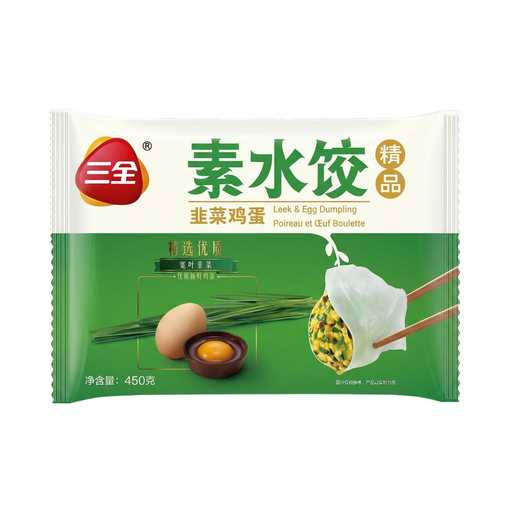
Why it suits this profile: These Chinese dumplings offer a classic combination of chives and egg in a 450-gram pack. They are suitable for boiling, steaming or pan-frying.
The product information states that it contains at least 45% filling and provides specific cooking times. This means you do not have to rely solely on vague marketing terms.
450 grams; at least 45% filling; suitable for boiling, pan-frying and steaming.
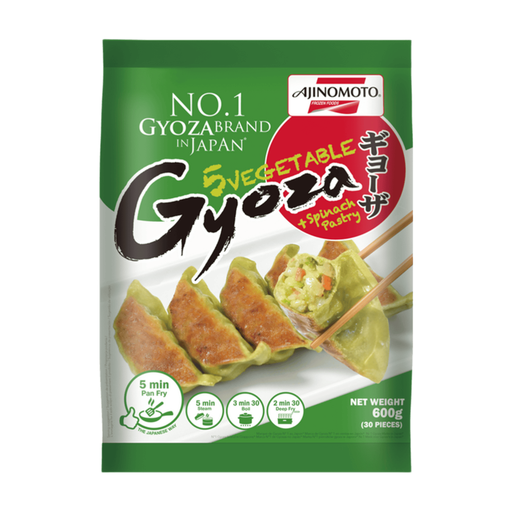
Why it suits this profile: These Japanese gyoza have spinach dough and a vegetable filling. According to the product description, this variety is suitable for vegetarians and vegans.
The product information lists the vegetable ingredients and allergens separately. If you follow a strict diet, always check the current label.
600 grams; 55% vegetables according to the product information; spinach powder in the dough; suitable for pan-frying.
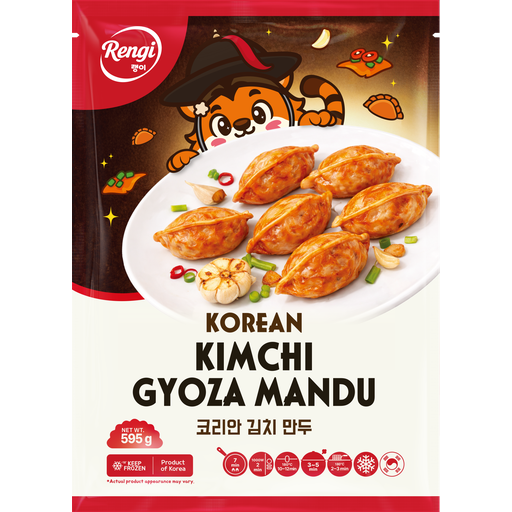
Why it suits this profile: These Korean mandu are filled with kimchi and, according to the product instructions, can be steamed, boiled, fried, deep-fried or cooked in the air fryer.
The packaging offers several cooking methods and states that, according to the product description, each mandu contains twice as much filling as a standard variety.
595 grams; kimchi clearly listed as an ingredient; five cooking methods; ideal for fans of a savoury, spicy flavour.
Before checking out, go through these points:
We have put together a complete, up-to-date list of products that fully meet these strict selection criteria and the applicable European safety regulations.
Usually not. Boil, steam or fry them straight from the freezer according to the packaging. Defrosting can make the dough softer and more fragile.
Follow the use-by or best-before date and keep the packaging frozen continuously. Once defrosted, store the product in the fridge according to the instructions and use it within the stated period. Do not refreeze it.
Gyoza generally refers to Japanese dumplings with thin dough, often prepared in a frying pan. Mandu is the Korean term and is sold in various shapes with a wide range of fillings. Chinese dumplings are a broad category that includes boiled, steamed and fried varieties. The exact shape, filling and cooking method vary from product to product.
