
Same-day & Next-day Delivery

Quality Guaranteed

Unlock Your Welcome Offers: FREE Delivery | Up to 80% OFF | Free 30-day JoyPlus trial
Download the APP
Frozen dim sum is a convenient option for a quick breakfast, a light lunch, a snack, or a full dim sum meal at home. You simply take siu mai, bao buns, xiao long bao, wontons and other Chinese treats from the freezer and prepare them, usually straight from frozen.
However, not every pack is equally suited to your situation. A product may look generously filled in the photo, yet the portion size could be small. Cooking methods also vary widely: some items need to be steamed, others boiled or pan-fried. Keeping these points in mind will help you avoid a disappointing purchase.
Always check the net weight and the number of pieces. A 240g pack might contain, for example, four larger siu mai, while another 300g bag could consist of several smaller dumplings. So don't just look at the weight – also consider the portion size and when you plan to eat them.
For a single-person snack, small portions are practical. For a family or a dim sum platter, you may need multiple packs or a selection box.
Many Asian frozen products can be cooked straight from the freezer, but the method differs from product to product. When steaming dim sum, the water must first come to the boil and you need to leave enough space between the pieces. If you put too many in the basket at once, the dough may cook unevenly.
Also check whether defrosting is actually advised against. Defrosted dumplings can stick together or lose their shape. Raw filling and raw dough must not be eaten; always heat the product according to the instructions on the pack.
Chinese dumplings often contain wheat, soya, sesame, egg, milk, shellfish or molluscs. Always check the ingredients list and allergen information, especially with a mixed dim sum box. Even vegetarian products may contain wheat or soya, for example.
Also look out for differences in flavour and composition. A siu mai with glutinous rice and vegetables is quite different from a pork version. A bao bun can be sweet, savoury, or filled with char siu.
Most products in this selection need to be stored at -18 °C or below. Check that the pack stays frozen during delivery and put the products straight into your freezer once they arrive. Once defrosted, you should generally not refreeze them according to the product information.
With products that have a short cooking time, it's tempting to throw the packaging away. So keep the cooking instructions until everything has been prepared.
Cooking time depends on size, filling and dough. Examples from the product information:
A microwave can be an option for some products, such as certain siu mai. Steaming generally gives you more control over the dough and prevents a thin wrapper from drying out.
Look at the quantitative ingredient information when it's available. For example, a product might state the percentage of pork, prawns, beef or mushroom. That gives you more certainty than phrases like "richly filled" on the front.
Origin varies from item to item. The range includes products from China, the United Kingdom, Spain and the Netherlands, among others. Use the country of origin as a practical comparison point, not as a guarantee of taste or quality. The final choice depends on your preferred filling, texture, cooking method and dietary requirements.
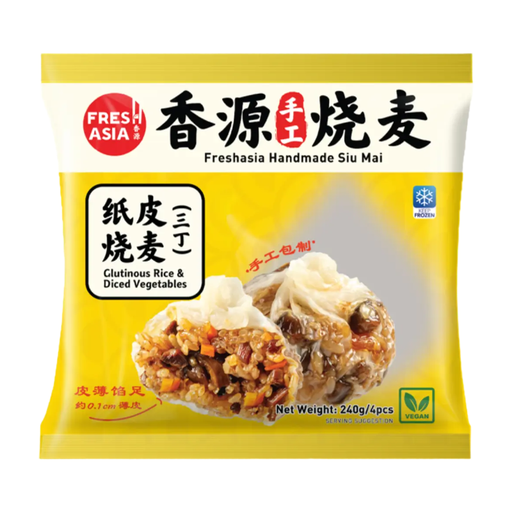
Why this suits the profile: This four-piece portion is easy to manage for anyone trying frozen dim sum for the first time or looking for a small snack. The filling includes glutinous rice, bamboo shoot, shiitake, carrot and onion.
The number of pieces, the 240g weight and the cooking time are all clearly specified. This means you can judge the portion size in advance.
Steam straight from the freezer; ready in around 8 to 10 minutes after the water has boiled. Contains a vegetable and rice filling.
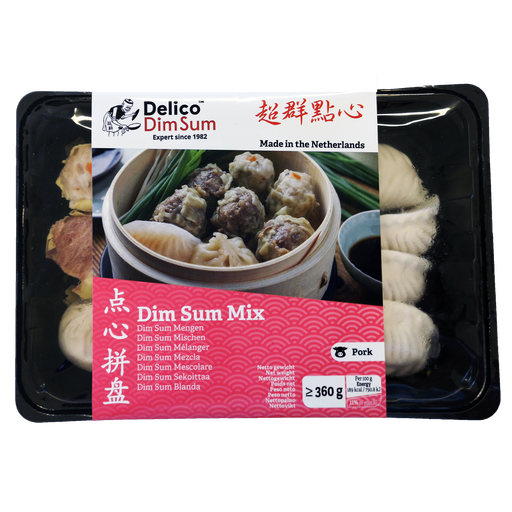
Why this suits the profile: A selection box is practical if you want to serve different textures and fillings side by side. The box contains har gow, beef and pork siu mai, and xiao long bao.
The product information lists the four types and the main filling percentages. This means you don't have to rely solely on the pack photo.
Four varieties in one pack; all items are steamed from frozen according to the product information.
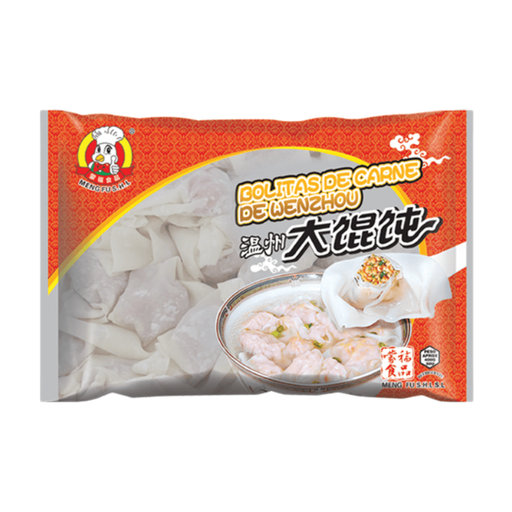
Why this suits the profile: These larger wontons are designed for boiling in water and work well in noodle soup, broth or a quick meal. The filling states 46% pork.
The preparation is specific: do not defrost, but boil for approximately 6 to 7 minutes. That makes it suitable for a fixed meal plan.
Large wontons with pork filling; suitable for boiling without prior defrosting.
We've put together a full, up-to-date list of products that fully meet these strict selection criteria and comply with current European safety regulations.
With many siu mai, bao buns and xiao long bao, yes. Always check the instructions on the pack. Often you place the products in the steamer basket only after the water has boiled. Use baking paper with holes or a lightly greased base to prevent sticking.
Store the products at -18 °C or below and follow the best-before date on the pack. Once defrosted, you must not refreeze them. Ideally, prepare an opened product straight away, as the packaging may give different storage instructions depending on the item.
Siu mai are open dumplings with a thin wrapper. Bao buns have a soft, steamed dough wrapped around the filling. Gyoza are often pan-fried and have a thin, sealed dough layer. Wontons are usually boiled or served in soup. Xiao long bao are recognisable by their soupy filling and the need to eat them carefully after steaming.
