
Same-day & Next-day Delivery

Quality Guaranteed

Unlock Your Welcome Offers: FREE Delivery | Up to 80% OFF | Free 30-day JoyPlus trial
Download the APP
Quickly serving an authentic Asian meal without spending hours in the kitchen. That's the promise of frozen dim sum. But anyone who has ever bought a bag of dumplings knows that the reality can be disappointing. A thick, doughy wrapper with a frustratingly small amount of filling, or a flavour that bears no resemblance to what you'd get in a restaurant.
As a Joybuy Product Recommendation Officer, I'm here to help you see through the marketing hype. Before you buy dumplings or other Asian appetisers, it's helpful to know what to look for. This will help you avoid the most common mistakes and ensure you get real value for your money.
To ensure you make a good purchase, there are a few objective specifications you can check. These are usually listed right on the packaging or in the online product description.
A good indicator of quality is the amount of filling. Reputable brands often state the percentage of the main ingredient. Look for specifications like "pork 25%" or "prawns ≥19%". A higher percentage typically means a fuller flavour and a better texture. Products without this specification may be hiding a lower-quality filling.
Not all dim sum are created equal. The shape and dough determine the best cooking method and the final eating experience.
By choosing the right type for your desired meal—whether you're looking for a quick snack, an easy Asian meal, or an addition to your hot pot—you'll get the most out of your product.
Below are some popular choices, matched to different preferences. This selection is based on clear product specifications and the intended use case.
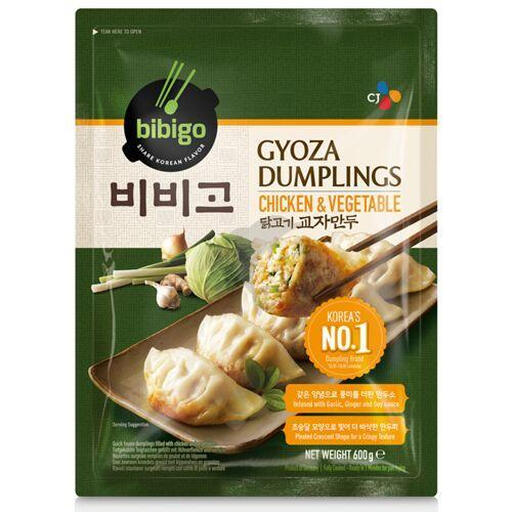
Why This Fits Their Persona: Ideal for busy professionals or students who want a flavourful meal in a hurry. These gyoza from the well-known brand Bibigo are ready in minutes in a pan and offer a balanced filling that appeals to many.
Bibigo clearly specifies the contents, so there are no surprises. The flavour is consistent and developed for a broad audience without being bland.
Contains 26% chicken and a mix of five vegetables, including cabbage and onion. The gyoza shape is perfect for the pan-fry method (crispy on the bottom, soft on top).
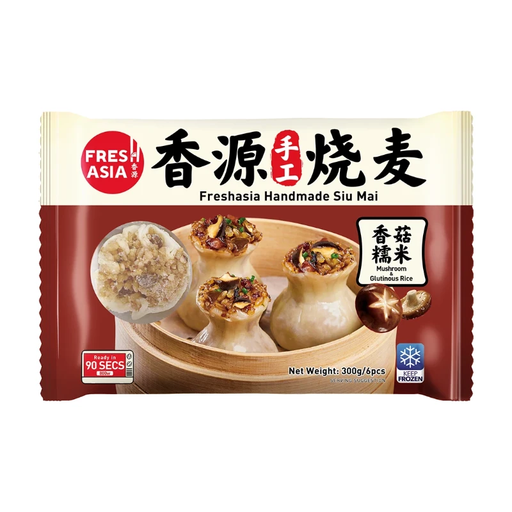
Why This Fits Their Persona: For those who want to recreate the authentic Cantonese dim sum experience at home. Siu mai is an essential part of any dim sum meal, and this version with glutinous rice and mushroom offers a traditional, savoury flavour.
This isn't a generic dumpling, but a specific dish. The focus on a classic filling of glutinous rice and mushroom avoids the pitfall of a vague, Westernised taste.
The combination of mushroom (6%) and glutinous rice provides a rich texture and aroma. The siu mai is designed for steaming, which guarantees the authentic soft texture.
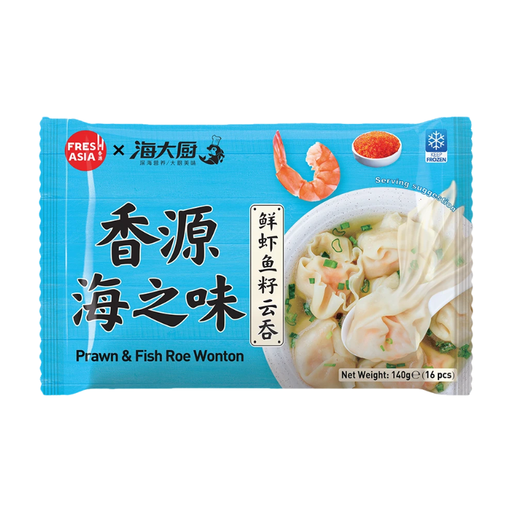
Why This Fits Their Persona: Perfect for those who love making wonton soup or want to add an extra element to a hot pot. With their thin wrappers, wontons are specially made for broth, and this premium version will elevate your soup to the next level.
This product not only delivers a high-quality wonton but also includes a soup base. This prevents the disappointment of a watery, flavourless broth, a common problem with homemade wonton soup.
The filling contains a high percentage of seafood (≥19% prawn and ≥4.3% fish roe) for a layered, umami flavour. The included soup packet makes preparing a complete meal extra easy.
We've curated a complete, up-to-date list of products that meet these selection criteria.
Yes, this is an excellent method for a crispy result, similar to pan-frying. Arrange the dumplings in the basket, making sure they don't touch, and lightly spray them with oil. Cook them at around 180°C (350°F) for 10-12 minutes. Shake the basket halfway through for even cooking.
Always store frozen dim sum in its original, tightly sealed packaging in the freezer at a temperature of -18°C (0°F) or lower. Once thawed, the products should not be refrozen. Cook them immediately.
While they all fall under the "Asian appetisers" umbrella, there are clear differences:
