
Same-day & Next-day Delivery

Quality Guaranteed

Unlock Your Welcome Offers: FREE Delivery | Up to 80% OFF | Free 30-day JoyPlus trial
Download the APP
Frozen Chinese dumplings are a handy option for a quick meal, but the packaging doesn't always tell the full story. A large bag might look like good value, yet the amount of filling, allergens and cooking methods can vary significantly. If you buy Chinese dumplings without comparing, you could end up with too few portions, a soggy wrapper, or a flavour that doesn't suit your household.
With this guide, you can compare frozen dumplings using verifiable information. That way, you can make a more informed choice between beef, pork, vegetable, gyoza and other Asian dumplings.
Dumplings are often available in 400g or 600g bags. Don't just look at the total weight – also check the price per 100g and the proportion of filling. A 600g pack may be more suitable for a family, while a 400g bag is more practical for one or two people.
Also, check whether a bundle really contains only dumplings. Some packs combine dumplings with other products, such as rice balls or siu mai. That can be appealing, but it's less suitable if you're specifically looking for one type of dumpling.
Words like "traditional", "handmade" or "juicy" describe a style or expectation, but they don't give you the full product information. Pay attention to the quantitative ingredient declaration – that is, the percentage of key ingredients. For example, certain varieties contain 23% to 30% pork or beef, while vegetables such as Chinese cabbage, onion or chives make up an additional proportion.
According to the brands' own information, some dumplings are made using traditional techniques. That's a description from the manufacturer, not an independent quality assessment. So use the ingredients, nutritional values, allergens and cooking instructions to compare instead.
You generally don't need to thaw frozen dumplings first. Thawing can cause the dough to stick together or tear. Always check the label: most products should be cooked, steamed or fried straight from the freezer and are not suitable for eating raw.
First, choose the filling that suits your meal:
The order of ingredients is practically important: what's listed first is generally present in the largest quantity in the recipe. Also look out for seasonings such as soy sauce, sesame oil and spices.
Many Asian dumplings contain wheat/gluten, soya and sesame. Some products also contain egg or shellfish. Check the allergen information on the product page and the packaging, especially if you're cooking for several people.
Compare per 100g:
Nutritional values vary considerably depending on the recipe. For instance, different products list around 186 to 227 kcal per 100g, while the salt content varies by variant. The packaging at the time of delivery remains definitive, as recipes and labels can change.
Most selected products should be stored at -18 °C or lower. Place them in the freezer as soon as possible after delivery and do not refreeze a thawed product. A 400g bag works well for a smaller meal; 600g packs are more convenient for families or multiple eating occasions.
The cooking method determines the texture:
Serve them with soy sauce, black rice vinegar, chilli sauce or a simple cucumber salad. Always cook raw frozen products thoroughly according to the instructions.
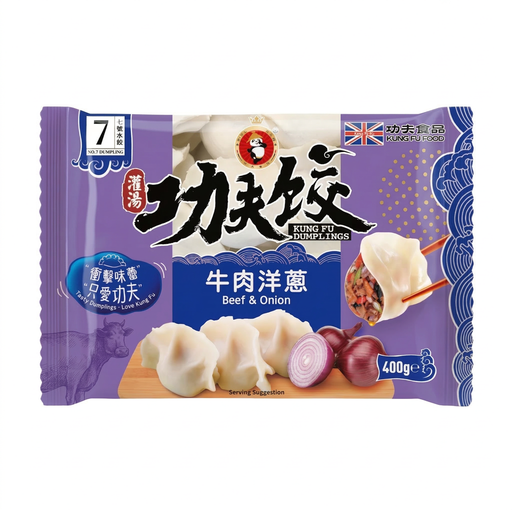
Why this fits the profile: A straightforward 400g pack with beef and onion for a first introduction to frozen Chinese dumplings.
The weight, ingredients and nutritional values are clearly stated, so you don't have to rely solely on flavour claims.
55% filling according to the product information; suitable for boiling, steaming and pan-frying.
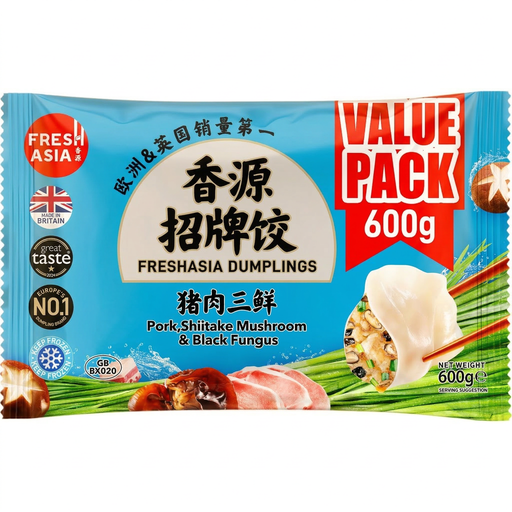
Why this fits the profile: A larger pack with multiple layers of flavour from pork, shiitake and black fungus.
The product information lists the percentages of pork, black fungus and shiitake, so the composition remains verifiable.
600g; boiling, steaming and pan-frying; allergens such as wheat, soya, sesame and shellfish are listed.
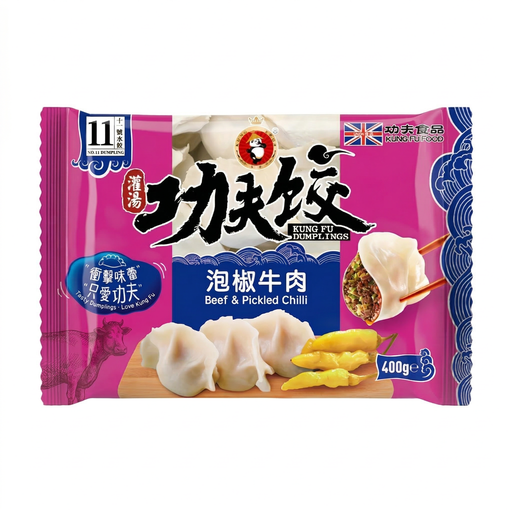
Why this fits the profile: For those looking for a spicier option instead of a classic filling with just onion or cabbage.
The pickled chilli pepper is clearly stated in the description, so the bold flavour won't come as a surprise.
400g; beef and pickled pepper; suitable for boiling, steaming and pan-frying from frozen.
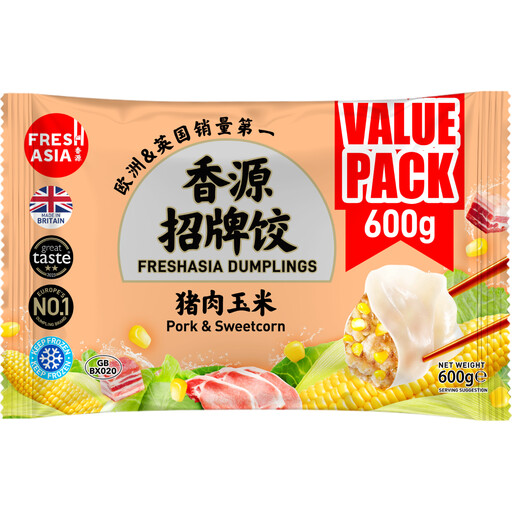
Why this fits the profile: The combination of pork and sweetcorn is accessible for different eaters and works well for a quick family meal.
The packaging states 23% pork and 11% sweetcorn, plus a storage temperature of -18 °C or lower.
600g; can be cooked straight from the freezer; suitable for boiling, steaming and pan-frying.
We've put together a full, up-to-date list of products that fully meet these strict selection criteria and comply with current European safety regulations.
Usually not. Many products are designed to be cooked, steamed or fried straight from the freezer. Always check the cooking instructions on the packaging and do not refreeze a product once it has been thawed.
It varies by product, but many Chinese dumplings are cooked in about 5 to 8 minutes in boiling water. Floating is an indication, not a substitute for the instructions. Check that the filling is piping hot all the way through before serving.
That depends on the pack, the weight and the amount you serve per person. So compare the price per 100g and factor in any extra portion of vegetables, broth or rice. A 600g bag can work out more economical for a household, while 400g leaves fewer leftovers.
