
Same-day & Next-day Delivery

Quality Guaranteed

Unlock Your Welcome Offers: FREE Delivery | Up to 80% OFF | Free 30-day JoyPlus trial
Download the APP
Frozen Chinese dim sum makes a quick meal or snack easy to prepare. However, not every pack is comparable. A product may look artisan-made on the packaging, yet still require plenty of preparation at home. Portions can also be smaller than expected, and allergens may be overlooked.
With this guide to frozen Chinese dim sum, you can focus on the information that really matters. That makes it easier to choose between Chinese dumplings, bao buns, siu mai, wontons, gyoza and other frozen Asian snacks.
Words such as “authentic”, “handmade” or “restaurant-style” say little about the contents on their own. Instead, look at the ingredients list, the stated filling percentage, the country of origin and the preparation method. For example, delico Dim Sum Assortment states the proportion of meat or prawn for each variety. This gives you more useful information than simply relying on an appealing image on the packaging.
Brand information about flavour or production methods is not independent evidence. Therefore, frame such claims as: according to the brand’s product description. The verifiable details are the ingredients, nutritional values, contents and instructions.
Some Chinese dumplings can be boiled, steamed or pan-fried straight from frozen. Other products must first be fully defrosted. According to the product instructions, FRESHASIA Exploding Juice Beef Balls must be completely defrosted before cooking, while Meng Fu Wenzhou Large Wontons can be placed in boiling water without defrosting.
Using the wrong preparation method can result in a cold centre, torn dough or an uneven texture. Always follow the instructions on the packaging, even if you have prepared a similar product before.
A 600-gram bag may seem like good value, but also check how many pieces it contains and what type of filling they have. A smaller pack with a more concentrated filling may be better suited to a snack than a large bag intended for a family meal. Also check the use-by date, freezer conditions and the instruction do not refreeze after defrosting.
When preparing dim sum at home, the cooking method is the first practical consideration.
For raw dough products, the instructions generally state that they must be heated thoroughly before consumption. A core temperature of above 70 °C is given as a guideline for some products.
A thin dough wrapper offers a different eating experience from a firm, thick wrapper. Check the stated filling percentage and the main ingredients. According to the product information, Sanquan Chinese Chive & Egg Dumplings contain at least 45% filling. FRESHASIA Shrimp Dumpling states that it contains 55% filling, of which 45% is prawn.
For breakfast or lunch, Chinese steamed buns with a substantial filling are a practical choice. For entertaining, you may prefer smaller siu mai, wontons or dumplings. If you want to try several flavours, consider an assortment such as delico Dim Sum Assortment.
Many dim sum products contain wheat, gluten, soya, sesame, egg, milk or shellfish. Check the allergens highlighted in bold on the packaging, even if you have bought the same brand before. The ingredients may differ between varieties in an assorted product.
As a general rule, store frozen Chinese dim sum at -18 °C or below, following the stated storage instructions. Keep any interruption to the cold chain as short as possible and do not refreeze defrosted products. Product details and packaging information take precedence if the online description differs from the label.
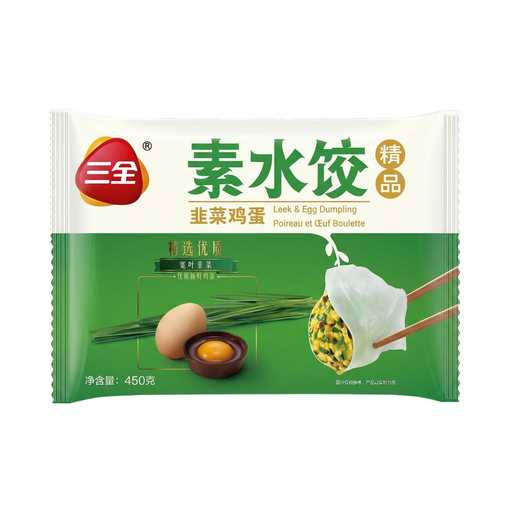
Why it suits this profile: A versatile pack for anyone preparing Chinese dumplings at home for the first time. You can boil, steam or pan-fry them.
The product information states a minimum filling content of 45% and gives three preparation options. This means you do not have to rely on vague marketing terms.
450 grams per pack; cooks in 5-6 minutes and is suitable for a pan or steamer basket. Contains wheat, egg and soya.
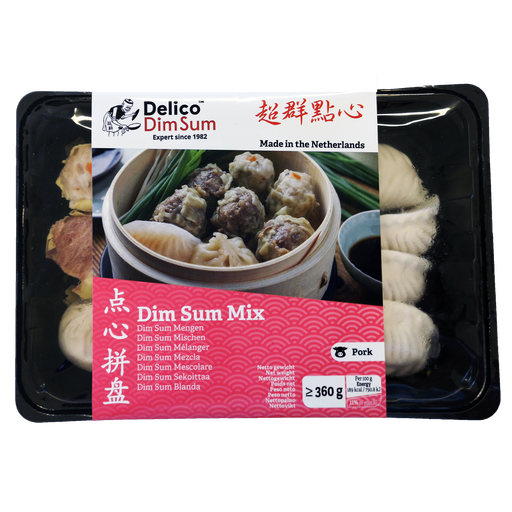
Why it suits this profile: Ideal if you want to serve several types of dim sum at home without buying multiple separate packs.
The product description specifies four varieties and their respective filling percentages. This makes the choice more transparent than an unspecified mixed pack.
Har gow, beef and pork siu mai and xiao long bao in one pack; according to the description, all varieties are individually frozen.
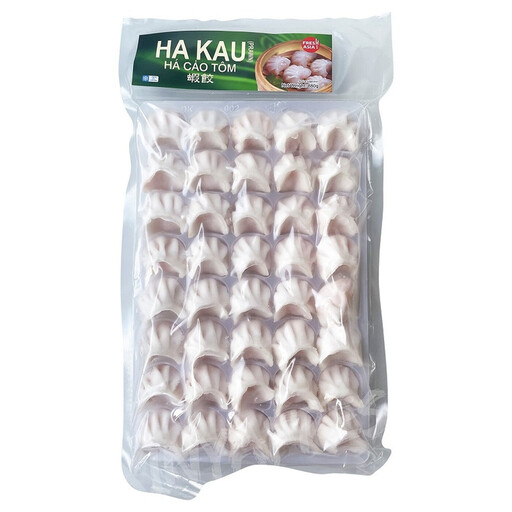
Why it suits this profile: A generous supply for households that regularly prepare dim sum, lunch or an Asian meal for several people.
The product description states a filling content of 55%, including 45% prawn, and provides clear storage information for -18 °C.
880 grams of product; thin, translucent dough wrappers and steam preparation. Please note: contains shellfish, wheat and sesame.
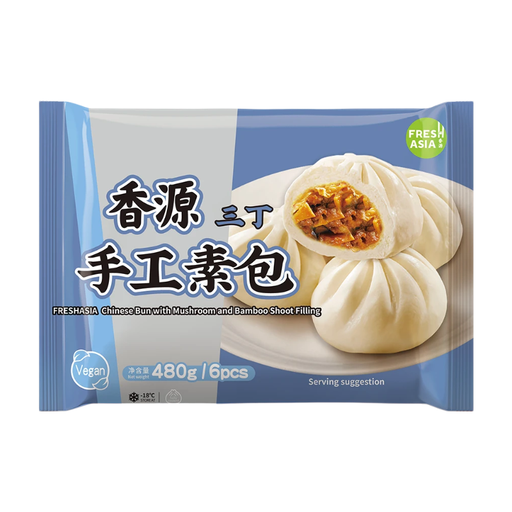
Why it suits this profile: For busy households looking to prepare a filling breakfast, lunchtime dish or hot snack using just a steamer basket.
The description states that the pack contains 480 grams, can be steamed straight from frozen and has a filling containing 12% bamboo shoot and 10% mushroom.
Prepared from frozen; according to the product information, 250 kcal per 100 grams. Contains wheat, soya and sesame oil.
We have put together a complete, up-to-date list of products that fully meet these strict selection criteria and the applicable European safety regulations.
Use a steamer basket lined with baking paper or with a lightly greased base to prevent sticking. Leave space between the products, as the dough expands during steaming. If stated in the instructions, start timing once the water has come to the boil.
When pan-frying, a medium heat is generally more practical than a high heat. This gives the base time to turn golden brown while the filling heats through. Products containing raw dough, such as some dumplings and siu mai, must not be eaten raw.
Often, but not always. Bao buns, siu mai and many dumplings are steamed straight from frozen according to their product instructions. Check the label: some products, such as certain meatballs, must be defrosted first.
Store the products at the stated temperature, usually -18 °C or below, and follow the use-by date on the packaging. Do not refreeze them after defrosting. The exact storage period may vary from one product to another.
Choose a larger pack of dumplings or prawn dumplings when several people are eating. For variety, an assortment containing different types of siu mai, har gow and soup dumplings is a practical choice. For a smaller snack, bao buns, wontons or a portion of Chinese steamed buns is often enough.
