
Livraison le jour même et le lendemain

Qualité garantie

Débloquez vos offres de bienvenue: Livraison GRATUITE | Jusqu'à -80 % | 30 jours d'essai gratuits à JoyPlus
Téléchargez l'application
Frozen chicken is convenient for families, meal preppers, barbecue enthusiasts and small catering kitchens. You always have a supply to hand and can choose from frozen chicken fillets, frozen chicken wings, whole frozen chicken and chicken thigh meat. However, a large pack may be less economical than expected if you do not pay attention to the contents, preparation and storage.
As a Joybuy Product Recommendation Officer, I filter the most important product information so that you can distinguish marketing language from verifiable specifications.
A bulk pack may look appealing, but always check whether the chicken is packaged in separate portions. A 2.5 kg bag that is completely frozen together is less practical for a household that cooks one meal at a time. IQF, meaning individually quick frozen, can make portioning easier.
Also pay attention to the liquid released after defrosting. The net weight on the label is what matters; an attractive price means little if you are mainly paying for liquid or unwanted parts.
Not all frozen chicken requires the same preparation. A roasted chicken fillet may already be cooked, while an ordinary chicken breast or chicken leg must be heated through completely. So check whether the product is raw, marinated, salted or already cooked.
With salted chicken fillet, you should also take the salt content into account. For example, Seara Salted Chicken Breast contains 1.22 grams of salt per 100 grams. This is a relevant specification if you plan to add your own herbs or sauce.
Frozen products should remain frozen during storage and transport. The product information for several items states that they are stored, packaged and transported chilled. When your order arrives, check that the packaging is intact and that the product still feels properly frozen.
Store chicken according to the label, generally at -18 °C or below. Defrost chicken in the fridge, use it within the stated period and do not refreeze it once it has been defrosted.
Choose the cut based on your dish:
For occasional use, 500 grams may be enough. A 1 kg pack is better suited to a family or several meals. For meal preppers and small catering businesses, packs of 2 to 5 kg are practical, provided you have enough freezer space.
A pack of 2 x 1 kg offers more flexibility than a single 2 kg bag. With a bulk pack of 2 x 2.5 kg, the total quantity is 5 kg, which may be particularly worthwhile for frequent use.
For unprocessed chicken, the ingredients list is often short. Examples in the range state 100% chicken or poultry and none of the 14 main EU allergens. You should always check this for each product; a marinated or pre-cooked product may contain additional ingredients.
Also compare the nutritional value per 100 grams. For example, an ordinary chicken fillet in the range states 24.7 grams of protein and 0.8 grams of fat per 100 grams. The roasted chicken fillet states 27.9 grams of protein, but also contains rice starch, dextrose, salt and other additives. These figures are verifiable, but they do not, on their own, tell you which choice best suits your cooking style.
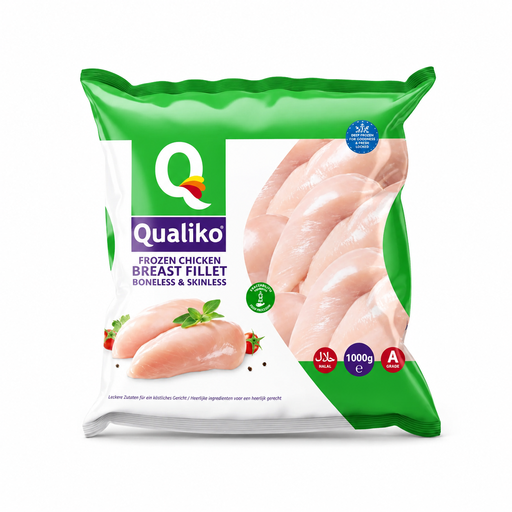
Why it suits this profile: The 1 kg pack is easy to manage for anyone who wants to buy frozen chicken fillets for a few meals. According to the product description, the fillets are frozen individually and suitable for the oven, grill, frying pan and slow cooker.
The individually frozen portions make it easier to defrost only the amount you need. The product lists chicken fillet as the ingredient and recommends storage at -18 °C.
1 kg contents; frozen individually; suitable for several cooking methods.
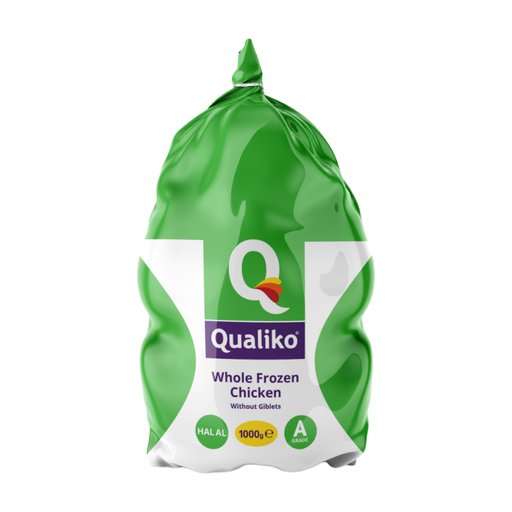
Why it suits this profile: A whole frozen chicken gives you the option of one roast and several other uses, such as meat for wraps or stock made from the carcass.
The product page states a clear net quantity of 1 kg, lists ingredients including whole chicken and provides specific storage instructions. No additional marinades or sauces are listed.
1 kg per piece; none of the 14 main EU allergens listed; multiple uses.
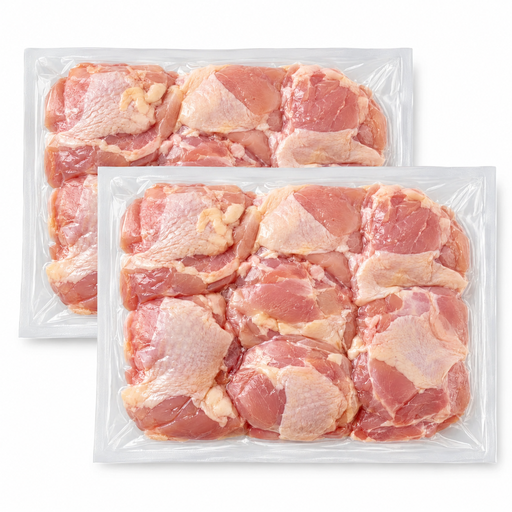
Why it suits this profile: The total 5 kg pack is well suited to meal prep, barbecue groups and small catering businesses that regularly need chicken thigh meat.
The product name specifies the cut, the skin and the total pack size. This makes it easier to judge whether it suits your freezer capacity and cooking method.
2 x 2.5 kg; boneless chicken thigh meat; with skin; 19.4 grams of protein per 100 grams according to the product information.
We have put together a complete, up-to-date list of products that fully meet these strict selection criteria and the applicable European safety regulations.
Always follow the manufacturer's label. The general product information for this frozen chicken states:
If you are looking for halal chicken, you should also explicitly check that halal certification and the responsible certifying body are shown on the product page or packaging. The word “chicken” alone is not proof of this.
That depends on the price per kilogram, the packaging and any delivery costs. A bulk pack can be cost-effective if you use chicken regularly, but only if you can use it in time and have enough freezer space. Also compare whether the product is raw, salted or cooked.
The shelf life is stated on the packaging. Keep chicken consistently at the specified freezer temperature and check the use-by date. Once defrosted, shorter time limits apply: keep the product chilled and use it according to the instructions. Do not refreeze a product once it has been defrosted.
Individually frozen chicken fillets are practical if you want to divide food into portions. For larger quantities, packs of 2 kg or more may be worthwhile, such as chicken thigh meat for several dishes. Ideally, choose packaging that can be resealed, or divide the chicken into meal-sized portions immediately after purchase before placing it in the freezer.
