
Vandaag of morgen in huis

Kwaliteit gegarandeerd

Welkomstaanbiedingen ontgrendelen: GRATIS bezorging | Tot 80% korting | Gratis 30 dagen JoyPlus-proefperiode
Download de app
Frozen chicken skewers are handy for a quick meal, a get-together or a barbecue. You can take just the number of portions you need out of the freezer, then cook them in a pan, oven, under the grill or in an air fryer. But not all chicken skewers are the same. Differences include the type of chicken, the amount of sauce, the size of each skewer and the cooking instructions.
If you only look at an appealing product photo or a flavour name such as teriyaki, you may get a surprise. Portions might be smaller than expected, the salt content could be high, or the product may contain allergens that don’t suit your dietary needs. Use the points below to compare frozen chicken skewers based on practical, checkable features.
“Grilled”, “Orleans” or “teriyaki” mainly describes the flavour or cooking method. So always check the percentage of chicken in the ingredients list. A product containing 65,4% chicken is quite different from a skewer containing 95% chicken, or one with a lot of added sauce.
Also check the type of chicken. Chicken breast may be leaner, while chicken thigh usually has a different texture and a richer flavour. Chicken skewers with bone or cartilage offer a different eating experience from minced chicken or smooth chicken balls.
Frozen chicken skewers usually need to be heated all the way through. Check the temperature, cooking time and whether the instructions say to cook the product from frozen. Some varieties specifically state that you don’t need to defrost them; other products mainly give storage instructions for after defrosting.
Check that the centre is piping hot throughout before eating. If in doubt, follow the packaging instructions. Cooking times can vary depending on the size of the skewers, how many you put in the pan and the power of your air fryer.
Chicken satay often contains peanuts, soya and wheat. Teriyaki chicken skewers regularly contain soya sauce, and therefore soya and gluten-containing wheat. Sesame, celery or milk may also be present. Always read the label, especially if you’re cooking for several people.
Nutritional values are also useful when comparing products. For example, the product information provided shows salt levels ranging from 1,2 to 1,7 grams per 100 grams for different marinated varieties. This gives you a clear way to compare products without making general health claims.
For a clear comparison, check:
For chicken skewers in an air fryer, compact, evenly sized portions are practical. Product information often recommends 180 °C for around 8 to 10 minutes, but check the centre and turn the skewers if needed.
For chicken skewers in the oven, 200 °C is a commonly suggested guideline. Leaving enough space between the skewers on a baking tray helps them heat evenly. For chicken skewers in a pan, use a little oil and turn them regularly, so the outside doesn’t brown too quickly while the centre is still cold.
If you want to grill chicken skewers or are looking for chicken skewers for the barbecue, check the marinade and sugar content. A sweet teriyaki or satay marinade can brown more quickly, so keep an eye on the skewers and make sure they’re fully cooked.
Most frozen products should be stored at -18 °C or below. According to the product information, you generally shouldn’t refreeze them after defrosting. For larger packs, check how much you’ll need per person. A 240-gram pack containing eight skewers is suitable for smaller portions or a get-together; an 800-gram pack is more convenient for a family or barbecue.
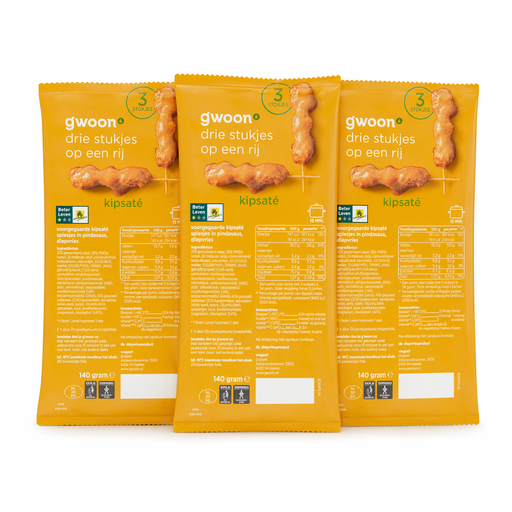
Why it suits this profile: This set contains three packs of three skewers, and comes with peanut sauce. It’s a handy choice for a quick snack or meal without having to make the sauce yourself.
The product information lists the ingredients in the peanut sauce and chicken separately. This makes it clear that the product contains peanuts, soya and wheat.
3 x 3 skewers, peanut sauce included, and suitable as a quick meal or snack.
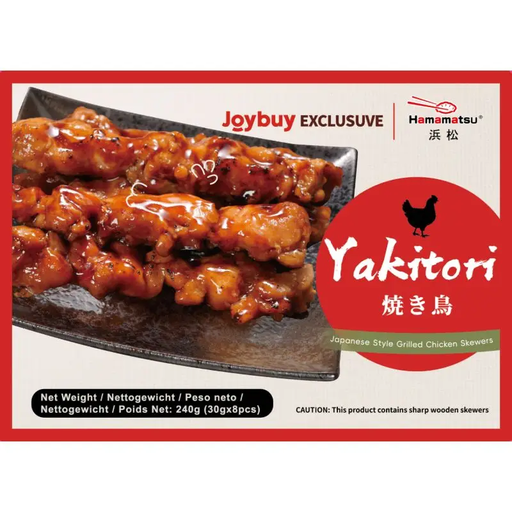
Why it suits this profile: Each of the eight skewers weighs 30 grams. According to the product description, they have a teriyaki sauce and grilled flavour.
The pack lists 65,4% chicken, allergens and nutritional values. This helps you make a more informed choice about the sweet and savoury marinade.
240 grams, eight portions, with cooking options for the pan, oven and air fryer.
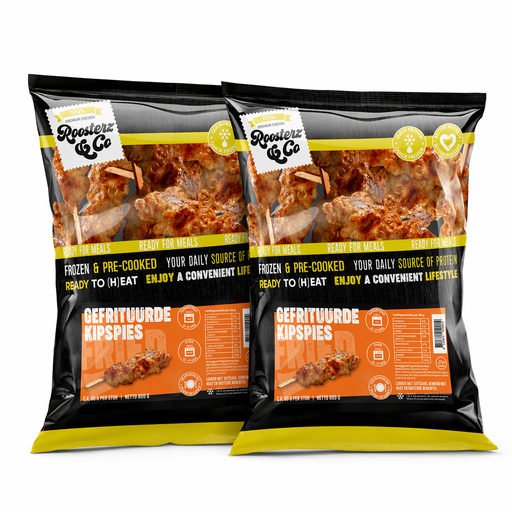
Why it suits this profile: The 2 x 800-gram pack is designed for larger households, meals shared by several people and barbecues.
The product information states that the skewers contain 95% chicken and are pre-cooked and pre-seasoned. The large pack means fewer small packs to deal with when cooking for a group.
1,6 kg in total, 95% chicken according to the product information, and suitable for barbecues and outdoor cooking.
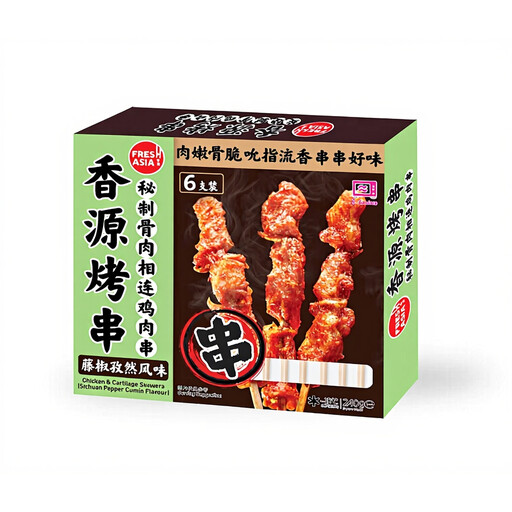
Why it suits this profile: The combination of Sichuan pepper, cumin, chicken thigh and crunchy cartilage is ideal if you’re after bold Asian flavours and a variety of textures.
The product information clearly lists chicken with bone, cartilage, soya and the cooking method. This is helpful if you’re expecting something different from a standard chicken skewer.
240 grams, individually frozen according to the product information, and suitable for the oven, pan and air fryer.
We’ve put together a complete, up-to-date list of products that meet these strict selection criteria and the applicable European safety regulations.
It depends on the product. Some packs specifically state that you can cook the skewers from frozen. Other instructions are less specific. Always follow the packaging, use the recommended temperature and check that the centre is piping hot throughout.
As a guide, several product descriptions recommend around 10 to 12 minutes at 200 °C. The actual time depends on the thickness, quantity and oven. Turn the skewers if needed, and only eat them once they’re heated all the way through.
Plain or pre-seasoned grilled chicken skewers go well with satay sauce added separately. If you’re looking for convenience, choose chicken skewers that come with peanut sauce. If you do, always check the allergens: chicken satay often contains peanuts, soya and wheat.
