
Same-day & Next-day Delivery

Quality Guaranteed

Unlock Your Welcome Offers: FREE Delivery | Up to 80% OFF | Free 30-day JoyPlus trial
Download the APP
Frozen buns and bao buns are a lifesaver for busy mornings, a quick snack or a meal with family and friends. However, not every product is prepared the same way. Some buns need to be steamed, while others go straight into the oven. If you only look at the packaging or an attractive picture, you could end up with a product that doesn't suit the equipment you have at home, the portion size you need or your family's taste preferences.
The main pitfalls are easy to avoid:
For Asian bao buns and steamed buns, steaming is usually the recommended method. A steamer basket prevents the dough from drying out and helps the filling heat evenly. Some products can also be cooked in the microwave, but follow the packaging instructions.
For oven-baked rolls, such as baguettes, croissants and garlic bread, temperature and timing are key. Too short a baking time can leave a cold centre; too high a temperature can make the outside darken too quickly. Always use the brand's cooking instructions.
Filled buns vary greatly in flavour and nutritional value. A sweet custard bun works for breakfast or dessert, while a chicken bao is better suited to lunch or a quick meal. Look out for ingredients such as wheat, milk, egg, soya, sesame and mustard. Even when a product looks like bread, the filling can contain important allergens.
For example: the Fresh ASIA Teriyaki Chicken Thigh Bun contains wheat, soya and sesame according to the product information. The SAN QUAN Custard Bun contains wheat, egg, soya and milk, among other things. Always check the current packaging with every order, especially if someone in the household has an allergy.
Frozen buns are most practical when you have enough freezer space and can store them as soon as they are delivered. Maintain the cold chain as much as possible and store them according to the label. Products such as some rustic baguettes need to thaw for a few hours before being baked off. Bao buns, on the other hand, can be steamed straight from frozen.
So make a distinction between:
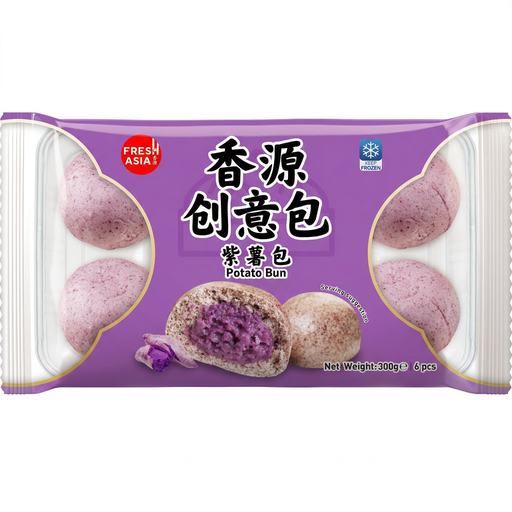
Why it fits this profile: A simple sweet bun for breakfast or a snack. According to the product description, the bun is served straight after steaming.
The cooking method is straightforward: steaming rather than baking. The 300 g pack makes the quantity clear upfront.
Purple sweet potato as an ingredient; soft, fluffy texture according to the product description; suitable for breakfast or a snack.
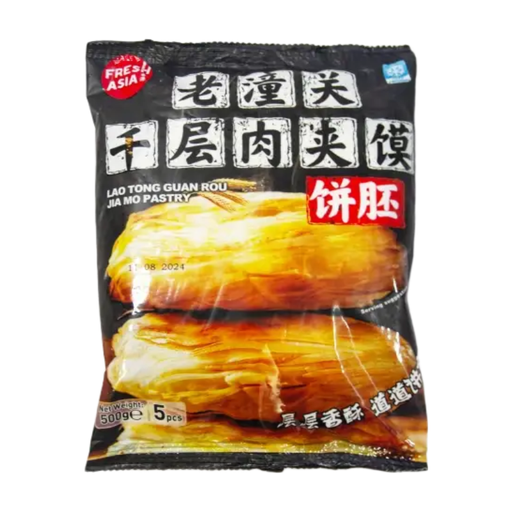
Why it fits this profile: For those who appreciate layers, a crispy exterior and a savoury filling. The product is designed as a base for a Roujiamo-style bun.
The product information clearly states that baking or pan-frying is needed. So you won't expect a ready-to-eat bao bun.
500 g pack; multi-layered dough structure; can be filled with ingredients of your choice.
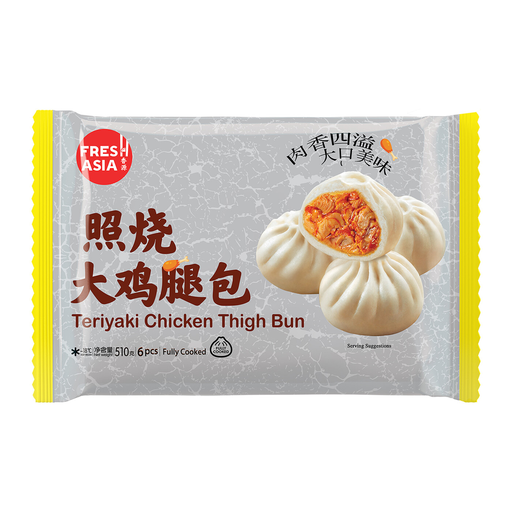
Why it fits this profile: For households looking for a filling, savoury option for lunch, dinner or a quick meal.
The instructions say to steam until the product is piping hot all the way through. That prevents a filled bun from being warm only on the outside.
510 g per pack; chicken thigh with teriyaki sauce according to the product description; suitable for steaming from frozen.
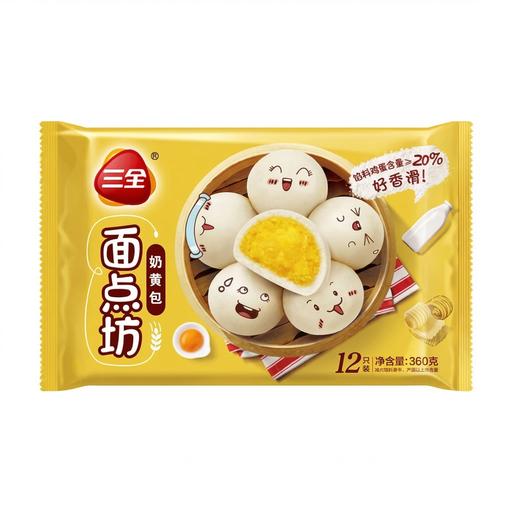
Why it fits this profile: A sweet choice for a shared breakfast, dessert or snack time with several family members.
The instructions recommend 10–12 minutes of steaming from frozen. So you don't need to factor in any thawing time.
360 g per pack; creamy custard filling; preparation advice with a steamer basket.
We've put together a full, up-to-date list of products that fully meet these strict selection criteria and comply with current European safety regulations.
Yes, you can with many products. The cooking instructions may, for example, recommend 10–15 minutes of steaming without thawing first. Leave enough space between the buns in the basket and check that the filling is piping hot all the way through. Always follow the label on the specific product.
That depends on the product. For some baguettes and part-baked rolls, an oven or air fryer is mentioned, but a steamed bao bun can dry out in an air fryer. Only use the air fryer when the product information allows it, and adjust the temperature and timing to the instructions.
The shelf life is stated on the packaging. Store products at -18 °C or lower, do not let them thaw unnecessarily and do not refreeze them after thawing. For buns that need to thaw first, such as certain brioche or rustic rolls, the stated period after thawing also applies.
