
Vandaag of morgen in huis

Kwaliteit gegarandeerd

Welkomstaanbiedingen ontgrendelen: GRATIS bezorging | Tot 80% korting | Gratis 30 dagen JoyPlus-proefperiode
Download de app
Frozen bao buns are handy for breakfast, a quick lunch or a dim sum platter at dinner. Many varieties go straight from the freezer into the steamer. Yet packaging can sometimes look more alike than the products themselves. One bun may be soft and light, while another consists mostly of dough. Preparation methods, allergens and pack sizes also vary considerably.
If you buy without comparing, you are most likely to encounter these pitfalls:
The term Chinese baozi usually refers to steamed, filled buns with a soft layer of dough. The filling may consist of pork, chicken, beef, vegetables or a combination of these. Do not just look at the flavour name; check the order of the ingredients too, as they are generally listed from largest to smallest quantity.
For example, the Fresh ASIA Mushroom Chicken Thigh Bun 510g lists chicken as an ingredient, along with 2.1% mushroom. According to the product information, the Fresh ASIA Meat Buns Juicy Pork Buns 450g contain 21% pork. This gives you a more specific idea than a general description such as ‘juicy’ or ‘generously filled’.
Also pay attention to the difference between:
The cooking instructions are a practical selection criterion. A steamer basket or a pan with a lid is suitable for most steamed bao buns. Place perforated baking paper or a suitable liner underneath the buns to help prevent them from sticking.
Examples from the product information:
Always follow the instructions on the packaging of your chosen product. Appliances, quantities and the size of the buns all affect the actual cooking time. Do not eat meat or chicken fillings raw, and check that the centre is fully hot.
Most of the frozen Chinese snacks in this selection contain wheat or gluten. Soya and sesame are also common in dough, soya sauce or sesame oil. Some meat bao buns also contain oyster sauce, making molluscs relevant. If you have food allergies, the information on the full packaging takes precedence, even when online product information is available.
Store frozen products at -18 °C or below and do not refreeze a defrosted product. Also check:
The choices below are based on the available product specifications, cooking methods, pack sizes and allergen information.
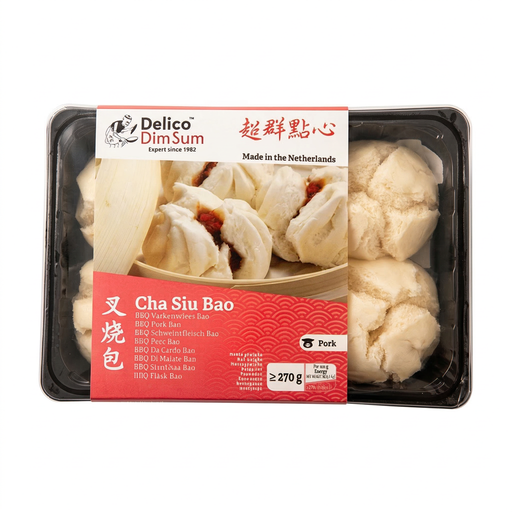
Why it suits this profile: This 270-gram pack is a manageable introduction to meat bao buns and, according to the product information, requires just 8 to 10 minutes of steaming from frozen.
The flavour and cooking method are clearly described. The product information also lists wheat, soya and sesame as allergens.
270 grams, prepared from frozen and filled with Cantonese-style pork.
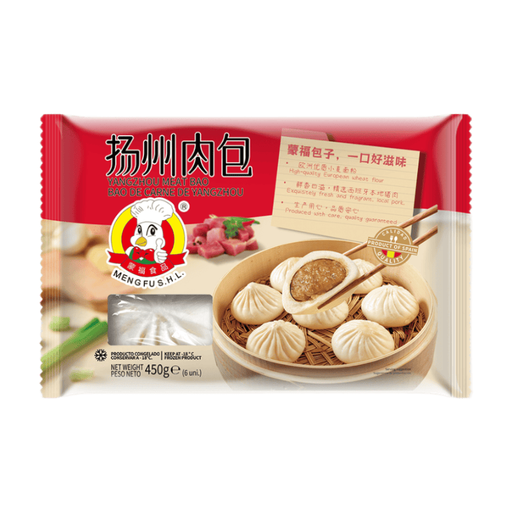
Why it suits this profile: The combination of a 450-gram pack, a pork and bacon filling and two cooking options suits shoppers who want to balance flavour with flexibility.
The specifications state a 40% filling, the allergens wheat, soya and molluscs, and a clear steaming time of around 15 minutes.
Steam from frozen or deep-fry after defrosting; produced in Spain according to the stated product information.
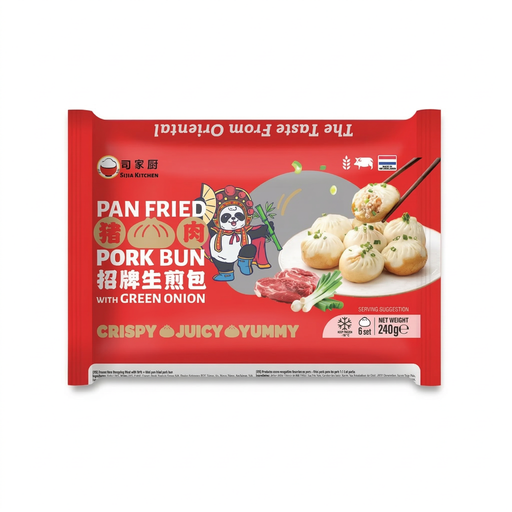
Why it suits this profile: These pan-fried buns are for anyone who wants a crispy base and is happy to follow the pan-cooking process step by step.
The instructions explicitly state: brown the buns first, add water, cover and cook thoroughly. This makes the cooking method clear from the outset.
Six pieces per pack, a pork and sweetcorn filling, and a cooking method that produces a crispy base.
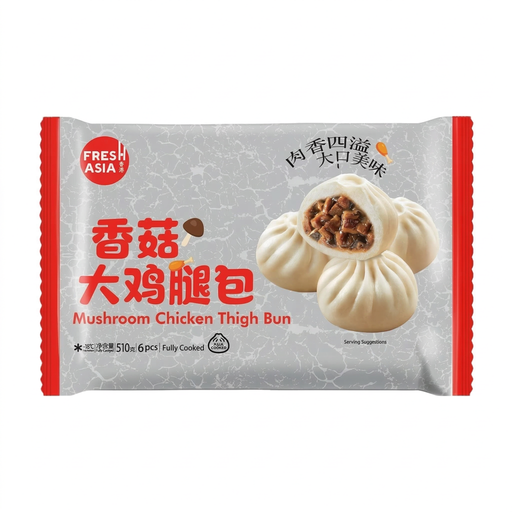
Why it suits this profile: The 510-gram pack is ideal when several people want to share a substantial breakfast, a snack or a light meal.
The product information states the chicken and mushroom content, storage at -18 °C or below, and a steaming time of 10 to 12 minutes.
Large pack, chicken with mushroom, plus microwave instructions as well as steaming instructions according to the product description.
We have compiled a complete, up-to-date list of products that fully meet these strict selection criteria and the applicable European safety regulations.
When steaming bao buns, use a pan in which the steam can circulate properly. Leave space between the buns, as the dough expands as it heats. Do not keep removing the lid during steaming, as this allows heat to escape and can result in uneven cooking.
For pan-fried buns, this sequence usually works well:
Leave bao buns to stand briefly after steaming. The filling can retain a lot of heat. Serve them with soya sauce, chilli sauce or a refreshing cucumber salad, depending on the flavour of the filling.
It depends on the size and filling. The available product information gives cooking times ranging from approximately 8 to 15 minutes. Always check the packaging and make sure that meat or chicken is thoroughly hot.
For many steamed varieties, yes. Delico Cha Sieuw Bao, Fresh ASIA Mushroom Chicken Thigh Bun and various New Orleans chicken buns provide cooking instructions for preparation from frozen. Pan-fried buns can also go straight from the freezer into the pan, while some deep-frying instructions specify defrosting first.
Store them at -18 °C or below. Keep the packaging properly sealed and do not refreeze products that have fully defrosted. If in doubt, check the date, storage instructions and allergen information on the packaging.
