
Same-day & Next-day Delivery

Quality Guaranteed

Unlock Your Welcome Offers: FREE Delivery | Up to 80% OFF | Free 30-day JoyPlus trial
Download the APP
Frozen bao buns are handy for breakfast, a quick lunch, dim sum or a sweet snack. You keep them in the freezer and usually cook them straight from frozen in a steamer basket. Yet the range can be more complicated than it first appears. One baozi contains a sweet sesame paste, another a meat filling with shellfish. The cooking time, portion size and allergens also vary considerably.
Terms like “juicy”, “handmade” or “authentic” don't automatically describe how much filling a bun contains. So check the ingredients list and, where available, the quantitative ingredient declaration. For example, the FRESH ASIA Meat Buns Juicy Pork Buns state 21% pork. The KUNGFU Juicy Bao Pork & Prawn contains at least 23% pork, alongside visible pieces of prawn according to the product description.
Most Chinese steamed buns need to be steamed from frozen. However, the times vary from around 8 to 12 minutes after the water has boiled. Some products aren't intended for the steamer basket. The Freshasia Taro Bun 390g needs to be thawed and then fried, according to the product information. If you only go by the product name, you could easily choose the wrong cooking method.
Bao buns often contain wheat and gluten. Depending on the filling, soya, sesame, milk, egg, shellfish or molluscs may also be present. A vegetarian filling doesn't automatically mean the product is free from soya or sesame. Always read the label on the packaging, especially if you have an allergy or food intolerance.
First, check whether the product can be steamed straight from frozen. Place the buns with space between them so the steam can circulate. You can use perforated baking paper or small pieces of baking paper to stop them sticking to the basket.
Many products in this selection have a recommended time of 8 to 12 minutes. The FRESHASIA Sesame Bun 390g, for example, needs 8 to 10 minutes of steaming after the water has boiled. The Freshasia Chinese Bun with Preserved Cabbage Filling 480g needs 10 to 12 minutes. Always follow the packaging, as the size and filling affect the heating time.
Don't just compare the number of buns, but also the net weight and nutritional values per 100 grams. A 390-gram pack isn't automatically comparable to a 240-gram pack. For instance, the FRESHASIA Sesame Bun 390g contains 299 kcal and 18.5 grams of sugar per 100 grams, according to the stated information. That's more suited to a dessert or sweet snack than a savoury lunch.
For a meal, look at savoury varieties with meat, vegetables or tofu. Pay attention to salt and saturated fat. The FRESH ASIA Mushroom Chicken Thigh Bun 510g, for example, lists 1.1 grams of salt per 100 grams. Such details help you compare products in a measurable way, without relying on general marketing claims.
Store frozen bao buns at -18 °C or lower, as stated on the product information. According to most instructions, thawed products should not be refrozen. Check the best-before date on the packaging and keep an opened bag tightly sealed to prevent drying out and freezer burn.
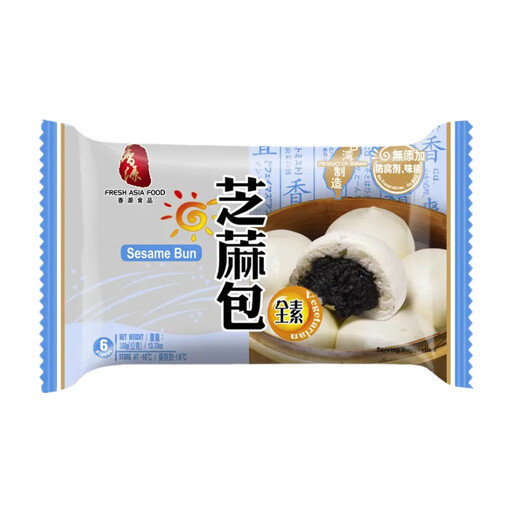
Why this fits the profile: An accessible choice for anyone trying sweet bao buns for the first time. The buns can be steamed from frozen and work well for breakfast, tea or dessert.
The product information states a clear steaming time of 8-10 minutes and lists wheat, sesame and milk as allergens.
390 grams per pack, sweet black sesame paste and cooking from frozen.
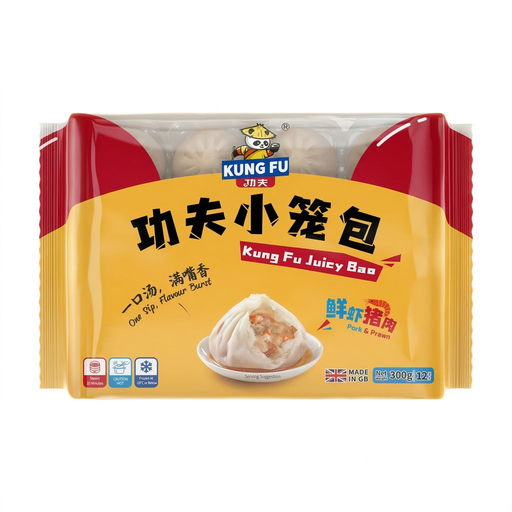
Why this fits the profile: For fans of a savoury dim sum experience with pork and prawn. The combination works well on a sharing platter with ginger and vinegar.
The ingredients list states the proportion of pork, prawn and the allergens present, including gluten, soya, sesame, milk and shellfish.
300 grams per pack, 8-10 minutes steaming and a combination of meat, prawn and broth.
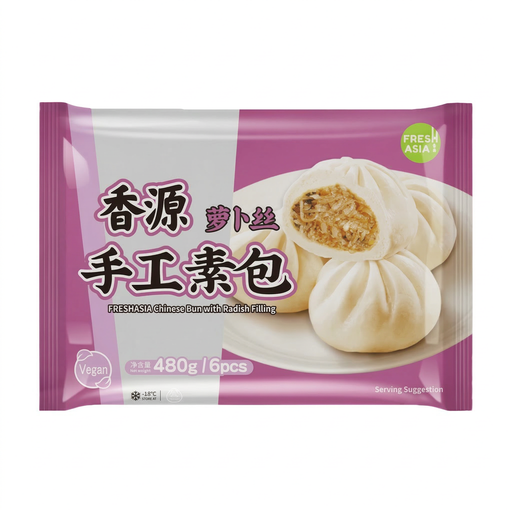
Why this fits the profile: Handy for households that regularly serve vegetarian bao buns for breakfast, a light meal or as part of a dim sum spread.
The filling is specifically described with radish, carrot, vermicelli and shiitake. The cooking method states 10-12 minutes steaming from frozen.
480 grams per pack, vegetarian vegetable filling and also a microwave instruction of 60-90 seconds.
We've put together a full, up-to-date list of products that fully meet these strict selection criteria and comply with current European safety regulations.
Yes, with many products you can. Place them frozen in a preheated steamer basket and keep the buns apart. The exact time is on the packaging and is usually between 8 and 12 minutes. Products with raw dough or meat filling must be piping hot all the way through before you eat them.
Follow the date on the packaging and store the products at -18 °C or lower. According to the product instructions, you should not usually refreeze them after thawing. It's best to seal open packs tightly and use them as soon as possible.
That depends on the filling. Varieties with radish, carrot, mushrooms, tofu or preserved cabbage are vegetarian options according to the stated ingredients. However, always check the label: soya, sesame and wheat are common. If you eat a strict vegetarian diet, it's a good idea to check the full allergen and ingredients information too.
