
Same-day & Next-day Delivery

Quality Guaranteed

Unlock Your Welcome Offers: FREE Delivery | Up to 80% OFF | Free 30-day JoyPlus trial
Download the APP
Frozen bao buns are handy for a quick breakfast, a snack or a light meal. In most cases, you can take them straight from the freezer and put them in the steamer. However, it’s not always easy to compare the options. A soft white bun, for example, might have a sweet filling, while a similar-looking product could contain chicken, egg, soya or sesame.
There are also a few common pitfalls to watch out for:
The filling determines not only the flavour, but also whether the product suits your diet. For vegetarian bao buns, for example, you could look for cabbage, mushrooms, bamboo shoots or red beans. A product described as “vegetarian” may still contain soya, wheat or sesame.
Always check the allergen information on the product page and packaging:
A product description is useful for narrowing down your options, but if you have an allergy, always check the latest packaging.
Most steamed buns don’t need to be defrosted first. This saves time and helps stop the dough from becoming sticky. The exact cooking time varies depending on the size and filling.
As a guide, product information includes the following cooking times:
Use plenty of boiling water, make sure the buns don’t touch each other and check that the centre is piping hot. Products made with raw dough or raw chicken aren’t ready to eat as they are. According to the product information for several items, you need to heat them through completely and mustn’t refreeze them once defrosted.
A 300 g pack might contain ten small buns, while a 510 g pack could contain a few larger chicken buns. So don’t just compare the price per pack. Check:
For example, the Freshasia New Orleans Chicken Thigh Bun lists a chicken content of 25%. According to the ingredients list, the Freshasia Chinese Bun with Preserved Cabbage contains 30% preserved cabbage. The Synear Mixed Vegetable Bun lists Chinese cabbage, egg, carrot and shiitake, among other ingredients. These percentages and ingredients give you a clearer idea of what’s inside than general phrases such as “generously filled”.
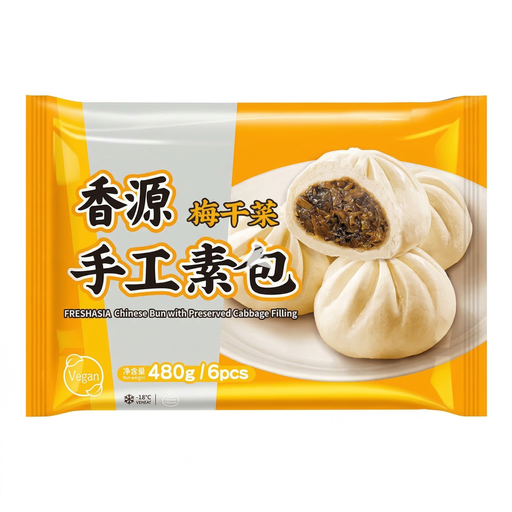
Why it suits this profile: These vegetarian buns offer a savoury introduction to Chinese buns. According to the product information, they take 10 to 12 minutes to steam and don’t need to be defrosted first.
The ingredients list specifies 30% preserved cabbage and also lists shiitake and black fungus. This makes it easier to assess the filling than relying on the product name alone.
480 g per pack, a vegetarian filling and clear steaming instructions. Contains wheat and soya.
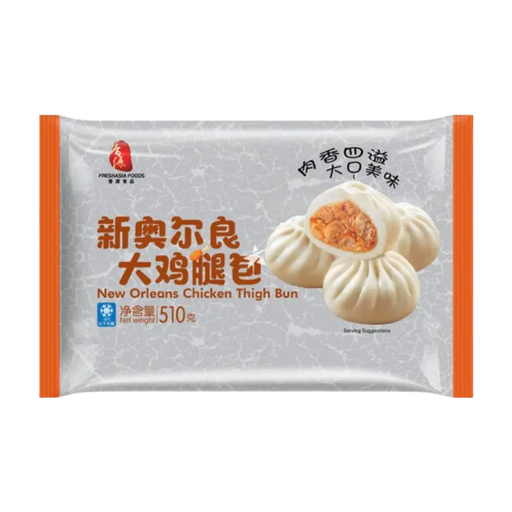
Why it suits this profile: These larger buns are a good choice if you’re after a savoury snack or a filling breakfast and would rather have one substantial bun than several small dim sum buns.
The product information lists 25% chicken, a weight of 510 g and a steaming time of 12 to 15 minutes. This makes it easier to plan the portion size and cooking time in advance.
Large pack, 12 g of protein per 100 g according to the product information, and a clear warning that the product must be heated through completely.
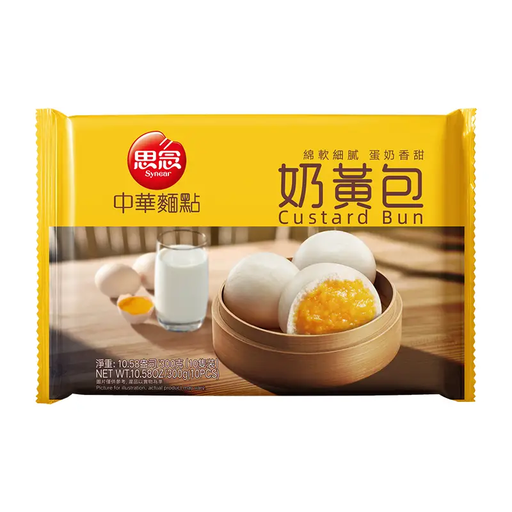
Why it suits this profile: A practical choice for fans of sweet bao buns, as a dessert with tea or for a quick breakfast with ready-sized portions.
According to the product information, the pack contains 10 buns weighing 300 g in total. Wheat, soya and egg are listed, so you don’t have to judge by appearance alone.
Ready-sized portions; the buns can be steamed without defrosting first and have a sweet custard filling. Not suitable for anyone allergic to egg, wheat or soya.
We’ve put together a complete, up-to-date list of products that meet these strict selection criteria and current European safety regulations.
Most frozen bao buns can be steamed straight from the freezer. Place them in a steamer basket over boiling water and follow the cooking time on the pack. Before eating, check that the dough and filling are piping hot throughout. Only use a microwave if the packaging gives microwave instructions.
Store them at -18 °C or below and follow the use-by date on the packaging. Many products must not be refrozen after defrosting. Keep opened packs tightly sealed and use the remaining buns according to the storage instructions.
No. As well as vegetarian bao buns, there are chicken bao buns, pork buns, custard buns, black sesame buns and red bean buns. Always check the ingredients and allergen information. Even a vegetable filling may contain soya, egg, wheat or sesame.
