
Same-day & Next-day Delivery

Quality Guaranteed

Unlock Your Welcome Offers: FREE Delivery | Up to 80% OFF | Free 30-day JoyPlus trial
Download the APP
A warm, soft steamed bun with a savoury or sweet filling. The promise of a quick and flavourful meal is what makes frozen bao buns so appealing. But the disappointment is immense when, after steaming, you find a bun that's 90% dough with a meagre, tasteless filling. Or worse, a filling whose ingredients remain a mystery.
Buying good frozen bapao or bao buns can feel like a gamble. The packaging often shows perfectly filled buns, but the reality in your freezer can be quite different. Let's look at the two most common pitfalls that can ruin your purchase:
Fortunately, you can avoid these disappointments by knowing what to look for.
Before you put frozen dim sum or Chinese buns in your basket, there are a few objective specifications that make the difference between a great find and a waste of money.
The heart of every bun is its filling. A reliable indicator of quality is the ingredients list. Manufacturers who are proud of their product will often state the exact percentage of the main ingredient.
Not all Asian buns are the same. The texture of the dough and the recommended preparation method are crucial for the eating experience.
The range is extensive. Decide what you're looking for in advance.
Based on clear product specifications and various use cases, we have selected a few popular choices.
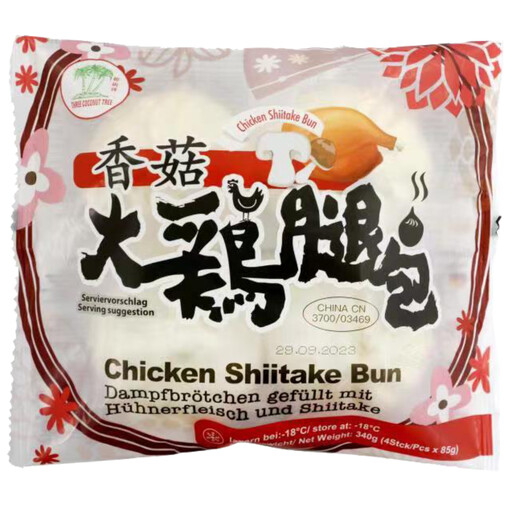
Why This Fits Their Persona: Ideal for anyone seeking a quick, reliable, and flavourful lunch or snack. The combination of chicken and shiitake is a classic that rarely disappoints and is ready in minutes.
The ingredient list specifies chicken 15.8% and shiitake 2.1%. This provides clarity about the filling and avoids the pitfall of a vague "meat filling."
Easy to prepare (8-10 minutes of steaming) and a savoury, umami-rich flavour thanks to the addition of shiitake mushrooms.
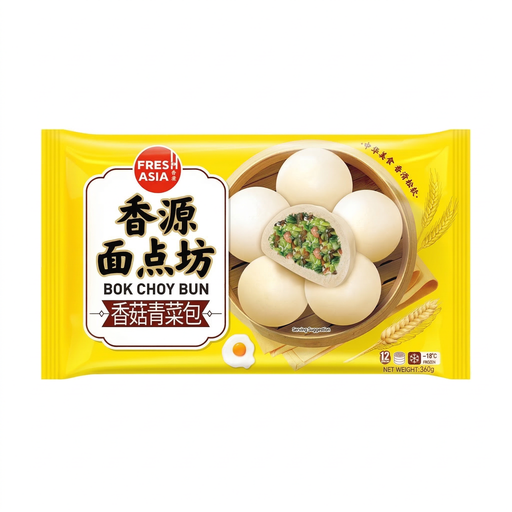
Why This Fits Their Persona: For those looking for a satisfying vegetarian option. These buns offer a classic, savoury filling that proves a vegetarian bao can be just as delicious as its meat-filled counterpart.
This product avoids the "vague vegetable filling" trap by clearly describing the filling as a classic combination of mushroom and vegetables, which indicates a traditional recipe.
The filling is purely vegetarian, and the dough is described as handmade, which can contribute to a soft texture. Suitable for vegetarians and those who enjoy a lighter meal.
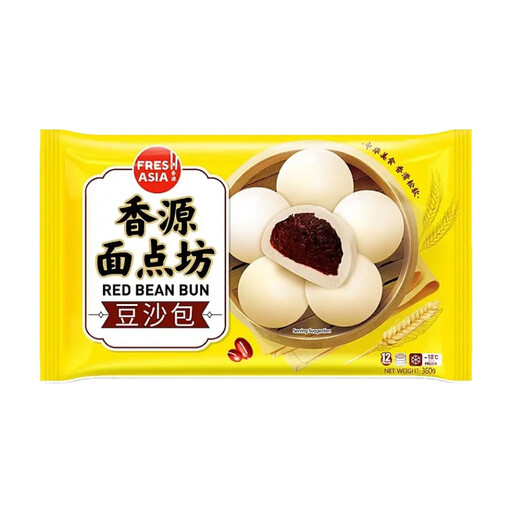
Why This Fits Their Persona: Perfect for those who want to end a meal with a traditional Chinese dessert or are looking for a sweet breakfast. Red bean paste is a beloved classic in Asian cuisine.
The filling is clearly specified as red bean paste, made from adzuki beans. This is an authentic and recognisable ingredient, not a generic "sweet filling" of unknown origin.
Offers a great balance between the soft, fluffy dough and the smooth, sweet filling. Quick to prepare (6-8 minutes of steaming) for a warm and comforting dessert or snack.
We've compiled a complete, up-to-date list of products that meet these selection criteria and current regulations.
No steamer basket? No problem. Place a small, heatproof bowl or three balls of aluminium foil on the bottom of a large pot. Pour a shallow layer of water into the pot (making sure the water doesn't rise above the bowl). Place a heatproof plate on top of the bowl, arrange the frozen buns on the plate (with some space between them), and bring the water to a boil. Cover the pot and steam the buns according to the package directions.
The terms are often used interchangeably. "Bakpao" is the Indonesian name for the Chinese "baozi," which literally means "steamed bun." "Bao buns" is the more Westernised term. Essentially, they all refer to the same type of product: a steamed bun with a filling. Sometimes, "bao bun" is also used to describe the folded, unfilled buns (gua bao), which you can fill yourself.
Traditional dough recipes for bakpao and bao buns are based on wheat flour, which contains gluten. Therefore, most products on the market are not gluten-free. Individuals with gluten intolerance or celiac disease should always carefully check the allergen information on the packaging. Currently, gluten-free versions of steamed buns are still rare.
