
Same-day & Next-day Delivery

Quality Guaranteed

Unlock Your Welcome Offers: FREE Delivery | Up to 80% OFF | Free 30-day JoyPlus trial
Download the APP
When you order frozen Asian snacks and meals online, you’re usually after three things: a clear product choice, a short preparation time, and delivery that arrives properly frozen. Even so, there are a few pitfalls to watch out for. An attractive photo, for example, tells you very little about portion size, ingredients or cooking method.
With this guide, you can compare Asian frozen products on points you can actually check. That way, you’ll find a quick Asian meal, snacks for guests, or products to try out different cuisines without relying solely on marketing copy.
A 900g bag sounds generous, but the number of portions depends on the product. Mini spring rolls, for instance, are used differently from a complete meal. So always check:
A multipack of Japanese onigiri or Korean kimbap can be handy for several eating occasions, whereas a 450g meal is more likely intended as a single portion.
Not every frozen product goes straight into the microwave. Some need to be cooked in the oven, air fryer, pan or steamer. Wontons, for example, can be boiled in water, while Korean fried chicken may be intended for the oven or air fryer.
Check whether the product:
With raw dough, as found in some dim sum, thorough cooking is essential. Do not eat such products raw.
Asian sauces and fillings often contain soya, wheat, sesame, egg, milk, fish, shellfish or mustard. Don’t just check the short allergen declaration; read the full ingredients list too. For products labelled “may contain”, this refers to possible cross-contamination during production.
The information on the packaging is what you should follow. That also applies to the best-before date, storage temperature and cooking instructions.
Frozen products must stay frozen during storage and transport. According to the product information, items in this selection are stored, packed and transported under chilled conditions. When you receive your order, check that the packaging is intact and the product still feels frozen.
Store frozen goods at the temperature stated on the packaging, usually -18 °C or lower. If a product has fully defrosted, follow the instructions on the label. Many products should not be refrozen once thawed.
Compare nutritional values per 100g, but also look at the portion size. A product with relatively little salt per 100g could still deliver a lot of salt if you eat several portions. Also pay attention to:
A product description is not health advice. Use the information mainly to choose products that suit your eating occasion and preferences.
For a quick meal, it’s not just the cooking time that matters. Also check whether you need an air fryer, oven, microwave, pan or steamer. Onigiri and kimbap, for example, are suitable for microwave cooking according to the product description. Wenzhou wontons can be cooked straight from frozen in boiling water for 6 to 7 minutes.
For a store cupboard with variety, you can combine different categories: gyoza, dim sum, wontons, spring rolls, tteokbokki, roti paratha and frozen biryani.
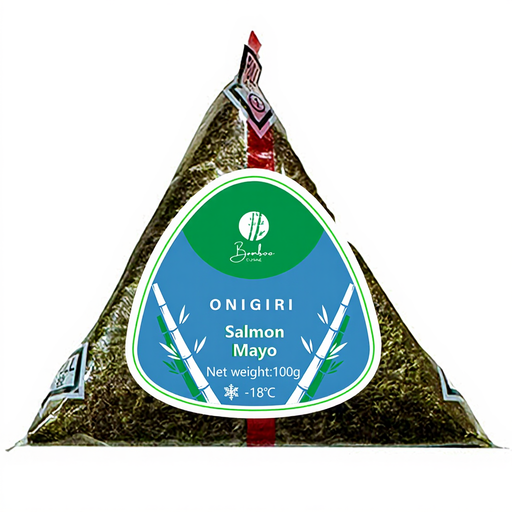
Why this fits the profile: A 100g portion is manageable for anyone wanting to try Japanese onigiri without stocking up in bulk. According to the product information, the onigiri is suitable as a snack or light meal and can be cooked in the microwave.
The weight and flavour variant are clearly stated. Do check the label, though: the product information lists egg and mustard as allergens.
100g per piece; rice, toasted seaweed and salmon mayonnaise; keep frozen until use.
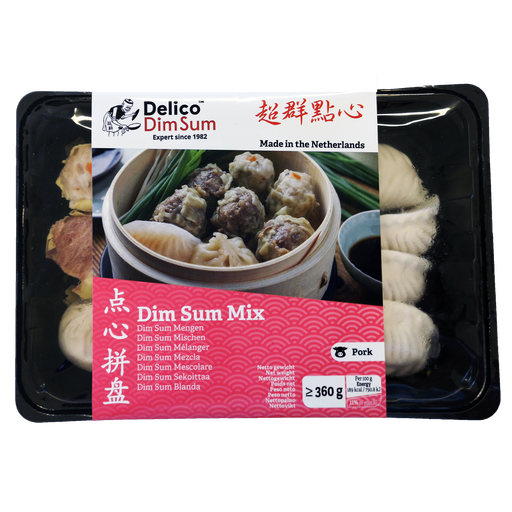
Why this fits the profile: This box combines prawn dumplings, beef and pork siu mai, and xiao long bao. So you get several types of dim sum in one pack for a meal or a shared eating occasion.
The four varieties and their main ingredients are specified. Cook them according to the instructions; the pack contains dough and must be cooked through completely.
360g; four dim sum varieties; steam straight from frozen according to the product information.
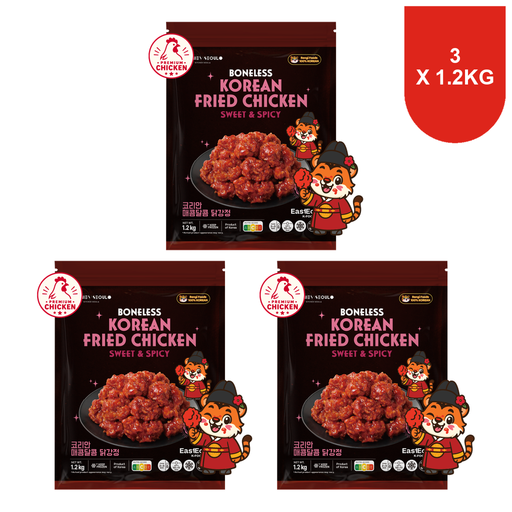
Why this fits the profile: The family pack is designed for households that serve Korean fried chicken more often or have several people to feed. According to the product description, the chicken already comes with sauce and is suitable for the air fryer or oven.
The size and cooking method are clearly stated. Watch out for allergens: the ingredients include soya and wheat, among others.
Family pack; sweet and spicy sauce; cook in air fryer or oven according to the product information.
We’ve put together a full, up-to-date list of products that fully meet these strict selection criteria and comply with current European safety regulations.
With spicy products, pay attention to the sauce and flavour description. “Sweet spicy” or “Flamin” gives an indication of the flavour profile, but the exact intensity can vary from person to person.
The shelf life varies by product and is stated on the packaging. Store the product at the indicated temperature and keep it frozen until use. Once defrosted, you must follow the instructions on the label; refreezing is not allowed for many products.
That depends on the product. Some wontons and dim sum can be cooked straight from frozen. Other products require defrosting or a specific oven, pan or microwave method. Always check the product page and packaging. Products with raw dough must be cooked through completely.
Yes, as long as you pay attention to portions, storage space and cooking equipment. Choose multipacks for several eating occasions, for example, and individual meals when you need a single portion quickly. Plan your delivery so you can put the frozen products away straight away, and check the condition of the packaging when it arrives.
