
Photographers of tiny frost details
You want to capture individual crystals and fine patterns in close-up, and are happy to choose a suitable macro lens or close-up mode.


A compact camera with a built-in close-up mode is a good choice for a cold-weather walk if you want to capture details quickly without changing lenses. Choose a mirrorless camera with a suitable macro lens if magnification and focusing control matter more; check the lens mount and whether the lens is included. Weather resistance in one component doesn’t automatically apply to the whole setup or to all winter conditions.
You want to capture individual crystals and fine patterns in close-up, and are happy to choose a suitable macro lens or close-up mode.
You take photos outdoors in cold and damp conditions, and pay attention to the stated operating limits of both your camera and the rest of your kit.
You want to capture details quickly while out and about, without changing lenses, and are happy to accept the limitations of a fixed lens.
Choose this option when: you want to capture small details straight away on a walk, without carrying a separate macro lens.
Bear in mind: the lens is fixed, so you have less freedom to choose a different lens later.
Choose this option when: you want to use a dedicated macro lens and have more control over focusing.
Bear in mind: macro magnification depends on the lens, so check the mount and whether the lens is included with the camera or kit.
| What to consider | What should you check? | Who is this important for? |
|---|---|---|
| Detail magnification | Check the magnification on the sensor, the lens mount and the focusing options available on the camera you’re considering. | If I want to capture fine crystals in close-up, I look for a combination with suitable macro magnification and focusing control. Around 37% of consumers prioritise detail magnification. |
| Using the camera in the cold | Check the stated operating temperature for both the camera and lens, and read the battery guidance. | If you want to take photos on cold, damp walks, consider the limits of the complete setup. Around 27% of consumers prioritise suitability for cold conditions. |
| Capturing details quickly | See whether the close-up mode suits your subject and check what’s included with the version you’re considering. | If I don’t want to change lenses while I’m out, ease of use matters most. Around 18% of consumers say this is their main priority. |
| Complete setup | Compare the camera with the lens you’ll need, and check which accessories are included in the kit you’re considering. | If you want to understand the cost of the complete setup, look beyond the camera body alone. Around 18% of consumers prioritise the total purchase cost. |
A magnification specification applies to a particular lens, and doesn’t automatically apply to every camera body or standard zoom lens.
Before buying, check the exact lens, the lens mount and what’s included in the kit.
With a mirrorless camera, a suitable macro lens may need to be bought separately if it isn’t included with the body or kit.
A stated limit for a particular camera model doesn’t automatically confirm the properties of the attached lens. Cold can also affect the battery, and a lens may fog up when you move into a warm environment.
Read the operating limits and care instructions for the specific body and lens, and bear the battery and condensation in mind.
Canon Netherlands explains that the depth of field becomes shallower when you focus closer to your subject. This can leave part of a frost pattern outside the area in focus.
As well as the focusing distance, consider the magnification and the focusing or focus-stacking features available.
The TG-7 has a built-in microscope mode; the OM-5 Mark II is a mirrorless camera with a compatible M.Zuiko macro lens available.
EOS R mirrorless cameras and RF macro lenses are an option if you want interchangeable lenses and control over focusing.
A Nikon Z camera with a compatible NIKKOR Z MC lens gives you an interchangeable-lens system, with the option to choose lenses for subjects beyond macro photography too.
Sony makes E-mount macro lenses for compatible interchangeable-lens cameras.
The Joybuy products below are action cameras for outdoor filming. The product details listed don’t necessarily make them suitable for macro photos of frost patterns. Before buying, check whether the camera can focus closely enough on the detail you want to photograph.
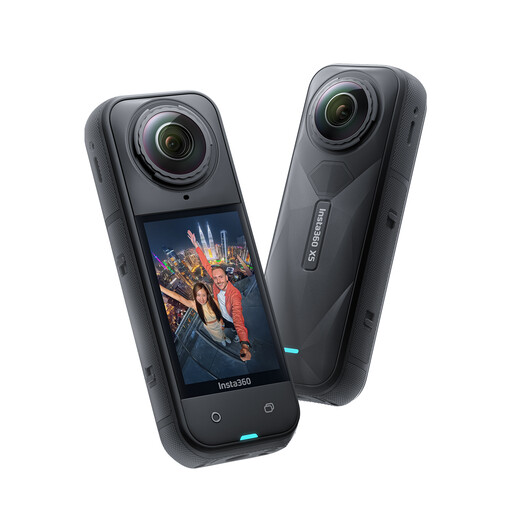 No image available
This action camera is designed for outdoor filming; check whether its close-up capabilities suit your plans for capturing frost details.
The product name lists 8K, 360° and a waterproof design.
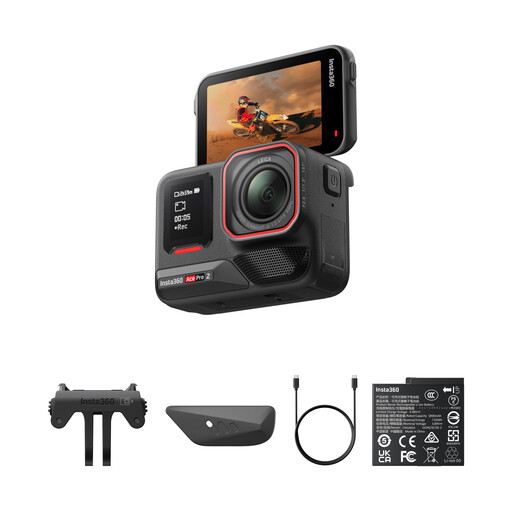 No image available
This action camera could be worth considering for outdoor use; check separately whether it can focus at the close-up distance needed for frost patterns.
The product name lists a bundle with two batteries, 8K and a waterproof design.
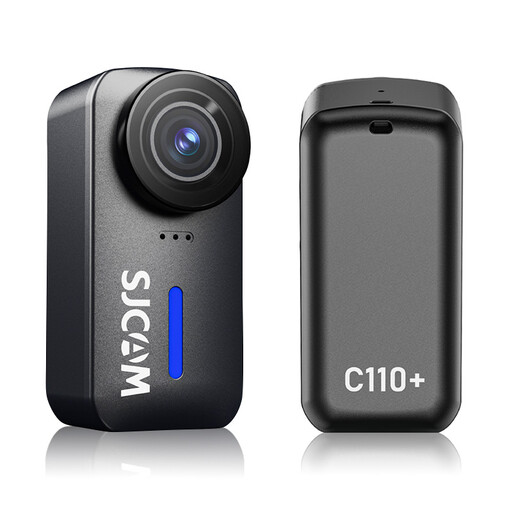 No image available
This compact action camera is designed for outdoor filming; check whether its focusing distance is suitable for small frost details.
The product name lists 4K video, a 170° field of view and a waterproof housing.
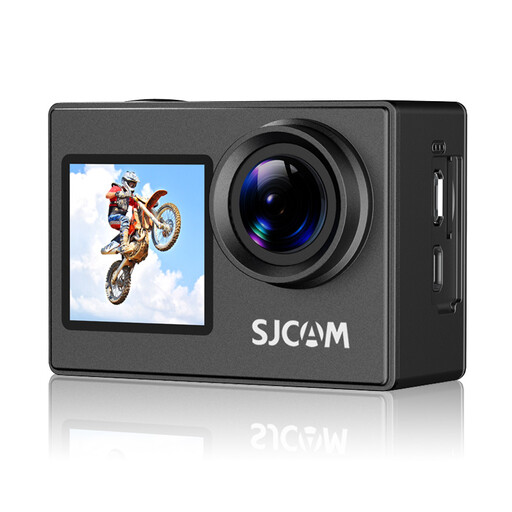 No image available
This action camera is designed for outdoor filming; before choosing it, check whether its close-focusing capabilities suit photographing frost patterns.
The product name lists 4K video, two screens and a waterproof housing.
No, not for every detail. A suitable close-up mode may be enough for a larger pattern; for very small details, a lens with a stated 1:1 magnification gives you a specific point of comparison. Bear in mind that the depth of field becomes shallower when you focus close up.
Check the temperature specifications for your camera and lens, and bear in mind that cold can affect the battery if you’re taking photos for a long time. To help prevent fogging, avoid taking a cold lens straight into a warm environment; also follow the guidance for your specific equipment.
You’ll need a compatible lens for macro magnification with a mirrorless camera, so check whether it’s included with the body or kit you’ve chosen. With a compact camera, check the version and what’s included in the bundle too: accessories included with a kit don’t necessarily come with the camera when bought on its own.
When you buy as a consumer in the Netherlands, you’re entitled to a product that conforms to the contract. If there’s a fault, the seller must provide an appropriate solution. Online purchases from a business generally come with a 14-day cooling-off period, with some exceptions. According to the Dutch government, the Netherlands doesn’t have a fixed statutory two-year guarantee period for every product; your statutory rights for a faulty product are separate from any commercial guarantee.