
Housemates who share their washing
You want to wash flannels with other suitable laundry and choose a drum that suits your usual shared load. Consumentenbond advises against choosing a washing machine that’s larger than you can fill.


Choose a capacity that suits the amount of suitable laundry your housemates actually wash together; a large drum isn’t useful if it’s usually half empty. A front-loader is a good fit if you have room for the door and can do shared loads, while a narrow top-loader may suit a tight space, provided there’s enough clearance above the lid. Consumentenbond advises against choosing a machine larger than you can fill with your usual load. And don’t treat a programme called ‘Hygiene’ as a guarantee of a particular wash result.
You want to wash flannels with other suitable laundry and choose a drum that suits your usual shared load. Consumentenbond advises against choosing a washing machine that’s larger than you can fill.
You’ll need to consider whether there’s room for a front-loader’s door to open or whether a narrower top-loader would fit better. Consumentenbond points out that the narrow width of top-loaders can be useful when space is tight.
You’ll want to compare the spin noise of specific models if the laundry area is close to your living or sleeping space. Consumentenbond notes that both the decibel level and the type of noise matter.
| What to consider | What should you check? | Who is this important to? |
|---|---|---|
| Washing flannels appropriately | Check the programmes in the manual and follow the care label; choose a programme that suits the laundry. | I want to wash flannels according to the care instructions, without assuming a programme name is a guarantee. Around 26% of consumers say washing flannels appropriately is their main concern. |
| Capacity for shared loads | Work out how much suitable laundry your housemates usually wash together and compare this with the stated load capacity. | If I usually wash flannels with other items, I want a drum that suits that shared load. Around 21% of consumers prioritise a load capacity that suits shared washing. |
| Ongoing running costs | Compare the same information on the EU energy label for the specific models you’re considering, and bear your own usage in mind. | I want to compare in advance the running costs that housemates will share; the EU label provides standardised information for this. Around 21% of consumers make shared running costs their main priority. |
| Noise when sharing the machine | Compare the spin noise of the specific models and consider where the machine will be placed. | If the laundry area is next to the living or sleeping space, I want to know how noisy each model is during the spin cycle. Around 16% of consumers prioritise noise when sharing a machine. |
| Fitting and connecting the machine | Measure the space and the clearance needed to open the machine; also check the water supply, drain and connection instructions. | I want to be sure in advance that the machine will fit in the available space and remain accessible. Around 16% of consumers say fitting and connecting the machine is their main concern. |
The number of people in the house doesn’t tell you how much laundry they can actually wash at once. A drum that’s too large can be impractical if shared loads are usually small.
First work out how much suitable laundry you usually have between you, then choose the load capacity.
A function’s name alone doesn’t tell you whether it’s suitable for a particular fabric or load. AEG describes the LTR7STEAM’s steam function as being for freshening clothes, not as a replacement for washing used flannels.
Check the manual for the specific model and follow the care label. Remember that freshening clothes isn’t the same as washing them.
The lid needs room to open above the machine, and a top-loader can’t be installed under a worktop.
Measure the entire space, including the clearance needed to open the lid and the access route.
The BM3WFU3741S is a freestanding front-loader with a stated load capacity of 7 kg.
The WGE02406NL is a freestanding front-loader with a stated load capacity of 7 kg.
The LTR7STEAM is a top-loader with a stated load capacity of 7 kg. It’s worth considering if width is a key factor and there’s space above the machine.
The TW 6521S SENSE WASH BE is a top-loader with a width of 40 cm.
The models shown are freestanding front-loaders for shared laundry, where flannels are washed with other suitable items.
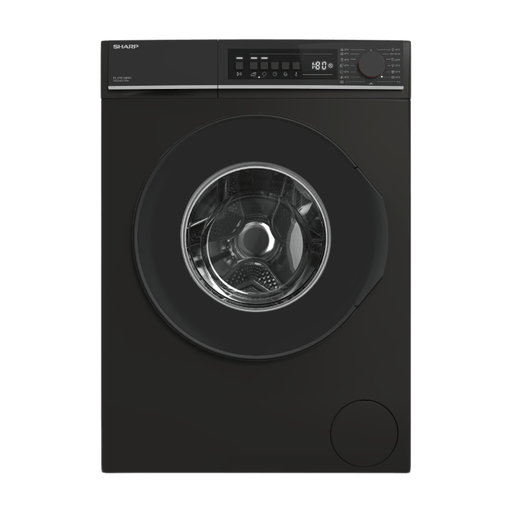 No image available
Its stated capacity makes this model worth considering if your housemates combine their suitable laundry.
 No image available
Its stated capacity is worth considering if your housemates want to wash their suitable laundry in shared loads.
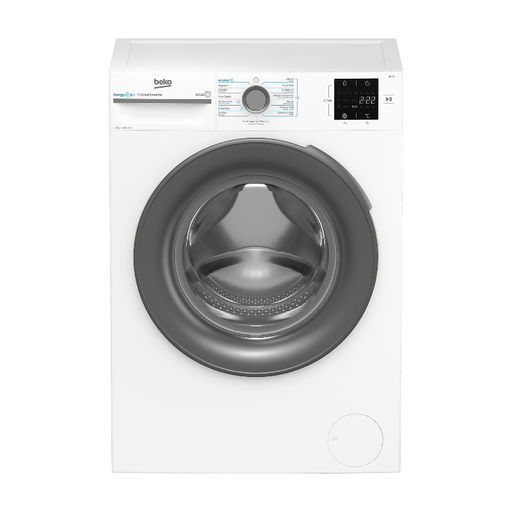 No image available
This model is worth considering if a shared load with a stated capacity of 7 kg suits your laundry routine.
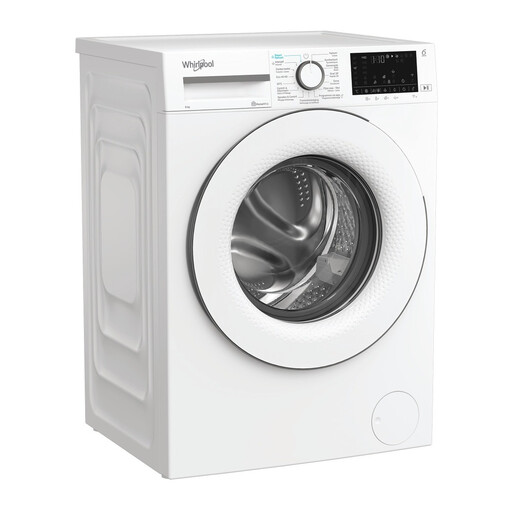 No image available
Its stated load capacity makes this model worth considering if your housemates combine their suitable laundry.
No, there’s no general rule that face flannels must always be washed at 60 °C. Follow the care label and choose a programme and detergent to suit how soiled they are. Milieu Centraal recommends 60 °C in certain situations, including washing tea towels; that doesn’t automatically make it the right setting for every face flannel.
No, don’t assume the temperature reached from the programme name. The programme is designed for normally soiled cotton laundry that can be washed at 40 °C or 60 °C according to its care label. Check the documentation for the specific model for details of the programme.
Check that the space is firm and level, that the water supply and drain are accessible, and follow the installation instructions for the power socket. Remove the transit bolts before using the machine. If installation requires a change to your rented home that can’t easily be reversed, check with your landlord in advance to see whether you need permission; this doesn’t mean permission is always required for every freestanding washing machine.
To compare running costs, check the energy use per 100 eco cycles and water use per eco cycle on the EU energy label; your actual costs will also depend on how you use the machine and your tariffs. If a product doesn’t conform to the contract, the seller is your point of contact in the Netherlands for a remedy under the statutory guarantee, as explained by the Dutch government (Rijksoverheid); a manufacturer’s warranty is separate.
No, the European Commission’s information about EU rules for washing machines describes obligations for manufacturers and importers placing machines on the EU market, not a requirement for households to buy a particular energy class.