
Vandaag of morgen in huis

Kwaliteit gegarandeerd

Welkomstaanbiedingen ontgrendelen: GRATIS bezorging | Tot 80% korting | Gratis 30 dagen JoyPlus-proefperiode
Download de app
A front and rear dash cam is no longer a gadget for tech enthusiasts; it's a practical tool for every driver. It provides peace of mind on the road and can deliver crucial evidence. But the market is flooded with models that promise the world. Many buyers fall into marketing traps and end up with a camera that just doesn't deliver when it matters.
As a Joybuy Product Recommendation Officer, I'll help you cut through the noise. We'll discuss the three most common pitfalls and the specifications that truly matter, so you can make an informed decision.
Before you invest, it's important to know what often goes wrong. Many disappointments can be avoided by paying attention to the following points.
Many manufacturers advertise 4K resolution, but not all 4K is created equal. Cheaper models often use software interpolation to upscale a lower resolution. The result? A large video file, but the footage is grainy and blurry. License plates are still unreadable at night or at high speeds. A true 4K dash cam depends on the sensor, not just the number on the box.
A dash cam with parking mode that monitors your car 24/7 sounds ideal. The catch is that this feature requires a special hardwire kit for a continuous power supply. Without this kit, which is often sold separately, the parking mode either won't work or will drain your car's battery. Many users only discover this after their purchase.
A dash cam with GPS and Wi-Fi promises easy control via your smartphone. In reality, this can be a source of frustration. Slow 2.4GHz Wi-Fi connections make downloading a few minutes of video an agonizingly slow process. An unstable or unintuitive app makes finding crucial footage impossible when you need it most.
To avoid these pitfalls, focus on the technical specifications that actually make a difference. These are the three most important ones.
Resolution (1080p, 2K, 4K) is only part of the story. The quality of the image sensor determines the clarity, especially in low light. Sensors like the Sony STARVIS and STARVIS 2 are specifically designed to capture clear footage in the dark. A model with such a sensor, combined with technology like HDR (High Dynamic Range), ensures you can distinguish details like license plates both day and night.
For a functional parking mode, a hardwire kit with battery monitoring is essential. This connects the dash cam directly to your car's fuse box and shuts the camera off before the battery voltage drops too low. Additionally, the choice of memory card is crucial. Dash cams continuously write data. Therefore, opt for a "High Endurance" microSD card. These are specifically made for long-term, intensive recording cycles and are more reliable than standard cards.
Modern dash cams offer more than just recording.
Based on these criteria, we've selected a few models that suit different types of drivers.
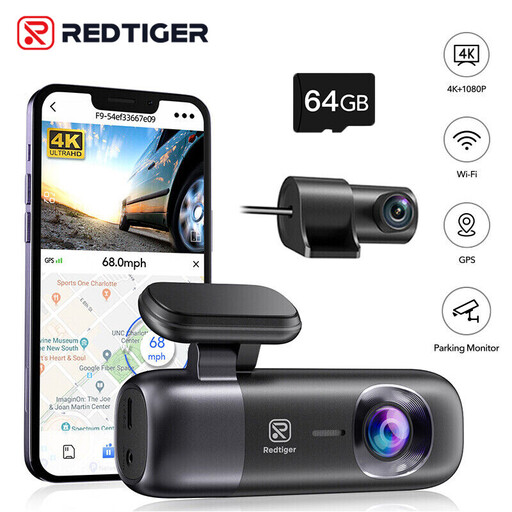
Why This Fits Their Persona: Ideal for those seeking a reliable and complete set without paying a premium. Perfect for capturing daily drives to work or school, with sharp front-facing footage and an extra eye on the traffic behind you.
Offers a 4K front camera for clear footage and a 1080p rear camera, a practical combination. Includes GPS, Wi-Fi, and a 32GB card, so you're ready to go right out of the box without hidden costs.
Complete set with front and rear cameras, GPS module, and memory card. The 4K front resolution is a strong plus in this price range.
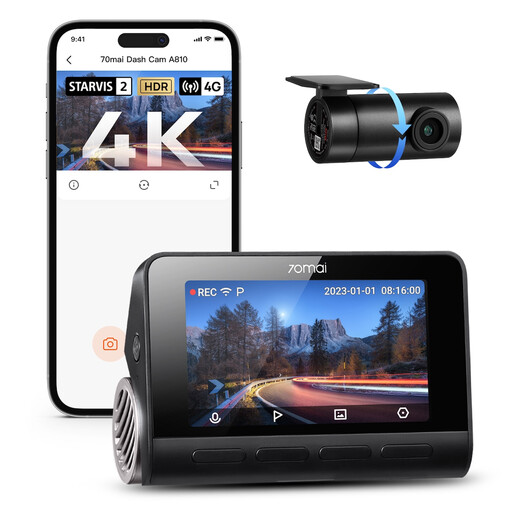
Why This Fits Their Persona: For the user who demands the highest image quality and the latest technology. This kit is built for superior performance, especially in challenging light conditions, and offers advanced smart features.
Utilises dual Sony STARVIS 2 sensors, the gold standard for true 4K clarity and night vision. According to 70mai, its Night Owl Vision technology ensures excellent performance in the dark, bypassing the pitfall of unusable night footage.
Superior image quality thanks to premium sensors and HDR on both channels. The AI-powered parking mode (requires UP04 kit) offers smart detection of people around the car.
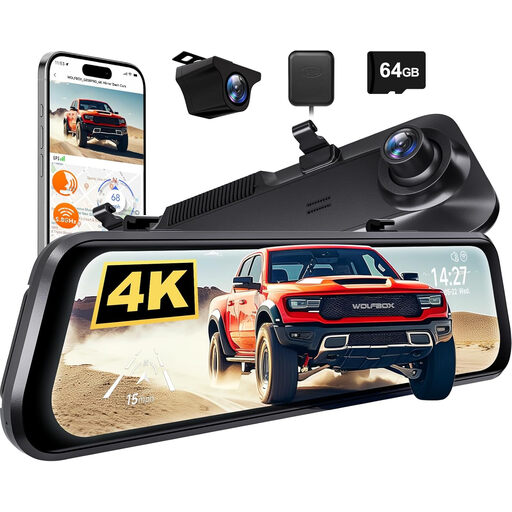
Why This Fits Their Persona: Designed for drivers who are on the road a lot and want a discreet, integrated solution. The mirror dash cam replaces your rearview mirror with a large screen, providing a much wider rear view and eliminating blind spots.
This model integrates fast 5.8GHz Wi-Fi for smooth file transfers, preventing the frustration of slow apps. The advanced driver-assistance systems (ADAS/BSD) provide active safety alerts, a feature that goes beyond simple recording.
The 12-inch touchscreen offers a superior and unobstructed rear view, which is especially useful when parking or in busy cities. Includes a 64GB card and GPS.
We have compiled a complete, up-to-date list of products that fully meet these strict selection criteria and local regulations.
Yes, using a dash cam is legal in most countries, including across Europe and North America. You can use the footage as evidence in legal proceedings. However, you must comply with privacy laws (like GDPR). Do not publish footage where people or license plates are identifiable without consent. Also, ensure the camera does not obstruct your view of the road.
A 4K dash cam produces large files. One hour of 4K recording can take up 10-15 GB. Fortunately, all dash cams use loop recording: once the card is full, the oldest files are automatically overwritten. For most users, a 64GB or 128GB High Endurance card, such as the Samsung PRO Endurance or KAWA 64GB card, is more than sufficient. Important recordings (from an incident) are locked by the G-sensor and will not be overwritten.
A supercapacitor is generally the better and safer choice for a dash cam. Cars can get extremely hot in the summer and freezing cold in the winter. Lithium-ion batteries are sensitive to these extreme temperatures, which can shorten their lifespan and, in rare cases, lead to swelling or leaking. Supercapacitors are much more resistant to temperature fluctuations, making them more durable and reliable for use in a vehicle.
