
Vandaag of morgen in huis

Kwaliteit gegarandeerd

Welkomstaanbiedingen ontgrendelen: GRATIS bezorging | Tot 80% korting | Gratis 30 dagen JoyPlus-proefperiode
Download de app
A front and rear dash cam seems like a simple purchase until you get lost in a maze of technical specifications and marketing promises. Many drivers fall into the same traps and end up with a device that doesn't deliver on its promises. Before you invest in an extra set of eyes on the road, it's crucial to recognise the most common pitfalls.
The three biggest missteps when buying a dash cam are:
As a Joybuy Product Recommendation Officer, I'll help you see through this marketing noise. Below, we break down the features that truly matter, so you can make an informed decision.
To avoid a bad buy, focus on the core specifications that determine the reliability and usability of a car camera.
A higher resolution isn't just for aesthetics. A 4K dash cam captures significantly more detail than a standard 1080p camera. This is crucial for identifying license plates and traffic signs, both day and night.
However, resolution only works well in combination with a quality image sensor. Sensors like the Sony STARVIS series are specifically designed for low-light situations. They capture more light, resulting in clearer and sharper images in the dark, and make the difference between a blurry shape and clear evidence.
The term front and rear dash cam, also known as a dual dash cam, has become the standard for full coverage. These systems simultaneously record the road ahead of you and the traffic behind you. This is essential in rear-end collisions.
For those who want to go a step further, there's the 3-channel dash cam. This adds a third camera that films the car's interior. This is a popular choice for taxi drivers, rideshare drivers, or parents who also want to keep an eye on the back seat.
Modern dash cams are more than just cameras. These smart features offer practical benefits:
Not every dash cam is right for every driver. Below is a selection tailored to different needs, avoiding the pitfalls mentioned earlier.
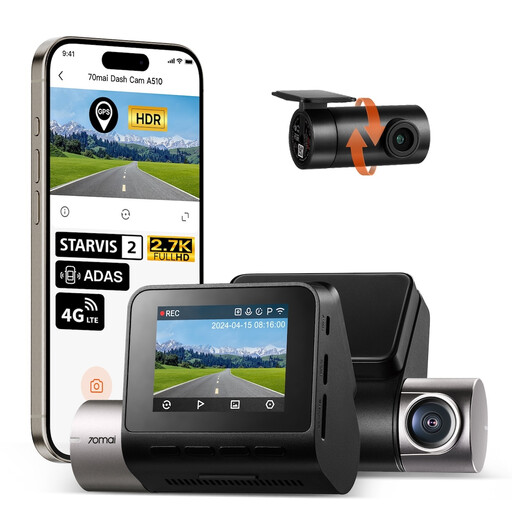
Why This Fits Their Persona: Offers an excellent balance between price and performance. The 2.7K resolution (1944P) is a clear upgrade from standard 1080p, without the cost of a full 4K system. Ideal for reliable recordings during the daily commute.
The Sony STARVIS 2 sensor tackles the 'false night vision' trap, delivering clear images in the dark. The reliable loop recording with a G-sensor ensures that important footage from an incident is securely saved.
Dual-channel HDR for balanced front and rear footage, even with difficult backlighting. Built-in GPS captures trip data without extra modules.
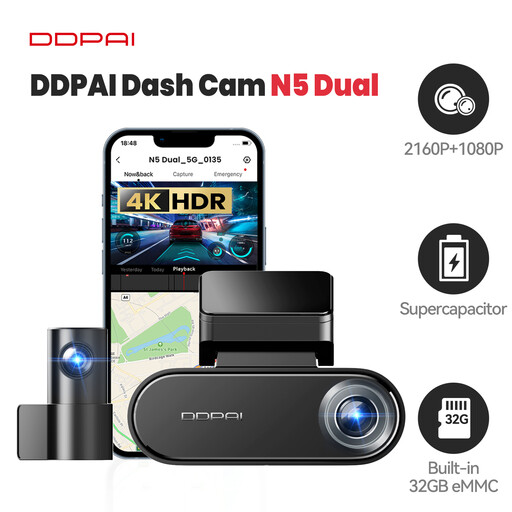
Why This Fits Their Persona: For those who want the highest image quality and the latest features. The combination of a 4K front camera, fast 5GHz WiFi, and built-in storage is perfect for the gadget lover who doesn't want to compromise.
Tackles the storage pitfall with dual security: 32GB of built-in eMMC storage acts as a reliable backup for the SD card. This minimises the risk of data loss from a corrupt card.
Dual storage (eMMC + SD card) for maximum reliability and fast 5GHz WiFi for instant access to footage via the app.
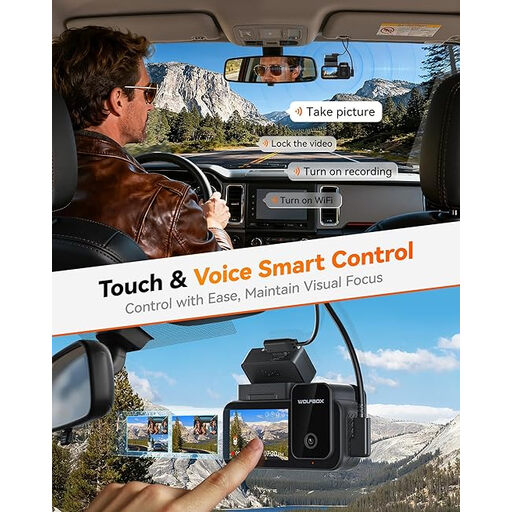
Why This Fits Their Persona: Provides maximum coverage with three cameras. Perfect for taxi or delivery drivers who also want to record the interior for safety and liability, or for fleet managers who need a complete overview.
This is a complete 3-channel dash cam solution. The Sony STARVIS 2 sensor ensures excellent night vision, both outside and inside the cabin, avoiding the pitfall of unusable night footage.
Three-channel recording (4K front, 2.5K rear, 2.5K interior) for a nearly 360-degree overview. The mirror interface offers a modern and integrated display.
We have compiled a complete, up-to-date list of products that fully meet these strict selection criteria and Dutch regulations.
Yes, owning and using a dash cam to film on public roads is legal in the Netherlands. However, there are rules regarding what you can do with the footage. Due to privacy laws (GDPR), you are not allowed to publicly publish or share footage online where people or license plates are identifiable. It is permissible to use it for your own purposes as evidence in an incident.
A dash cam with parking mode uses a built-in G-sensor to detect vibrations or a sudden impact when the car is parked. As soon as an incident is detected, the camera starts a recording and saves it to a protected folder. For features like time-lapse recording (where the camera continuously films at a low framerate), a hardwire kit is required. This kit connects the dash cam directly to the car's battery, allowing it to receive power without the ignition being on.
A 4K dual dash cam generates large files. Most dash cams use 'loop recording', which means the oldest files are automatically overwritten when the card is full. As a rule of thumb, a 128GB memory card can store approximately 8 to 10 hours of 4K footage (front and rear camera combined). For most daily drives, this is more than enough to secure relevant footage of an incident before it is overwritten.
With the right knowledge, you can choose a dash cam that truly contributes to your safety and peace of mind on the road.
Joybuy Product Recommendation Officer
