
Vandaag of morgen in huis

Kwaliteit gegarandeerd

Welkomstaanbiedingen ontgrendelen: GRATIS bezorging | Tot 80% korting | Gratis 30 dagen JoyPlus-proefperiode
Download de app
Buying soft drinks online seems straightforward, but attractive packaging doesn’t always tell the whole story. If you focus only on the brand, colour or a temporary soft drink deal, you could end up with too much stock, a flavour you don’t enjoy or a pack that doesn’t suit the occasion.
This practical guide covers the things that matter most when buying soft drinks: the amount per item, nutritional information, ingredients, allergens, packaging and shelf life.
A case of 24 cans can be handy for a party or a large household. For a small family, though, a soft drink multipack can quickly take up a lot of storage space. Always check:
For example, a pack of 24 x 330 ml contains almost 8 litres of drink. That’s practical for an event, but could be more than you need if you only drink soft drinks occasionally.
A soft drink with orange, cherry or pineapple flavour may contain mostly flavourings, sugar or sweeteners. Check the ingredients list and the stated fruit content. For example, according to the product information, Fanta Orange contains 6.5% orange juice from concentrate. Capri-Sun Multivitamin states that it contains 10% fruit juice from concentrate.
A fruit drink and a fizzy soft drink aren’t the same type of product. The name and picture on the front don’t always give you enough information.
In sugar-free soft drinks, sugar is often replaced with sweeteners. For example, Coca-Cola Zero Sugar lists aspartame and acesulfame-K as sweeteners and, according to the product information, contains a source of phenylalanine. Pepsi Peach zero sugar also lists aspartame and other sweeteners.
If you have an allergy or intolerance, or follow a specific diet, always read the full label. Don’t rely on terms such as “zero”, “light” or “sugar-free” alone.
The volume affects not only the price, but also how practical the drink is. Common sizes in the range include:
When comparing a soft drink deal, look at the price per litre rather than just the price of the pack. A 10-pack of 200 ml drinks and a case of 24 x 330 ml cans are hard to compare fairly without doing this calculation.
Nutritional values are usually listed per 100 ml, making products easier to compare. Here are a few examples from the product information:
Remember to check the serving size, too. A 330 ml can contains more drink than the amount used as the basis for the table’s per-100 ml figures.
Common ingredients in regular soft drinks include carbon dioxide, water, sugar, acids, flavourings and, sometimes, sweeteners. Asian soft drinks may also contain milk powder, soya or nata de coco.
According to the product information, LOTTE Milkis Strawberry contains milk and soya. LOTTE Milkis Melon also lists milk and soya, and may contain traces of egg, cereals containing gluten, peanuts, sulphites and nuts, among other things.
When choosing an energy drink, it’s important to check the caffeine content. According to the product information, Monster Energy Ultra White contains caffeine, taurine, guarana extract and sweeteners. Slammers also lists caffeine and taurine. Check the label for warnings, and don’t choose this type of drink for children without careful consideration.
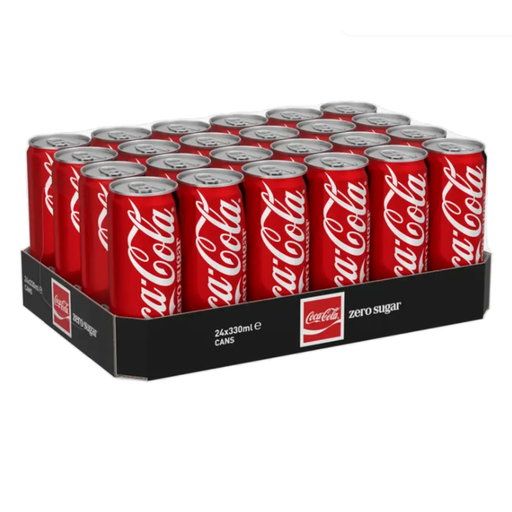
Why it suits this profile: A familiar cola in a can, with 24 servings of 330 ml and, according to the product information, 0 g of sugar per 100 ml.
The packaging clearly states the number of cans and the volume. Be sure to check the sweeteners and the phenylalanine information on the label.
24 x 330 ml; 0 kcal and 0 g of sugar per 100 ml, according to the product information provided.
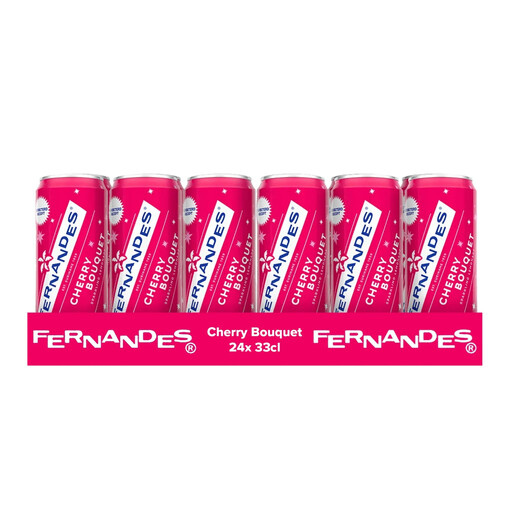
Why it suits this profile: For anyone after a sweet cherry flavour that’s a change from standard cola or orange.
The flavour and nutritional values are clearly stated. With 24 cans, you know exactly how much you’re getting, rather than mistakenly expecting a small taster pack.
24 x 330 ml; cherry flavour; 42 kcal and 10.2 g of sugar per 100 ml, according to the product information.
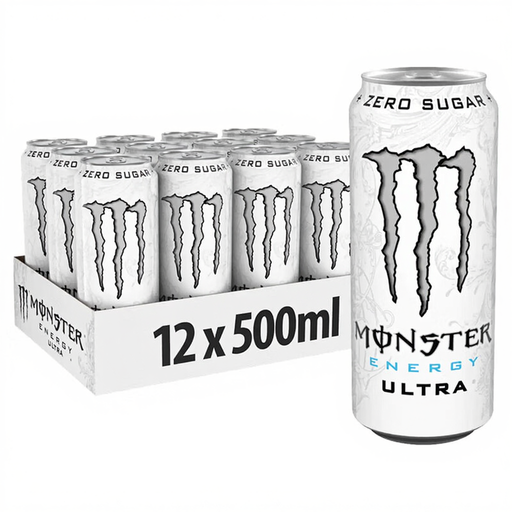
Why it suits this profile: The 500 ml size and 12-pack are designed for people who choose energy drinks deliberately and want to keep a regular supply.
The product information lists both caffeine and the other stimulating ingredients. Check the label and usage warnings before buying.
12 x 500 ml; sugar-free according to the product information; citrus flavour and 12 kcal per 100 ml.
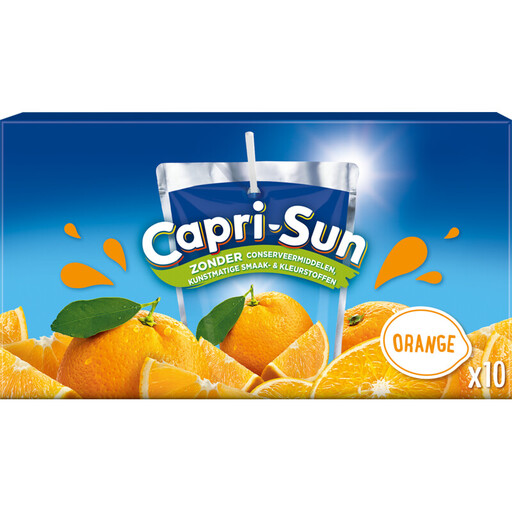
Why it suits this profile: The 10 x 200 ml individual packs are practical for picnics, children’s parties or when you’re out and about.
The small packs mean you don’t have to leave a large can open. Be sure to check the label for sugar and sweeteners.
10 x 200 ml; 10% fruit juice; 19 kcal and 4.4 g of sugar per 100 ml, according to the product information.
We’ve put together a complete, up-to-date list of products that meet these strict selection criteria and the applicable European safety requirements.
It depends on the price per litre, delivery costs and how much you need. A multipack may bring down the price per can, but only if you’ll use the drinks before they reach their best-before date. Compare the total price, number of items and volume per item.
Unopened soft drinks can usually be kept until the date on the packaging, provided you store them somewhere cool and dry, away from direct sunlight. Shelf life varies from product to product. Once opened, close the packaging, keep it chilled and follow the instructions on the label.
When choosing soft drinks for children, focus on smaller sizes and check the sugar, sweeteners, colourings and caffeine. Energy drinks aren’t a suitable choice for children because of their caffeine content and the associated warnings. The 200 ml Capri-Sun packs are practical for when you’re out and about, but it’s still important to check the nutritional information.
