
Vandaag of morgen in huis

Kwaliteit gegarandeerd

Welkomstaanbiedingen ontgrendelen: GRATIS bezorging | Tot 80% korting | Gratis 30 dagen JoyPlus-proefperiode
Download de app
If you want to buy exotic soft drinks, there’s plenty of choice online, from Asian soft drinks and Japanese ramune to Mexican soft drinks, tropical fruit drinks and bubble tea. The variety is tempting, but product pages can leave out important details. A striking flavour name, for example, tells you little about the sugar content, how many drinks are in a tray or how to store an opened pack.
Use this practical guide to compare international soft drinks based on product information you can check. It’ll make it easier to choose something for home, a party, a hospitality venue or a tasting session.
Words such as mango, passion fruit or lychee don’t always mean a high fruit content. Check the ingredients list and, where available, the percentage of juice or purée. For example, Iam Superjuice Passionfruit Drink lists 30% natural passion fruit juice. Cantabile Double Mango Flavored Ade, on the other hand, lists 1.9% mango purée. Both drinks have a mango flavour, but their ingredients are clearly different.
A sugar-free soft drink may contain sweeteners. ‘No added sugar’ doesn’t always mean a drink contains no natural sugars, either. Check the nutritional information per 100 ml and read the ingredients. Mogu Mogu Zero Summer Berries is described as having zero sugar, but it does contain sweeteners and nata de coco.
The term ‘low sugar’ is also worth checking. Lipton Ice Tea Green Low Sugar lists sugar, fructose and steviol glycosides, among other ingredients. The nutritional information on the packaging is the best guide.
Buying soft drinks by the tray is handy for a household, office or party, but a large pack won’t suit everyone’s taste. Check:
For example, a tray of 24 330 ml cans contains considerably more drink than a multipack of six 320 ml bottles. Always compare the total volume.
Packs of around 200 to 370 ml are practical for everyday use. Larger trays are suitable for sharing, events and stocking up. A bottle of RICO Bubble Milk Tea contains 350 ml and is ready to drink. Hata Bin Ramune contains 200 ml and stands out for its Japanese bottle with a glass marble.
Texture is also important when it comes to bubble tea. RICO contains tapioca pearls and milk powder, making it different from ordinary tea or soft drinks. Before serving, check that children and guests are happy with the texture, and read the allergen information.
Use the nutritional information as a point of comparison. Here are a few examples from the available product information:
These are product specifications, not health assessments. If you have allergies or specific dietary requirements, it’s best to check the latest packaging. Recipes and labels can change.
Always check the full ingredients list. RICO lists milk powder; Goya Piña Colada Mix contains milk; and Mogu Mogu Zero Summer Berries contains coconut. Some products state that they don’t contain any of the 14 main EU allergens, but the label on the pack you receive is the most up-to-date source.
Store unopened drinks according to the instructions on the label, usually in a cool, dry place away from direct sunlight. After opening, many products should be refrigerated and used within the stated period.
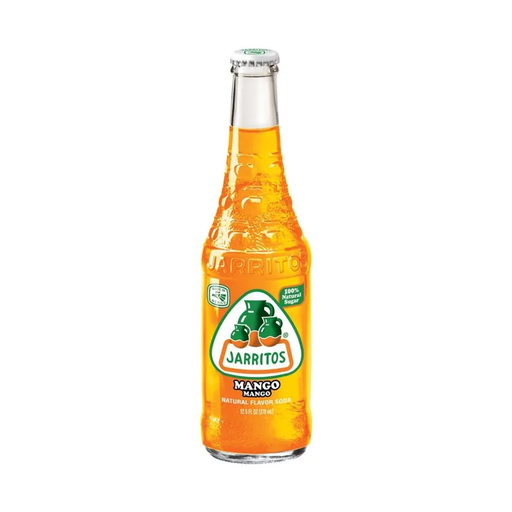
Why it suits this buyer: A single 370 ml bottle is an easy way to try a Mexican soft drink with mango flavour, without committing to a large tray.
The product information clearly lists the ingredients and volume, so you can assess the flavour and packaging before buying a larger stock.
370 ml per bottle; mango flavour; according to the product information, it contains no caffeine or fructose syrup.
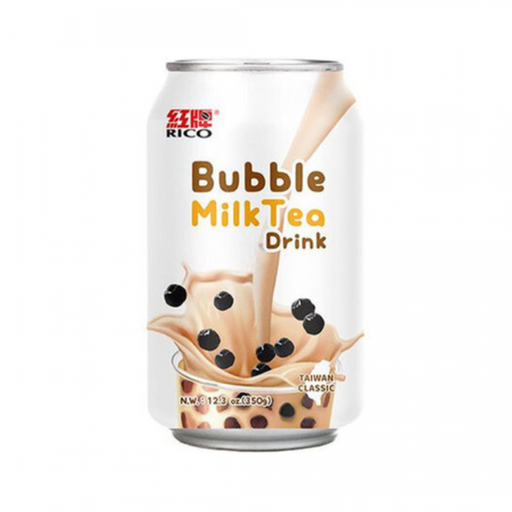
Why it suits this buyer: For bubble tea fans looking for a ready-to-drink option with black tea and tapioca pearls.
The ingredients include black tea extract, tapioca starch and milk powder, so it’s clear from the outset that this isn’t an ordinary fruit drink.
350 ml; black tea flavour; tapioca pearls; according to the product information, 40 kcal per 100 grams.

Why it suits this buyer: A tray of 12 cans is ideal for parties, office supplies and households that regularly serve tropical fruit drinks.
The pack size is clear upfront: 12 cans of 330 ml. The juice percentage and nutritional information per 100 ml are also listed.
30% passion fruit juice according to the product description; no added sugar; 17 kcal per 100 ml according to the nutritional information provided.
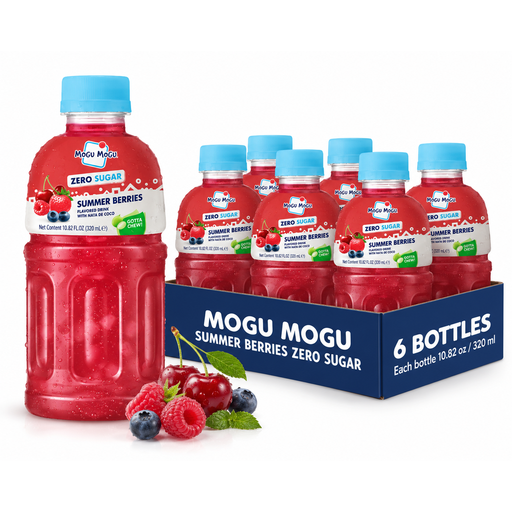
Why it suits this buyer: If you’re looking for a fruity drink with no sugar and enjoy a playful texture, this six-pack of handy bottles contains nata de coco.
The product description states both ‘zero sugar’ and the presence of sweeteners and 15% nata de coco, so the ingredients aren’t hidden behind the flavour name alone.
320 ml per bottle; six bottles; summery berry flavour; contains coconut according to the allergen information.
We’ve put together a complete, up-to-date list of products that meet these strict selection criteria and the applicable European safety requirements.
Look for multipacks and trays with a clearly stated serving size. Iam Superjuice Passionfruit comes in a pack of 12 × 330 ml. For larger groups, Fanta Orange and Fernandes Green Punch are also available in trays of 24 × 330 ml. You could combine several flavours so guests can choose between fruit drinks, fizzy soft drinks and a sugar-free option.
Check the nutritional information per 100 ml as well as the sweeteners in the ingredients list. ‘Zero sugar’ and ‘no added sugar’ don’t always describe the same ingredients. Also check for allergens and any warnings on the label.
Store unopened packs in a cool, dry place away from direct sunlight. Once opened, drinks should generally be kept in the fridge and consumed according to the instructions on the label. Always check the packaging, seal and best-before information when your order arrives.
