
Evening student with a supply of yoghurt
After class, you want to keep fresh yoghurt chilled and check that your fridge reaches 4 °C. The Netherlands Nutrition Centre recommends this temperature for refrigeration.


The Netherlands Nutrition Centre recommends keeping your fridge at 4 °C. Choose a fridge that you can set up where you plan to use it, then check the temperature there with a thermometer. A compact model may suit yoghurt and a few other chilled items, while extra groceries need more fridge space and take up more room. A thermoelectric cool box is only an option if you can measure 4 °C inside it in the conditions where you’ll actually use it.
After class, you want to keep fresh yoghurt chilled and check that your fridge reaches 4 °C. The Netherlands Nutrition Centre recommends this temperature for refrigeration.
You need space for a few chilled items, but you also need to find somewhere for the appliance. For example, Severin lists a net capacity of 45 litres for the KB 8877.
If you store food in the room where you sleep, both the stated noise level and the usable fridge space matter. Tomado and Inventum list noise levels for their individual tabletop models.
Start by checking the temperature the appliance can reach in its intended location. Then compare its fridge space with your packaging and the space available.
| What to consider | What to check before buying | Who is it most relevant for? |
|---|---|---|
| Storage temperature | Check whether you can set the temperature, then measure whether the fridge reaches 4 °C once it’s in place. | After an evening class, I want to keep yoghurt chilled and check the temperature myself. Around 36% of consumers prioritise a reliable storage temperature. |
| Usable space | Compare the net fridge capacity, layout, external dimensions and the space needed to open the door. | In a small room, the fridge needs to fit while still having room for the packaging you want to store. Around 29% of consumers prioritise suitable dimensions and fridge space. |
| Noise | Compare the stated noise level of the exact model with its fridge space and temperature control. | If I sleep next to the fridge, I want to take its noise level into account without losing sight of the available fridge space. Around 21% of consumers prioritise noise. |
| Annual energy use | Compare the stated annual energy consumption in kWh for the models that otherwise suit your needs. | If a fridge is running day and night, I want to take its annual energy consumption into account. Around 14% of consumers prioritise energy use. |
The stated cooling performance may depend on the ambient temperature. Tristar says the KB-7520 cools to 18 °C below the ambient temperature. This doesn’t confirm that the inside will stay at 4 °C in your room.
Before storing yoghurt in it, measure whether the inside reaches 4 °C in the conditions where you’ll actually use it.
A model with a freezer compartment divides its capacity between different sections. Tomado lists a total net capacity of 109 litres for the TRT5501W, including the freezer compartment.
Compare the fridge compartment’s capacity and layout with the packaging you want to store.
Severin describes the 5-litre compartment in the KB 8877 as a chill compartment. The name alone doesn’t mean it’s suitable for freezing food.
Check the specifications for the exact model before relying on a compartment to freeze anything.
The TRT5501W is a tabletop model with a freezer compartment. Tomado lists a total net capacity of 109 litres, making it a possible fit if you store other groceries as well as yoghurt.
Inventum lists a fridge capacity of 131 litres and a width of 55 cm for the KK550. This tabletop model may suit you if you’re mainly looking for fridge space.
Severin’s product sheet lists a net capacity of 45 litres and a separate 5-litre chill compartment for the KB 8877. It’s an option if you’re looking for a small fridge.
Tristar describes the KB-7520 as a 20-litre thermoelectric cool box for travel or mains use. That doesn’t automatically make it suitable as a fridge for fresh yoghurt.
This selection includes compact fridges for yoghurt and a few other chilled items, as well as a larger tabletop model for extra groceries.
 No image available
A compact option for yoghurt and a few other chilled items. Measure whether the fridge reaches 4 °C once it’s in place.
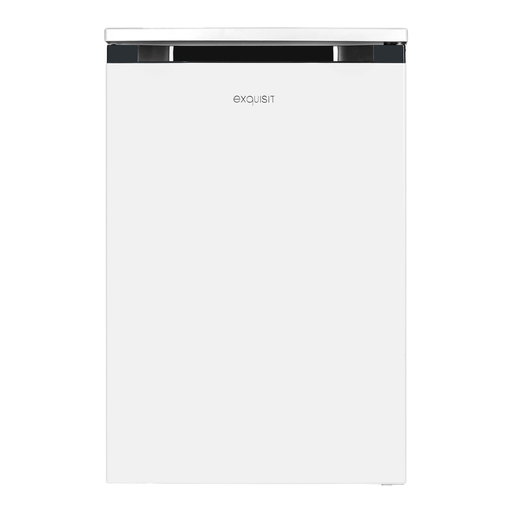
Stated capacity: 88 litres; dial temperature control; three adjustable glass shelves; 39 dB; 90 kWh per year; reversible door.
 No image available
A larger tabletop model if you want to store other groceries as well as yoghurt. Check the dimensions and measure the temperature once it’s in place.
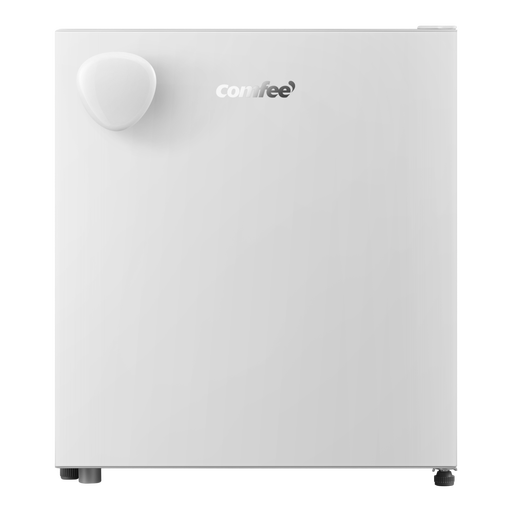
Stated fridge capacity: 107 litres; with freezer compartment; dial temperature control; 37 dB; 87 kWh per year. Dimensions: 84,50 × 54,90 × 55,70 cm.
 No image available
A compact option for yoghurt and a limited number of other items. Check the temperature where you’ll be using the appliance.
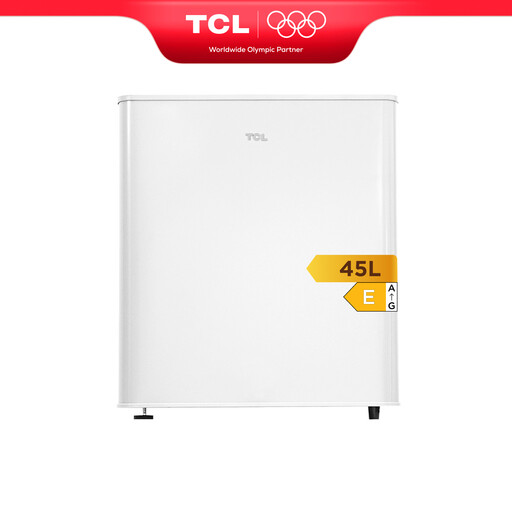
Stated capacity: 43 litres; width: 44,5 cm; three temperature settings; separate chill compartment; adjustable shelves; 110 kWh per year.
 No image available
A compact option for a few chilled items. The stated temperature range includes 4 °C, but measure whether it reaches that temperature where you’ll be using it.
The product title lists 45 L; the description states 42 litres of fridge space. Stated temperature range: 0–10 °C; mechanical control; one glass shelf; manual defrost; 40 dB. Dimensions: 449 × 485 × 512 mm.
 No image available
A compact option with room for yoghurt and other chilled items. Once it’s in place, use a thermometer to check whether the fridge reaches 4 °C.
Stated fridge capacity: 92 litres; product sheet lists 4 °C as the recommended setting for food storage and seven temperature settings; 39 dB; 85 kWh per year. Dimensions: 831 × 474 × 447 mm; adjustable shelves and reversible door.
Set the fridge to 4 °C and check the temperature with a fridge thermometer. The Netherlands Nutrition Centre recommends placing the thermometer in the middle of the bottom shelf and leaving it there for half a day or overnight. Adjust the setting if needed.
The Netherlands Nutrition Centre advises not leaving highly perishable food out of the fridge for more than 2 hours. After that, it recommends throwing it away; chilling it afterwards doesn’t undo the time it spent out of the fridge.
The Netherlands Nutrition Centre recommends keeping opened full-fat yoghurt in the fridge for 5–7 days. Keep your fridge at 4 °C, use a clean spoon and check the label for advice on a specific product.
When you buy a new appliance of the same type, the Dutch government says you can return your old fridge to the retailer. You can also take it to a collection point or your local council’s recycling centre.