
Workshop host with lots of ingredients
You want to arrange several sealed containers neatly and open the fridge easily during the session. Check that the shelves fit your containers and measure the temperature in practice.


A fridge is suitable for opened tofu if, once it is in place, you can check that the temperature matches the Netherlands Nutrition Centre’s advice: 4 °C. The Centre recommends keeping opened tofu chilled for no more than two days. A compact model may suit a few containers and limited space, while more ingredients call for enough usable shelf space. If the door is opened frequently, checking the temperature becomes even more important. Choose a freezer compartment only if you want to freeze leftover portions and the compartment is suitable for this.
You want to arrange several sealed containers neatly and open the fridge easily during the session. Check that the shelves fit your containers and measure the temperature in practice.
You store a few portions and have little floor or worktop space. Compare the fridge’s external dimensions with its usable internal space, and allow for the ventilation clearance it needs.
You use the fridge regularly or want to freeze leftover portions. Compare the stated annual energy consumption and check whether the freezer compartment in the exact model is suitable for freezing fresh food.
Start by checking the temperature the tofu actually reaches, then compare the space, positioning and features your workshop needs. The Netherlands Nutrition Centre recommends a fridge temperature of 4 °C and keeping opened tofu chilled for no more than two days. For a workshop that operates as a food business, the NVWA also specifies the storage temperature on the label. If this information is missing, the NVWA advises storing chilled food at 7 °C or below.
| Concern | What should you look for? | Who is this important for? |
|---|---|---|
| Chilling temperature and storage time | Once the fridge is in place, measure the temperature with a fridge thermometer. Check it again if the door is opened frequently during the workshop. Keep the tofu sealed and follow the relevant storage advice. | When I store opened tofu for a workshop, I want to be able to check how cold it is among the other ingredients. Around 36% of consumers put checkable refrigeration and storage time first. |
| Usable fridge space | Measure your containers and compare their height and footprint with the shelves, door opening and stated fridge capacity. | When I need several containers at once, I want to be able to reach them without spending ages looking for a space. Around 29% of consumers say that enough accessible space for ingredients is their main buying concern. |
| Positioning in the cooking area | Measure the space, the door swing and the clearance around the appliance, following the instructions for the model you choose. | If I only have a small space available, I want to know in advance whether the fridge will fit there with the door open and enough ventilation clearance. Around 21% of consumers put positioning a fridge for a few containers first. |
| Energy consumption and freezing | Compare the stated annual energy consumption in kWh for suitable models. If you want to freeze fresh leftovers, check the star rating of the exact freezer compartment; according to the Consumers’ Association, a four-star compartment is suitable for freezing fresh food. | If I use the fridge often or want to store leftover portions, I look at energy consumption and whether the freezer compartment is suitable. Around 14% of consumers make running costs or freezing their main buying concern. |
The set temperature does not prove how cold the tofu is among other ingredients, especially if the door is opened frequently.
Measure the temperature with a fridge thermometer in the place recommended by the Netherlands Nutrition Centre, then check it again while the fridge is in use.
A small freezer compartment is not automatically suitable for freezing fresh leftover portions. The Consumers’ Association says you need a four-star compartment for this.
Check the star rating of the exact model before using the compartment for fresh portions.
If the compartment is not suitable, you may still need a separate freezer that is.
A fridge with enough stated capacity can still be impractical if your containers do not fit on the shelves or the door cannot open properly.
Measure your containers, the available space and the door swing. Follow the instructions for the model you choose on ventilation clearance.
The KK471W we looked at is a slim fridge without a freezer compartment; the KV471W has a small freezer compartment.
The Rd 1400 we looked at is an under-counter model with no stated freezer compartment, for anyone looking for a compact appliance with fridge space.
The KSV33VWEP we looked at is a freestanding fridge without a freezer compartment, for workshops that need more shelf space.
The RK505 we looked at is a professional upright storage cabinet for larger stocks and frequent access.
The TSE1285N we looked at is a freestanding under-counter model with a stated fridge capacity of 101 litres.
This selection includes compact and larger household fridges and fridge-freezers for ingredients at a cookery workshop. Check that the internal space fits your containers and measure the temperature once the appliance is in place; a stated temperature range does not replace this check.
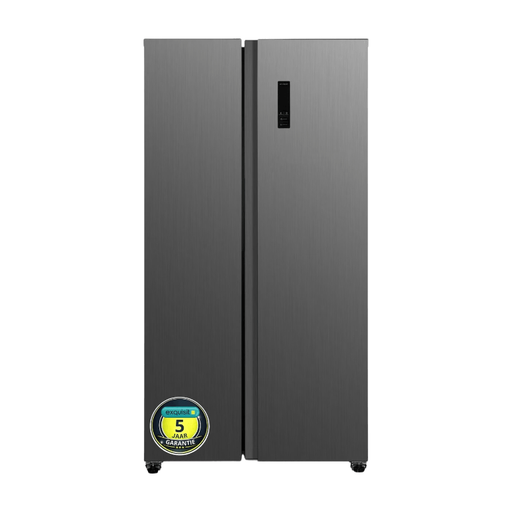 No image available
The stated fridge space may suit a workshop with several containers; measure beforehand to check that the appliance fits in the available space.
442 litres total capacity, including 291 litres of fridge space. The product information lists a four-star freezer and external dimensions of 177 × 91 × 59 cm.
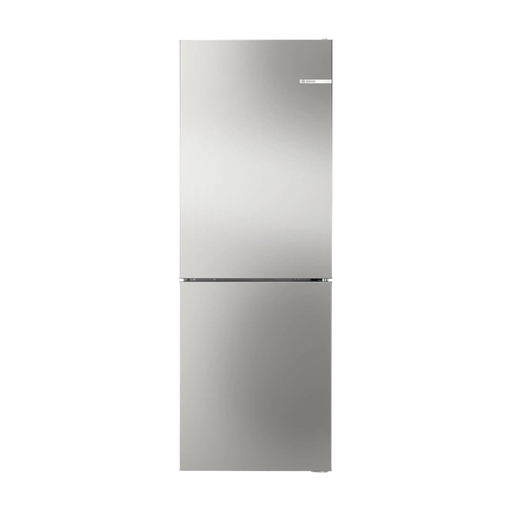 No image available
The stated total capacity may suit a workshop with a range of ingredients; check that there is enough fridge space for your containers.
308 litres total capacity. The product information lists a four-star freezer and separate temperature controls for the fridge and freezer.
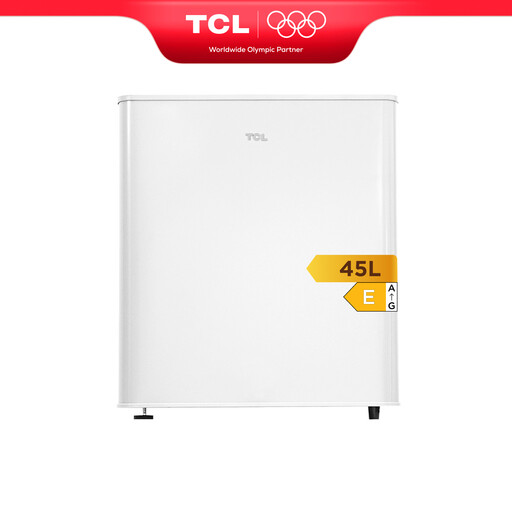 No image available
This compact size may suit you if space is limited and you only need to chill a few containers; compare the dimensions with the space available.
42 litres of fridge space and a separate 3-litre freezer compartment. The stated temperature range is 0–10 °C; external dimensions are 449 × 485 × 512 mm.
 No image available
The stated capacity and adjustable shelves may work well for sealed containers; check that the shelf layout suits your containers.
92 litres capacity, seven temperature settings and adjustable glass shelves. The stated width is 47 cm; the door is reversible. Energy class E.
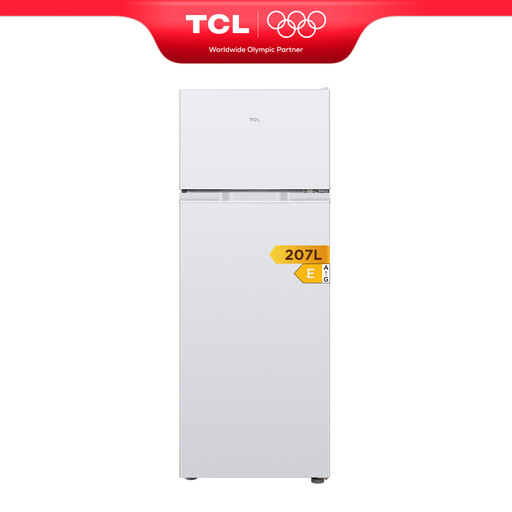 No image available
The stated fridge space may suit several workshop containers; measure the available space and check the layout before choosing a size.
207 litres total capacity, with 167 litres of fridge space and 40 litres of freezer space. The stated width is 55 cm; the model has adjustable shelves and feet. Energy class E.
The Netherlands Nutrition Centre recommends keeping opened tofu in the fridge for no more than two days. Keep it well sealed and put it back in the fridge promptly after use; a new fridge will not extend its storage time.
The Netherlands Nutrition Centre recommends setting your fridge to 4 °C. Measure the temperature with a fridge thermometer in the middle of the bottom shelf, then check it again if the fridge is opened frequently during the workshop. When positioning the appliance, also allow for the ventilation clearance specified in the instructions for your chosen model.
No, the word ‘workshop’ does not automatically mean they apply. According to the NVWA, a food business that prepares, processes or sells food must follow a food safety plan based on HACCP or an applicable hygiene code, and must register with the NVWA. For food businesses, the NVWA advises storing food at the temperature on the label; if this information is missing, chilled food must be kept at 7 °C or below. These business requirements do not automatically apply to every private workshop.