
Vandaag of morgen in huis

Kwaliteit gegarandeerd

Welkomstaanbiedingen ontgrendelen: GRATIS bezorging | Tot 80% korting | Gratis 30 dagen JoyPlus-proefperiode
Download de app
A cluttered fridge is more than just a source of annoyance. It leads to forgotten food, duplicate grocery trips, and ultimately, food waste. A good fridge organiser seems like a simple solution, but the market is flooded with products that cause more frustration than order. Before you invest in a set of fridge storage bins, it's crucial to understand the common pitfalls.
As a Joybuy Product Recommendation Officer, I'll help you see past the marketing fluff. We'll focus on what truly matters, ensuring you make a purchase you'll be happy with for years to come.
Many organisers look perfect online or in the store, but prove to be useless in practice. Watch out for these three common problems:
fridge organiser that's just a centimetre too deep will prevent the door from closing. A bin that's too narrow wastes precious space. Without measuring your fridge beforehand, the risk of a bad buy is high.To avoid the pitfalls mentioned above, focus on a few key specifications. These determine whether a kitchen organiser will do its job effectively.
Always check the type of plastic. The most suitable materials for fridge bins are:
A crucial label to look for is BPA-free. This means the plastic does not contain Bisphenol A, a chemical you want to keep away from your food. Transparent bins are preferable, as they allow you to see what's inside at a glance without having to pull everything out of the fridge.
Before you buy anything, measure carefully. Note the depth, width, and height of your fridge shelves. Be sure to account for any lips, lights, or other obstructions. A good fridge layout is achieved with stackable storage bins. These allow you to make the most of your vertical space, which makes a huge difference, especially in smaller fridges. Check that the bins stack stably and won't slide around.
Not every organiser is designed for the same purpose. Think about what you need to store:
fridge can holder to organise soft drinks or beer, or a narrow fridge drawer for cheese and cold cuts.Based on these criteria, we've selected a few products that suit different needs and households.
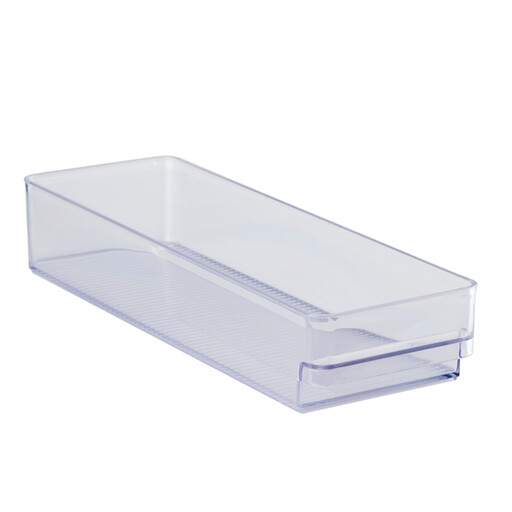
Why This Fits Their Persona: Perfect for anyone taking their first step into organising. This narrow bin is ideal for grouping small items like cheese slices, cold cuts, or small tubes without making a large initial investment.
Its compact and specific size avoids the 'wasted space' pitfall. It's designed to fit perfectly into those awkward, often unused gaps.
The transparent plastic provides an instant overview. Its narrow design makes it a versatile `fridge drawer` for various small products.
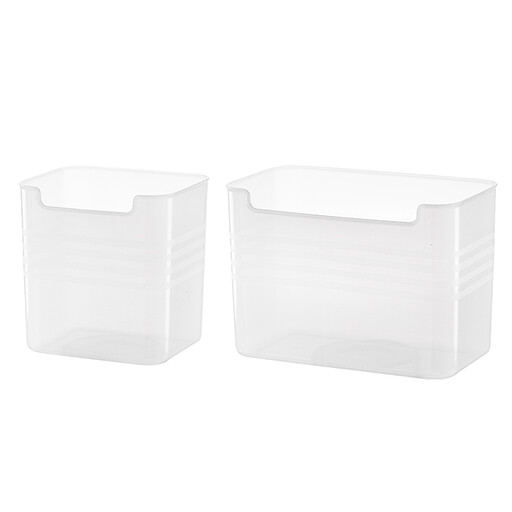
Why This Fits Their Persona: For those who prep meals, freshness is crucial. This set of two `fridge food containers` is designed with an airtight seal to prevent moisture loss and odour transfer.
This product tackles the 'clumsy design' pitfall. The airtight lid is functional, and the stackable, rectangular design efficiently maximises storage space.
Made from BPA-free, food-safe plastic (PP/PET). The airtight seal, which manufacturer Maxcook claims keeps contents fresh for longer, is a clear advantage.
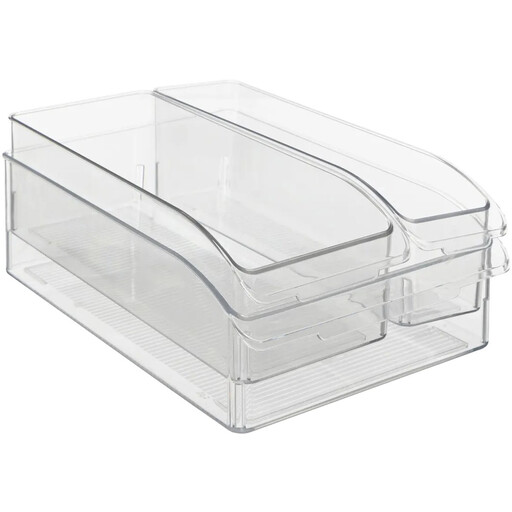
Why This Fits Their Persona: A family needs volume and ease of use. This set of three spacious bins offers the flexibility to store vegetables, fruit, and drink cartons. The handles make it easy for anyone to grab the bins.
This set is made from robust PET plastic, avoiding the pitfall of brittle materials. The integrated handles make the design highly practical in a full family fridge.
The set of 3 provides a complete solution right out of the box. The material is BPA-free, and the bins are large enough for the weekly grocery shop.
We have compiled a complete, up-to-date list of products that fully meet these strict selection criteria and local safety regulations.
Measure the internal depth, width, and height of each shelf. Don't forget to measure the space between one shelf and the bottom of the shelf above it. Account for any obstacles like a light, water filter, or protruding parts on the back wall. To be safe, subtract half a centimetre from your measurements for a little extra clearance.
Yes, as long as you choose the right material. Look for organisers made from PET or PP plastic and always check that they are BPA-free. These materials are specifically designed for food contact and do not leach harmful substances, even at low temperatures.
Always check the product information. Some organisers are dishwasher-safe (usually on the top rack), but many, especially those with special coatings or rubber seals, are best washed by hand. Use a soft sponge and mild, soapy warm water. Ensure the bins are completely dry before putting them back to prevent mould growth.
