
Cook with leftover soup
You want to keep sealed portions and other shopping chilled. The Voedingscentrum advises setting the fridge to 4 °C; also check that your soup containers fit between the shelves.


The right fridge depends mainly on how much soup and market shopping you want to keep chilled, and whether you also want to freeze portions. You could choose a compact model, a fridge without a freezer compartment or a fridge-freezer. The Voedingscentrum advises cooling cooked leftovers quickly, putting them in a sealed container in the fridge within two hours and setting the fridge to 4 °C. According to its guidance, leftovers can be kept in the fridge for up to two days. Then measure the space and compare the annual energy consumption of suitable models, as Milieu Centraal advises.
You want to keep sealed portions and other shopping chilled. The Voedingscentrum advises setting the fridge to 4 °C; also check that your soup containers fit between the shelves.
You make more soup than you can eat within two days, so you also need freezer space. The Voedingscentrum recommends keeping leftovers for up to two days in the fridge or three months in the freezer.
You want a fridge that fits the available space and has room for soup and market shopping. Measure the space where it will go and check access through the door, then compare the usable fridge and freezer capacity, as the Consumentenbond advises.
First decide whether you only need chilled storage or also want to freeze food. Then measure the available space and compare the annual energy consumption of models with a suitable capacity.
A good fit if: you have limited space and don’t need freezer space in this fridge.
Consider: check that sealed soup containers and everyday shopping will fit together. You’ll need another appliance for freezing.
A good fit if: chilled shopping and several soup containers are your priority, and you don’t want to freeze food in this fridge.
Consider: all the interior space is for chilling. Compare the external dimensions and annual energy consumption with a suitable fridge-freezer.
A good fit if: you want to freeze portions of soup or store frozen food as well as fresh shopping.
Consider: check the fridge and freezer capacities separately, and make sure the overall dimensions will fit. Freezer space takes up room that could otherwise be used for chilling.
| What to consider | What to look for when buying | Who should consider this? |
|---|---|---|
| Chilling soup safely and conveniently | Check whether you can set the fridge compartment to 4 °C and whether sealed containers will fit. The Voedingscentrum advises cooling leftovers quickly and putting them in the fridge within two hours. | If I want to keep several portions alongside my market shopping, I focus on a practical layout and the temperature setting. Around 33% of consumers make safe, convenient chilling their top priority. |
| Freezing soup | Check whether there’s a freezer compartment and how much space it offers; also see how much fridge space will be left. | If you won’t eat the portions within two days, you’ll want freezer space too. Around 27% of consumers prioritise being able to freeze leftover soup. |
| Suitable size and layout | Measure the space where the fridge will go and access through the door, then compare these with the external dimensions, fridge capacity and adjustable shelves. | If my kitchen has limited space, I want to know in advance whether the appliance and my containers will fit. Around 20% of consumers make placement and layout their top priority. |
| Energy use and noise | Compare the annual energy consumption in kWh on the energy label for models with a suitable capacity. If you have an open-plan kitchen, also check the stated noise level. | Once I know how much storage space I need, I also want to know the stated annual energy consumption and noise level. Around 20% of consumers prioritise running costs and noise. |
In a fridge-freezer, fridge and freezer space make up separate parts of the total capacity. So a large total capacity alone doesn’t tell you how much room there is for soup containers and shopping.
Compare the fridge compartment’s capacity in litres and the shelves. Also measure your containers and the space available for the appliance.
These features don’t change the advice for cooked leftovers: cool them quickly, store them in a sealed container and set the fridge compartment to 4 °C.
Choose features for convenience, but follow the Voedingscentrum’s storage advice for soup.
The stated annual energy consumption in kWh is also important when comparing energy use. The model should also offer the storage space you need.
First choose a suitable size, then compare the annual energy consumption on the energy label, as Milieu Centraal advises.
Inventum offers compact under-counter models and fridge-freezers, making it easy to compare options for different space and freezer needs.
Bosch offers fridges without a freezer compartment as well as fridge-freezers, making it a useful brand to consider if you’re still deciding between chilled storage alone and freezing too.
Beko offers fridge-freezers in a range of layouts, including models with the freezer compartment at the bottom.
Liebherr offers fridge-freezers with a range of capacities and features, depending on the model.
These product picks focus mainly on fridge-freezers, with a compact fridge also included for anyone who only needs chilled storage.
 No image available
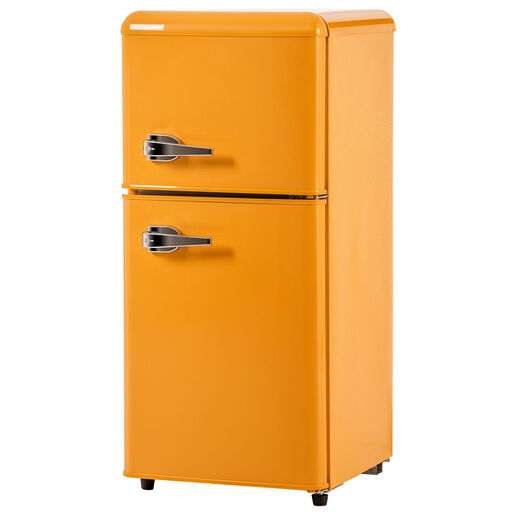
The stated total capacity is 60 L, including 22 L of freezer space. Bear in mind that the overall space for soup and other shopping is limited.
102 kWh/year; energy class E.
 No image available
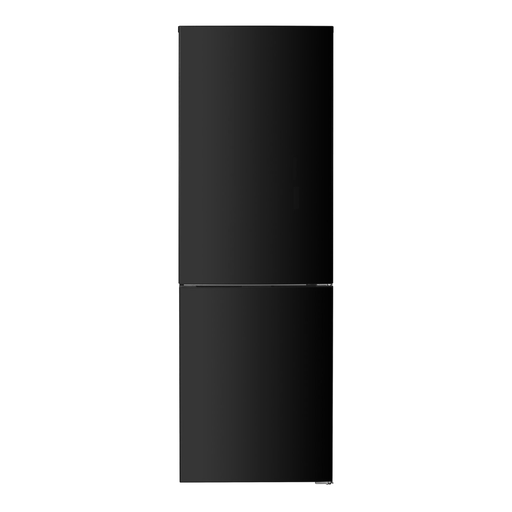
A fridge-freezer for anyone who wants chilled shopping and freezer space in one appliance. Check that the total capacity will suit your containers and food supplies.
Total capacity 293 L; No Frost; energy class E; black.
 No image available
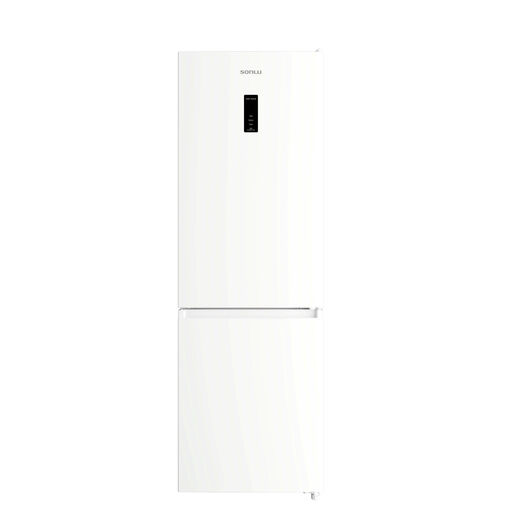
The stated capacity is split between the fridge and freezer compartments, so you can chill shopping and freeze portions too.
310 L total; 211 L fridge capacity and 99 L freezer capacity; 60 cm wide; reversible door; energy class E.
 No image available
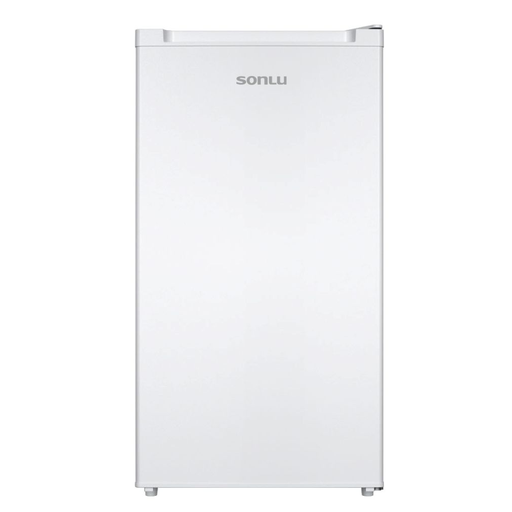
This compact fridge has no freezer compartment. Choose it only if you have another appliance for freezing or don’t need to freeze food.
Single-door model; energy class E.
 No image available
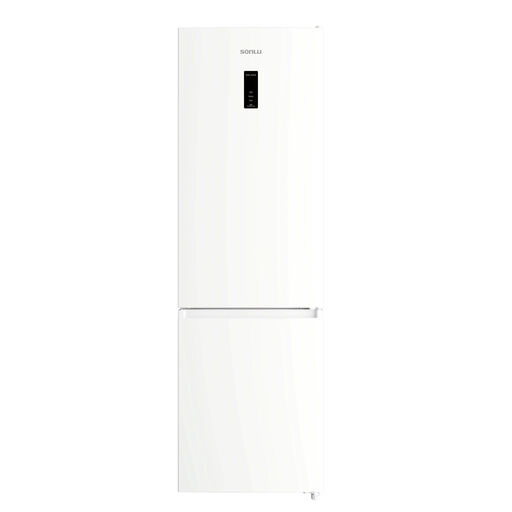
With separate fridge and freezer compartments, this model is designed for anyone who wants to chill shopping and store portions for later.
355 L total; 252 L fridge capacity and 103 L freezer capacity; 60 cm wide; No Frost; reversible door; energy class E.
The Voedingscentrum advises keeping leftovers in the fridge for no more than two days and setting the fridge to 4 °C. Cool the soup quickly, put it away in a well-sealed container and don’t leave leftovers out of the fridge for more than two hours.
Let the soup cool quickly first, then put it in the fridge or freezer within two hours. Store portions in well-sealed containers and keep them separate from raw food; a super-cooling function doesn’t change this storage advice.
Compare the stated annual energy consumption in kWh for models with a suitable capacity. To work out the cost for you, multiply the number of kWh by your own price per kWh. The result depends on your tariff and actual usage.
Yes. According to ACM ConsuWijzer, in addition to any manufacturer’s guarantee, you have a statutory guarantee if the product doesn’t perform as you could reasonably expect under normal use. The seller is responsible for this; don’t assume there’s one fixed statutory guarantee period for every fridge.
EU energy labelling rules apply to the relevant refrigeration appliances and require the label to be shown at the point of sale, including online. If a private customer buys a new, similar appliance, the shop must, according to the Rijksoverheid, take the old appliance back free of charge under the like-for-like scheme. Arrange the handover when your new appliance is delivered.