
Families who often have soup left over
You want to store sealed portions alongside your everyday groceries and check the fridge temperature. The Netherlands Nutrition Centre recommends keeping your fridge at 4 °C.


A fridge is suitable for leftover soup if you can fit sealed containers on a shelf alongside your usual family shop. Choose freezer space too if you want to keep portions for more than two days. The Netherlands Nutrition Centre advises keeping leftovers covered in the fridge for no more than two days and setting the fridge to 4 °C. Check the actual temperature with a fridge thermometer.
You want to store sealed portions alongside your everyday groceries and check the fridge temperature. The Netherlands Nutrition Centre recommends keeping your fridge at 4 °C.
You want to keep portions of soup for longer than the recommended time in the fridge, so you also compare the freezer space available. The Netherlands Nutrition Centre advises keeping leftovers chilled for no more than two days and freezing them if you want to keep them for longer.
You need a fridge that fits the space available without overlooking the room needed for soup containers and everyday groceries. The Dutch Consumers’ Association highlights choices such as freestanding or integrated models, and different sizes.
Start by checking the space available and the usable shelf area. Then decide whether you also want to freeze portions and compare the energy use of suitable models.
| What to consider | What to look for | Who is this most important for? |
|---|---|---|
| Temperature you can check | The Netherlands Nutrition Centre recommends 4 °C; check the temperature with a fridge thermometer. | If I want to know whether the fridge is actually cold enough for sealed leftovers, I check the measured temperature. Around 36% of consumers prioritise being able to check the temperature. |
| Room for containers | Compare the fridge capacity, shelf height and external dimensions; the total capacity of a fridge-freezer also includes the freezer. | I want to fit soup containers alongside the usual family shop, so I look at the usable shelf space. Around 29% of consumers give space for portions and groceries top priority. |
| Freezing portions for later | The Netherlands Nutrition Centre recommends freezing leftovers if you want to keep them for longer than two days; compare the separate freezer capacity. | If I won’t eat the portions within two days, I want to be able to freeze them for later. Around 21% of consumers prioritise this option. |
| Energy use | Compare the annual energy use in kWh on the EU energy label of models that fit your space and layout requirements. | Once the size and storage space suit my household, I also want to compare the stated annual energy use. Around 14% of consumers give energy use top priority. |
A fridge-freezer’s total capacity includes both the fridge and freezer. Freezer space isn’t suitable for chilled soup containers.
Compare the separate fridge capacity, and measure your containers and the available shelf height.
The Netherlands Nutrition Centre advises cooling hot leftovers quickly first. Let your soup cool before putting the containers in the fridge.
Cool the soup quickly, for example in a cold-water bath, and put it in the fridge covered within two hours.
As well as the rating, the EU energy label shows the annual energy use in kWh.
Compare energy use across models that suit you in terms of size and fridge and freezer capacity.
External dimensions and ventilation requirements vary by model. Checking that the width fits doesn’t necessarily mean the appliance will fit properly in the space you’ve chosen.
Measure the space available and check the installation instructions for the exact model, especially if you’re choosing an integrated appliance.
The KGN36VLCK is a freestanding fridge-freezer with separate stated capacities for the fridge and freezer.
The KV1841B is a freestanding fridge-freezer with No-Frost in the freezer compartment.
The Ke 2834 Comfort is a fridge with a small integrated freezer compartment.
The RCHE300K40SN is a freestanding fridge-freezer with the freezer at the bottom.
These Joybuy products include fridge-freezers and a side-by-side fridge-freezer for anyone who wants to keep leftover soup chilled and is also considering extra freezer space.
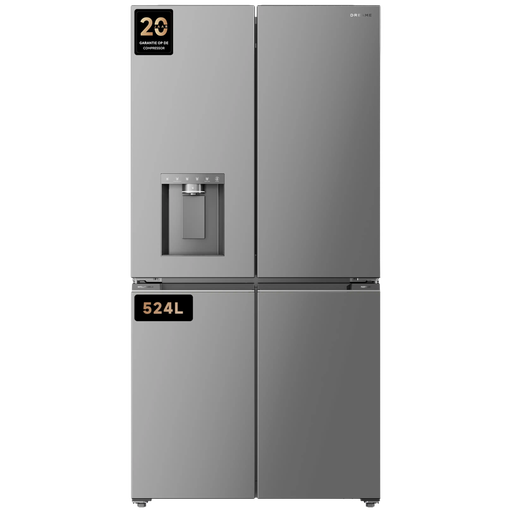 No image available
Suitable if you want to store chilled soup portions separately from everyday groceries and portions for later.
The stated capacity is 308 l for the fridge and 203 l for the freezer. The product also features a 13 l FreshFlex compartment and No Frost.
Freestanding model measuring 91.1 × 69.3 × 183 cm; check that you have enough space.
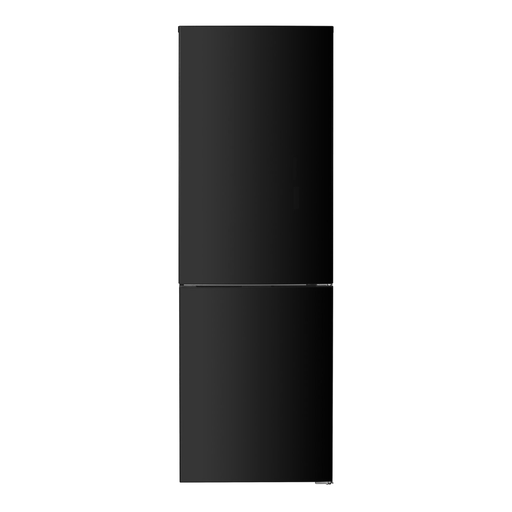 No image available
An option for keeping sealed soup chilled and freezing portions separately.
The stated capacity is 210 l for the fridge and 83 l for the freezer. The product has No-Frost and an E energy rating; its stated total capacity is 293 l.
The product description lists four shelves.
 No image available
The adjustable shelves may be useful if you need to make room for soup containers and other groceries.
The stated capacity is 187 l for the fridge and 73 l for the freezer. The model is 55 cm wide and has an E energy rating.
The product details specify manual defrosting.
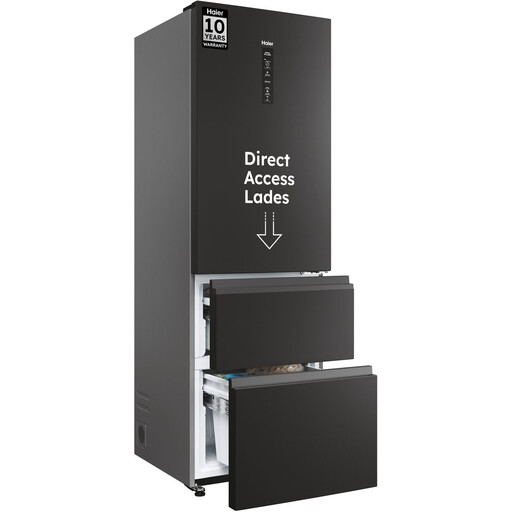 No image available
An option if you want to store chilled soup containers and portions for later in separate compartments.
The stated capacity is 235 l for the fridge and 125 l for the freezer. The model has Total No Frost and three adjustable shelves.
Freestanding model measuring 59.5 × 185 × 66.7 cm; check the space available.
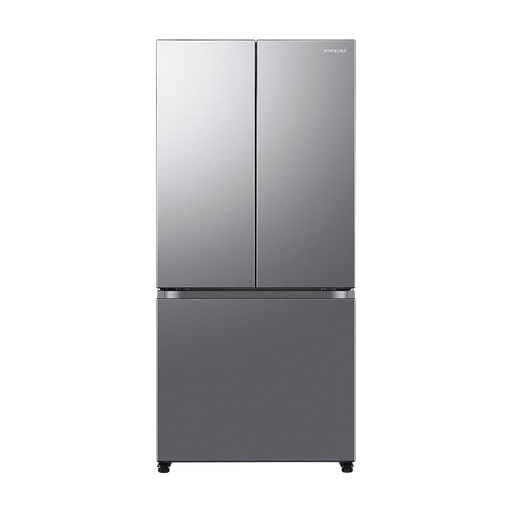 No image available
The stated fridge capacity can help you work out whether there’s room for soup containers alongside other chilled groceries.
The product details list a fridge capacity of 331 l and two adjustable fridge shelves.
The external dimensions are 81.7 × 177.6 × 71.5 cm; check that the appliance will fit in your kitchen and that the freezer layout suits your needs.
The Netherlands Nutrition Centre advises keeping leftovers covered in the fridge for no more than two days. Cool the soup quickly and refrigerate it within two hours; set your fridge to 4 °C. Freeze portions if you want to keep them for longer.
Use a fridge thermometer. The Netherlands Nutrition Centre recommends placing it in the middle of the bottom shelf and leaving it there for half a day or overnight. Check the temperature and adjust the fridge if it’s above 4 °C.
Cool the soup quickly, for example by placing the pan in cold water, and don’t leave cooked food out of the fridge for more than two hours. The Netherlands Nutrition Centre advises reheating leftovers until they’re piping hot all the way through, stirring as they heat.
The EU energy label shows the energy rating and annual energy use in kWh. Compare these details for models with fridge and freezer capacities that suit your needs. You’ll also need your electricity tariff to work out your own energy costs.