
A family with leftover pasta regularly
Needs to keep sealed containers chilled alongside the weekly shop. The Netherlands Nutrition Centre advises cooling cooked pasta quickly and eating it within two days.


For a family that regularly stores cooked pasta, the first thing to consider is having enough usable fridge space for sealed containers. A fridge-freezer is especially useful if you also want to freeze portions and don’t have a separate freezer. Compare the fridge and freezer capacities separately, and measure the available space. The Netherlands Nutrition Centre advises cooling cooked pasta quickly, storing it at 4 °C and eating it within two days.
Needs to keep sealed containers chilled alongside the weekly shop. The Netherlands Nutrition Centre advises cooling cooked pasta quickly and eating it within two days.
Needs space for several meal portions and may want to freeze some if they won’t be eaten within two days. The Netherlands Nutrition Centre recommends 4 °C as the ideal fridge temperature and −18 °C for the freezer.
Needs to weigh up the external dimensions, usable layout and annual energy consumption. Milieu Centraal recommends choosing a size that suits the space you need; the Consumers’ Association points out that the stated capacity is not the same as the space between drawers and shelves.
A good fit if: you eat the pasta within two days or already have a separate freezer.
Consider: you can’t freeze portions in this appliance.
A good fit if: you want to freeze portions and don’t have a separate freezer.
Consider: the total capacity includes the freezer compartment, so compare the two compartments separately.
A good fit if: containers and your usual family shop won’t fit in a smaller, suitable model.
Consider: an unnecessarily large appliance may use more energy. Check its dimensions and annual kWh consumption.
| What to consider | What to look for when buying | Who is this important for? |
|---|---|---|
| Cooling and storing food safely | Check whether you can set and monitor the temperature. Make sure the shelves have room for your sealed containers. | When I store leftovers, I want to be able to cool them quickly and put them away in a sealed container. Safe storage is the top priority for around 36% of consumers. |
| Fridge space for portions | Compare the fridge compartment’s capacity separately, and measure the space between the shelves using your own containers. | I want to fit several family portions alongside the everyday shop. Usable fridge space comes first for around 29% of consumers. |
| Annual energy consumption | Compare the annual kWh consumption of models with suitable fridge space; also check the fridge and freezer capacities separately. | When choosing an appliance that runs all the time, I want to take its annual energy consumption into account. This is the top priority for around 21% of consumers. |
| Suitable size and installation | Measure the available space, access route and doorway. Check the exact model’s external dimensions and installation instructions. | My kitchen is short on space, so the appliance needs to fit and be practical to open. Installation is the main consideration for around 14% of consumers. |
With a fridge-freezer, the total capacity includes the freezer. Drawers and shelves also take up space.
Compare the fridge capacity separately and check that the space between the shelves suits your containers.
NoFrost relates to ice build-up in the freezer compartment; it doesn’t change the storage advice for cooked pasta.
Choose extra features for their intended purpose, and cool leftovers quickly, store them at 4 °C and eat them within two days.
The letter alone doesn’t tell you how much energy an appliance uses each year. Its size and annual kWh consumption provide more information.
Compare the annual energy consumption of models with usable space that suits your family.
Offers fridge-freezers such as the freestanding KGN39VLCK. For this model, check the fridge and freezer capacities separately, as well as the external dimensions.
The RB34C600CSA/EF is a fridge-freezer worth including when comparing stated capacity and layout.
The freestanding KV1808B is worth considering if width is a factor and you also want a freezer compartment.
The freestanding CNsfd 5204 Pure NoFrost is a model to consider when comparing external dimensions, noise and fridge and freezer capacities separately.
These Joybuy fridge-freezers are options for families who want to store sealed containers of pasta alongside their usual shopping and may also want to freeze portions. Compare the capacity of both compartments and the available kitchen space with your own needs.
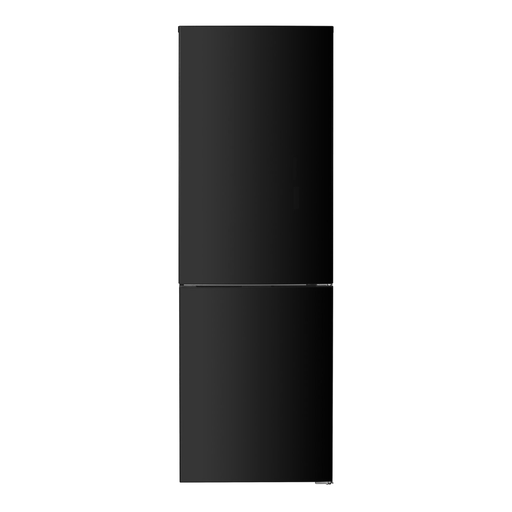 No image available
An option to consider when weighing up fridge space for containers against a separate freezer compartment for portions you want to freeze.
Fridge capacity: 210 l; freezer capacity: 83 l; total capacity: 293 l; energy class E; No-Frost.
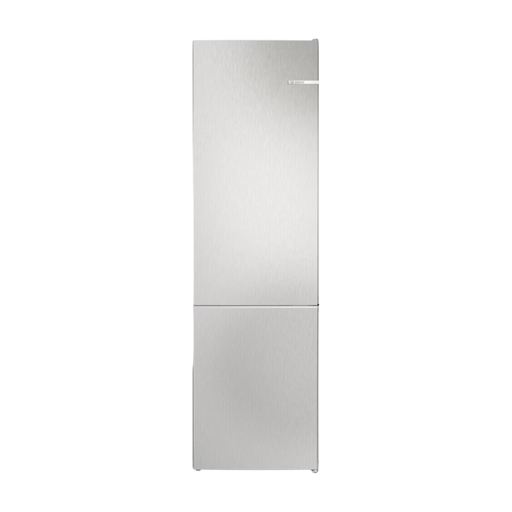
 No image available
The separately stated fridge and freezer capacities make it easier to assess space for containers alongside the freezer space you need.
Fridge capacity: 187 l; freezer capacity: 73 l; total capacity: 260 l; width: 55 cm; fridge temperature: 2–8 °C; energy class E. Adjustable shelves and reversible door.
 No image available
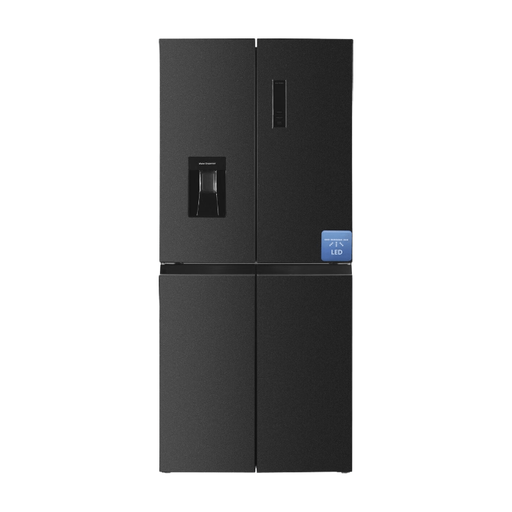
The separate capacities give you a starting point for checking whether the fridge compartment has room for your meal portions and shopping.
Fridge capacity: 260 l; freezer capacity: 103 l; No Frost.
 No image available
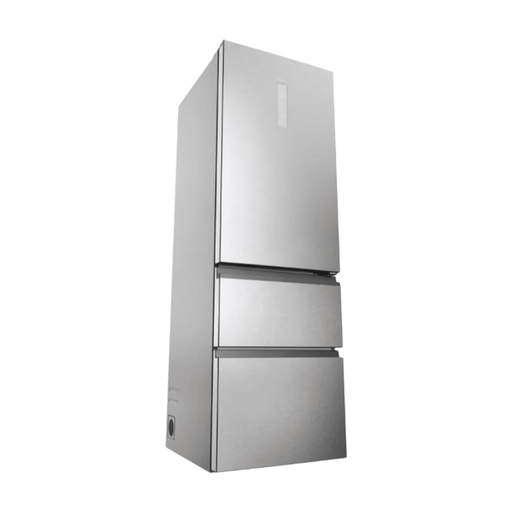
The stated fridge capacity and adjustable shelves are useful when working out how to arrange your containers and everyday shopping.
Fridge capacity: 269 l; freezer capacity: 150 l. Three adjustable fridge shelves and six freezer drawers. Reversible door.
 No image available
Compare the fridge and freezer capacities separately with the number of portions and amount of shopping you need to store.
Fridge capacity: 235 l; freezer capacity: 125 l; total capacity: 360 l; annual energy consumption: 173 kWh. Four glass shelves, three of which are adjustable.
The Netherlands Nutrition Centre advises eating cooked pasta within two days. Cool leftovers quickly, store them in a well-sealed container and keep them at 4 °C if possible. Don’t leave them out of the fridge for more than two hours. The Netherlands Nutrition Centre suggests freezing as an alternative if you want to keep them for later.
The Netherlands Nutrition Centre recommends 4 °C as the ideal fridge temperature and −18 °C for the freezer. For prepared meals, it advises heating food until it is piping hot all the way through before serving. Reheating doesn’t replace proper cooling and storage.
Compare the annual kWh consumption on the energy label for models with fridge and freezer space that suit your needs. Also check the capacity of both compartments separately, so you don’t end up with an appliance that takes up more space and uses more energy than necessary.
EU energy labelling rules apply to household fridges. According to ACM ConsuWijzer, there is no fixed general two-year period for the statutory guarantee in the Netherlands; what you can expect depends on factors including the product and normal use. The Dutch government says that when you buy a new appliance, the retailer must take back an old, similar appliance.